

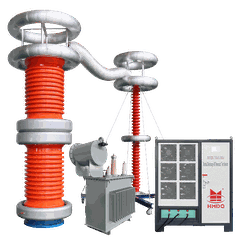

Hey there! I'm a supplier of Current Injection Temperature Testers, and today I wanna chat about whether a Current Injection Temperature Tester can be used for medical device temperature testing.
First off, let's understand what a Current Injection Temperature Tester is. A Current Injection Temperature Tester is a piece of equipment that's mainly used in electrical testing scenarios. It works by injecting a specific current into a circuit or a device and then measuring the temperature changes that occur as a result of the electrical flow. This helps in assessing the performance and safety of electrical components, such as switches, relays, and connectors.
Medical device temperature testing, on the other hand, has its own unique requirements. Medical devices are used in a variety of settings, from hospitals to home care. The temperature of these devices can have a significant impact on their functionality and the safety of patients. For example, in some cases, a medical device might need to maintain a very specific temperature range to ensure accurate test results or proper operation.
So, can our Current Injection Temperature Tester be used for this kind of medical device testing? Well, it depends on a few factors.


Compatibility with Medical Device Materials
Medical devices are often made from a wide range of materials, including plastics, metals, and polymers. These materials can have different electrical and thermal properties compared to the typical electrical components that our testers are used to dealing with.
Some medical device materials might be sensitive to the current injection process. For instance, a plastic component could melt or deform if too much current is applied. Our Current Injection Temperature Tester needs to be able to work within the safe current and temperature limits of these materials.
Accuracy Requirements
Medical device temperature testing usually requires a high level of accuracy. Even a small deviation in temperature measurement can lead to incorrect diagnoses or ineffective treatment.
Our testers are designed to provide accurate temperature readings in electrical testing. However, the accuracy requirements for medical devices might be even more stringent. We need to make sure that our Current Injection Temperature Tester can meet these high - precision needs. For example, some medical devices might require temperature measurements accurate to within a fraction of a degree Celsius.
Safety Standards
Medical devices are subject to strict safety standards set by regulatory bodies. These standards are in place to protect patients from harm.
When using a Current Injection Temperature Tester for medical device testing, we need to ensure that the testing process itself doesn't pose any risks to the device or the patient. This means that the tester should not introduce any electrical interference or other hazards that could affect the medical device's operation.
Advantages of Using Our Tester
Despite these challenges, there are also some advantages to using our Current Injection Temperature Tester for medical device testing.
Real - Time Monitoring
Our tester can provide real - time temperature data as the current is being injected. This is useful for medical device manufacturers who want to understand how the device behaves under different electrical loads. For example, during the development of a new medical device, real - time temperature monitoring can help engineers identify potential hotspots and make design improvements.
Versatility
Our Current Injection Temperature Tester is a versatile tool. It can be adjusted to inject different levels of current, which allows for a wide range of testing scenarios. This means that it can be used to test various types of medical devices, from small handheld diagnostic tools to large imaging equipment.
Let's take a look at some of our related products. The 7500A Primary Current Injection Test Set is a powerful option. It can provide a high level of current injection, which might be useful for testing larger medical devices or those with higher power requirements.
The 3000A Split Current Tester is another great choice. Its split - current design makes it easy to install and use, especially in situations where it's difficult to access the device being tested.
Case Studies
To better illustrate the potential of using our Current Injection Temperature Tester for medical device testing, let's look at a couple of case studies.
Case Study 1: Testing a Blood Glucose Meter
A medical device manufacturer was developing a new blood glucose meter. They wanted to ensure that the meter's temperature remained stable during operation to provide accurate readings.
Our Current Injection Temperature Tester was used to simulate the electrical load that the meter would experience during normal use. By injecting a controlled current and monitoring the temperature, the manufacturer was able to identify a small component in the meter that was generating more heat than expected. They were then able to make design changes to improve the meter's thermal performance.
Case Study 2: Testing an MRI Machine
An MRI machine is a large and complex medical device that requires precise temperature control. Our tester was used to test the electrical components of the MRI machine's power supply.
By injecting different levels of current and measuring the temperature changes, the technicians were able to determine the optimal operating conditions for the power supply. This helped in reducing the risk of overheating and improving the overall reliability of the MRI machine.
Conclusion
In conclusion, while there are some challenges in using our Current Injection Temperature Tester for medical device temperature testing, there are also many potential benefits. With proper calibration, adjustment, and consideration of the specific requirements of medical devices, our testers can be a valuable tool in the medical device testing process.
If you're involved in medical device manufacturing or testing and are interested in learning more about how our Current Injection Temperature Tester can meet your needs, I'd love to have a chat with you. Whether it's discussing the technical details, customizing the tester for your specific requirements, or getting a quote, don't hesitate to reach out. Let's work together to ensure the safety and performance of medical devices.
References
- Standards for medical device testing from relevant regulatory bodies.
- Technical specifications of our Current Injection Temperature Tester, 7500A Primary Current Injection Test Set, and 3000A Split Current Tester.
- Case study reports from medical device manufacturers who have used our testing equipment.