



SF6 Gas Testing Instrument
A Excellent Manufacturer of SF6 Gas Testing Equipment
Our company has specialized in the production and manufacturing of high-voltage testing equipment for 20 years, with a modern intelligent factory covering an area of over 10000 square meters, staffed by 51 professional technicians, and hold CE certification. 35 patents, 10+ software copyrights,Currently, we have over 150 stable distributors worldwide and established more than 10 service offices overseas.
SF6 Gas Testing Equipment refers to a suite of specialized instruments used to analyze the quality, purity, and decomposition byproducts of Sulfur Hexafluoride (SF6) gas within high-voltage electrical equipment.
Its primary purpose is to ensure the safety, reliability, and efficiency of electrical substations and switchgear by verifying the integrity of the insulating gas.


Why is this Testing Necessary?
SF6 is an excellent insulating and arc-quenching gas used in circuit breakers, switchgear, and transformers. However, two main issues can compromise its performance:

Gas Degradation
Under electrical faults (like arcs and sparks), SF6 gas decomposes, creating toxic and corrosive byproducts (e.g., SO2, HF, SOF2).

Moisture Ingress
Even small amounts of water vapor (moisture) inside the equipment can drastically reduce its insulating strength and promote corrosion.

The core principle of an SF6 testing instrument is to analyze the chemical and physical properties of the gas sample to determine its quality, purity, and the presence of critical contaminants.
Here is an introduction to the core parts and the principles they use:
Function:To safely,accurately, and consistently bring a representative sample of the SF6 gas from the electrical equipment into the instrument's sensors.
Key Components & Principle:
- Regulated Flow Path:Includes valves, pressure regulators, and a flow meter. It ensures a slow, steady, and controlled flow of gas to protect the sensitive internal sensors from pressure spikes.
- Filters:Remove particulate matter and oil mist from the sample to prevent contamination and damage to the sensors.
- Principle:Accurate testing is impossible without a proper sample. This system is the "front door" and must provide a clean, stable gas stream for analysis.
Function:To measure the percentage of pure SF6 gas in the sample, detecting air (N₂, O₂) contamination.
Principle:
- Thermal Conductivity: Different gases have different abilities to conduct heat. SF6 has a very low thermal conductivity compared to nitrogen and oxygen (the main components of air).
- The Sensor: Contains a heated element in a chamber where the sample gas flows.
- The Measurement: If the gas is pure SF6, it draws heat away from the element slowly. If air is present, its higher thermal conductivity draws heat away faster, cooling the element.
- The Output: This temperature change alters the electrical resistance of the element. The instrument measures this resistance change and calculates the %SF6 Purity.
Function:To measure the concentration of water vapor (humidity) in the gas, critical for preventing corrosion and maintaining dielectric strength.
Principle:
- Capacitive / Dielectric Constant:The most common modern method uses a thin-film aluminum oxide or polymer capacitive sensor.
- The Sensor:The sensor acts as a capacitor. Its dielectric (insulating) layer is hygroscopic—it absorbs water molecules.
- The Measurement: As water molecules are absorbed, the dielectric constant of the layer changes, which directly changes the capacitance of the sensor.
- The Output:The instrument measures this capacitance change, which is directly proportional to the number of water molecules present. It converts this into a reading of Dew Point (°C) or ppm (v/v)
Function:To detect and quantify toxic and corrosive gases created when SF6 breaks down due to electrical arcing (e.g., SO₂, H₂S, CO, HF).
Principle:
- Electrochemical Reaction:The instrument uses specific cells (sensors) tuned to target individual gases.
- The Sensor: A target gas (e.g., SO₂) diffuses through a membrane into an electrolyte solution inside the cell.
- The Measurement:A chemical reaction occurs at the electrodes, generating a minute electrical current.
- The Output:The magnitude of this current is directly proportional to the concentration of the target gas. The instrument measures this current and displays the reading in parts per million (ppm).
Function:To control the entire measurement process, process raw sensor data, and present actionable results to the user.
Principle:
- It regulates pump speed, flow, and valve operation.
- It reads the raw electrical signals (changes in resistance, capacitance, current) from all the sensors.
- It uses complex calibration curves and algorithms to convert these raw signals into meaningful engineering units (%, ppm, °C).
- It compares results against pre-programmed international standards (like IEC 60376, IEC 60480) to provide a Pass/Warn/Fail assessment.
- It stores data, generates reports, and manages the user interface.
Key Parameters Measured by SF6 Testing Equipment
This equipment typically tests for several critical parameters:
|
Parameter |
What it Measures |
Why it's Important |
|
Gas Purify(%SF6) |
The concentration of pure SF6 gas in the compartment. |
Low purity (often due to air ingress) means poor insulation, increasing the risk of failure. |
|
Moisture Content (Dew Point) |
The concentration of water vapor (H₂O) in the gas. |
Moisture causes corrosion, reduces dielectric strength, and reacts with decomposition byproducts to form acids. |
|
Decomposition Byproducts |
The concentration of toxic gases created during electrical arcing. |
High levels indicate recent internal fault activity and the presence of corrosive, hazardous compounds. |
|
Leak Detection |
The escape of SF6 gas from the equipment into the atmosphe |
SF6 is a potent greenhouse gas. Finding and fixing leaks is an environmental and economic necessity. |
Parameter Table of SF6 Testing Instrument

[SF6 gas decomposition product detection module]
|
Measurement scope |
[SO2]0~100 µl/l, [H2S]0~100 µl/l, [CO]0~1000 µl/l |
|
Precision |
SO2, H2S: ±0.5µl/l if measurement value ≤10 µl/l; ±5% if measurement value >10 µl/l CO: ±2.0 if measurement value ≤50 µl/l ±4% if measurement value >50 µl/l |
|
Repeatability |
SO2, H2S: ±0.2 µl/l if measurement value ≤10 µl/l; ±2% if measurement value >10 µl/l CO: ±1.5 µl/l if measurement value ≤50 µl/l; ±3% if measurement value >50 µl/l |
|
Resolution |
SO2, H2S, CO: 0.1 µl/l |
|
Response time |
≤30s |
[SF6 purity detection module]
|
Measurement scope |
0~100% |
|
Precision |
≤±0.5% (90~100%:≤±0.2%) |
|
Repeatability |
≤±0.2% |
|
Resolution |
0.01% |
|
Response time |
≤30S |
[SF6 humidity detection module]
|
Dew point range |
-80℃~+20℃ |
|
Measurement accuracy |
±0.5℃ |
|
Micro-water scope |
0.05~23100 μL/L |
|
Measurement response time (+20℃) |
-60℃ →20℃ 5S[10s] 20 ℃→-60℃ 10S[300S] |
|
Resolution |
Dew point: 0.1℃ Micro-water: 0.1ppm (100ppm~1000ppm) 0.01ppm(10ppm~100ppm) |
|
Repetition: |
±0.2℃ |
Flow regulation 1: 0.2L/min; Flow regulation: 2:0.5-0.6L/min
[ Parameters of whole machine]
|
Charging source |
100V~240VAC±10% 50HZ/60Hz |
|
Battery |
Lithium battery 12V 17.5AH |
|
Service time |
>10h |
|
Display screen |
7-inch color touch screen |
|
Sample gas pressure |
≤1.0Mpa |
|
Size |
467×372×177mm |
|
Weight |
About 8.5kg |
The Key Features of SF6 Testing Instruments
1. Multifunctional Testing Capabilities
Modern devices are often all-in-one analyzers that can measure several key parameters simultaneously from a single gas sample:
- Gas Purity (% SF6):Detects air contamination.
- Moisture Content (Dew Point & ppmv): Measures water vapor to prevent corrosion.
- Decomposition Byproducts (SO₂, H₂S, CO, HF): Quantifies toxic gases created by internal electrical faults.
- Dielectric Strength: Some advanced models can estimate the insulating capability of the gas mixture.
2. Advanced Sensor Technology
- High-Accuracy Sensors: Utilize capacitive(for moisture), thermal conductivity(for purity), and electrochemical (for decomposition) sensors for precise measurements.
- Long-Lasting & Stable Sensors: Designed for minimal drift, reducing the need for frequent calibration and ensuring consistent results over time.
- Self-Check & Diagnostics: Built-in functions to check the health and status of internal sensors.
3. User-Friendly Design & Operation
- Intuitive Color Touchscreen Interface: Makes complex testing simple with guided menus, on-screen prompts, and clear visualization of results.
- Automatic Operation: Features like auto-calibration,auto-pressure regulation, and one-button testing streamline the process and minimize operator error.
- Integrated Data Management: Built-in memory to store thousands of test results. Data can be exported via USB, Wi-Fi, or Bluetooth for report generation and trend analysis.
- Portability: Lightweight, ruggedized design with a carry handle for use in the field and in substations.
4. Safety & Environmental Protection Features
- Integrated Gas Recovery System: This is a critical feature. The instrument automatically recirculates or recovers the SF6 gas from the measurement cell back into the equipment, virtually eliminating emissions during testing.
- Built-in Ventilation Alarm: Detects if the gas sample has dangerous levels of toxic decomposition products and alerts the operator before venting.
- Leak-Free Connections: Uses sealed, quick-connect couplings to prevent gas from escaping at connection points.
5. Data Management and Compliance
- Automated Reporting: Generates detailed test reports directly on the device, including equipment ID, time/date stamp, and measured parameters.
- Trend Analysis Software: Companion PC software allows users to track the history of gas quality for each asset, enabling predictive maintenance (e.g., spotting a gradual increase in moisture).
- Regulatory Compliance: Helps utilities comply with international standards (IEC 60376, IEC 60480, IEC 62271) and environmental regulations (F-Gas regulations, EPA mandates) by providing auditable proof of responsible gas management.
6. Ruggedized and Practical Design
- Durable Construction: Built to withstand the harsh conditions of electrical substations and field use.
- Long Battery Life: Powered by rechargeable lithium-ion batteries for a full day of testing.
- Built-in Pump: Features an internal diaphragm pump to automatically draw the gas sample from the equipment, even from a vacuum.
How to Use SF6 Testing Instrument
Step 1: Safety First & Preparation
- Ensure the electrical equipment is de-energized and locked out (LOTO).
- Wear appropriate PPE (safety glasses, gloves).
- Check that the instrument is charged and calibrated.
Step 2: Connect the Hoses (Create the Loop)
- Find the sample port and return port on the SF6 equipment.
- Connect the instrument’s “Gas In” hose to the sample port.
- Connect the instrument’s “Gas Out” or “Return”hose to the return port.
- This closed loop is the most important part—it prevents gas from escaping.
Step 3: Purge the Lines
- On the instrument’s screen, select “Purge”or “Flush.”
- Let it run for a minute. This clears air and old gas from the hoses to ensure a accurate sample.
Step 4: Start the Test
- Press “Start Test”or “Measure.”
- The instrument will automatically pull gas into its chamber, analyze it, and display live readings. This takes a few minutes.
Step 5: Recover the Gas
- Once the test is complete, select “Recover”or “Return Gas.”
- The instrument will push every bit of analyzed gas back into the equipment. Wait until this is finished.
Step 6: Disconnect and Record
- It is now safe to disconnect the hoses and seal the ports.
- Record your results: Purity (%), Moisture (ppm), and Decomposition (SO2, HF in ppm).
The Core Application of SF6 Testing Instrument
Industry-Specific Applications
Electric Utilities (Transmission & Distribution)
The largest users. Testing circuit breakers, busbars, and switches in high-voltage substations.
01
Railway Electrification
SF6-insulated switchgear is common in rail power supply networks. Regular testing ensures train operation reliability.
02
Large Industrial Plants
Manufacturing plants, data centers, and mines with their own high-voltage substations use these instruments for preventative maintenance.
03
Wind Farms
Offshore wind farms, where maintenance access is difficult and costly, rely heavily on SF6 monitoring to predict failures and schedule repairs.
04
Equipment Manufacturers & Service Companies
Used for quality control before shipping new units and for servicing equipment in the field.
05
Condition Monitoring & Predictive Maintenance
This is the primary use of SF6 testing instruments. Technicians perform regular, scheduled tests to assess the health of the gas and the equipment it insulates.
Routine Health Checks
Utilities have maintenance schedules (e.g., annually or biennially) where they test the SF6 in breakers, switchgear, and transformers.
Pre-commissioning Checks
Before energizing new equipment or after major service, the SF6 must be tested to ensure it meets the manufacturer's specifications and international standards (like IEC 60376 for new gas).
Fault Investigation
If a circuit breaker has operated under a fault condition, it's crucial to test the gas afterwards. The presence of decomposition byproducts confirms the arc took place and helps assess if the equipment is still healthy.
Our Company
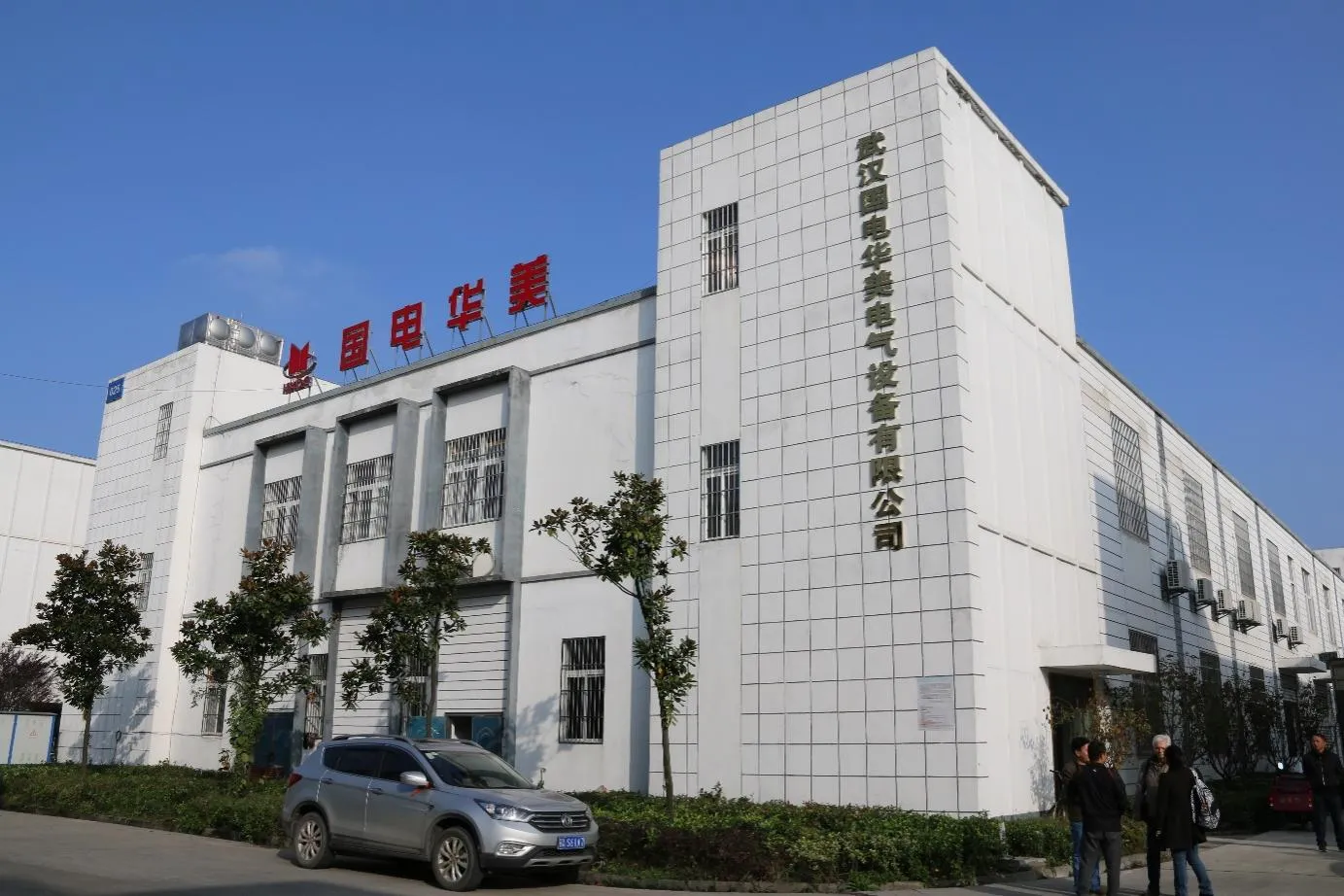
Our company has evolved from a specialized technical team focused on power testing equipment R&D into a high-tech enterprise engaged in the R&D, production, sales, and service of high-voltage testing equipment. Our product portfolio encompasses: resonant test systems, high-voltage testers, transformer testers, circuit breaker testers, relay protection testers, cable testers, oil testers, DC battery testers, generator testers, lightning impulse voltage generators, and SF6 testing equipment. These solutions are widely applied across power engineering, transportation, power plant construction, railway infrastructure, petrochemical, metallurgical, and coal mining industries. The company holds multiple certifications including CE certification and ISO9001 Quality Management System certification. Its products are not only popular in mainland China but also exported to Indonesia, India, Pakistan, Vietnam, the Philippines, Saudi Arabia, the United Arab Emirates, Egypt, Turkey, Israel, Brazil, Germany, the United States, Australia, and other countries and regions. With exceptional product quality and robust technical support, the company has earned widespread trust and acclaim from its customers.
If you have any needs, please feel free to contact us and we will be happy to serve you. Adhering to the concept of “integrity management, quality-oriented”, we are committed to providing our customers with high-quality products and efficient and comprehensive after-sales service.
FAQ
Q: What is the primary purpose of using an SF6 tester?
A: The core purpose is to assess the health status of high-voltage electrical equipment (such as circuit breakers and GIS switchgear).
Q: Does SF6 testing require power shutdown?
A: Typically not. Modern SF6 testers are designed for live testing.
Q: What is the greatest safety risk during SF6 operations? How can it be avoided?
A: The primary risks are exposure to toxic decomposition products and SF6 gas leakage.
Q: Prevention methods:
A: ● Ensure equipment is de-energized and properly isolated.
● Wear protective gloves and goggles.
● Operate in a well-ventilated area or use respiratory protection.
● Select instruments with automatic recovery functions to fully recharge gas into equipment post-test, achieving zero emissions.
Q: What is the purpose of the instrument's “purge” or “flush” function?
A: This function removes air and residual gases from the piping system.
Q: What are the key SF6 indicators?
A: Focus on three core metrics: gas purity (%SF6); moisture content (H₂O); decomposition products (e.g., SO₂, H₂S).
Q: How is SF6 instrument data managed?
A: Modern instruments typically feature: internal storage; report generation; data export.
Q: What are the primary considerations when selecting SF6 instruments?
A: 1. Functional Requirements: Is simultaneous measurement of purity, moisture, and multiple decomposition products required? Or only partial functionality?
2. Zero-Emission Design: Does it incorporate an internal compressor/recovery pump to enable full gas recovery and circulation throughout testing? This is critical for environmental compliance.
3. Accuracy and Stability: Sensor technology (e.g., laser, NDIR) determines long-term stability and interference resistance.
4. Compliance: Does the instrument meet international standards like IEC 62271 and IEC 60480?
5. Usability: Is the user interface intuitive and does it have a guided workflow.
Q: How does it work?
A: Modern high-end instruments predominantly utilize laser spectroscopy technology (such as TDLAS).
The principle involves different gas molecules absorbing laser light at specific wavelengths. By measuring the degree of laser absorption, the concentration of various gases can be calculated with high precision and specificity. This technology offers strong resistance to interference and a long service life.
As one of the most professional sf6 gas testing instrument manufacturers in China, we're featured by quality products and good price. Welcome to buy sf6 gas testing instrument in stock here and get pricelist from our factory. Contact us for customized service.