

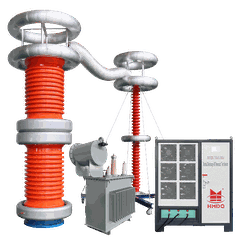

When it comes to electrical safety testing, a Portable Hipot Tester is an indispensable tool. As a supplier of Portable Hipot Testers, I understand the challenges customers face in choosing the right one. In this blog, I'll share some key factors to consider when making your selection, ensuring that you get a tester that meets your specific needs.
Understanding the Basics of a Portable Hipot Tester
A Portable Hipot Tester, also known as a high - potential tester, is used to perform dielectric withstand and insulation resistance tests on electrical equipment. These tests help identify potential insulation weaknesses that could lead to electrical shocks, short circuits, or equipment failure. By applying a high voltage to the device under test for a specified period, the tester can detect any leakage current, which indicates a problem with the insulation.
1. Testing Requirements
The first step in choosing the right Portable Hipot Tester is to understand your testing requirements. Different applications demand different testing parameters. For example, if you are testing low - voltage consumer electronics, a tester with a lower voltage output may be sufficient. On the other hand, if you are working with high - voltage industrial equipment, you'll need a tester capable of generating higher voltages.


- Voltage Range: Consider the maximum and minimum voltage requirements for your tests. Most Portable Hipot Testers offer a range of output voltages. For general electronics testing, a tester with a voltage range of 500V to 5kV might be adequate. However, for more specialized applications such as testing high - voltage cables or transformers, you may need a tester with a much higher voltage output, like the 200kV/2mA DC Hipot Tester or the 120kV/2mA DC Hipot Tester.
- Current Range: Along with voltage, the current range is also crucial. The tester should be able to measure the leakage current accurately. Some applications may require a tester with a very sensitive current measurement capability, especially when testing equipment with high - quality insulation.
2. Test Modes
Portable Hipot Testers come with different test modes, and the choice depends on the type of equipment you are testing.
- Dielectric Withstand Test: This is the most common test mode. It involves applying a high voltage to the device under test for a set period (usually 60 seconds) to check if the insulation can withstand the specified voltage without breaking down.
- Insulation Resistance Test: This test measures the resistance of the insulation material. A high insulation resistance value indicates good insulation. Some testers can perform both dielectric withstand and insulation resistance tests, providing a more comprehensive evaluation of the equipment's insulation quality. For instance, the Water - cooled Generator Insulation Resistance Tester is designed specifically for testing the insulation resistance of water - cooled generators, offering accurate and reliable results.
- Ground Bond Test: This test checks the integrity of the ground connection in electrical equipment. It ensures that the equipment is properly grounded, which is essential for safety.
3. Accuracy and Precision
Accuracy and precision are vital when it comes to electrical testing. A reliable Portable Hipot Tester should provide accurate voltage and current measurements. Look for testers with a high level of accuracy, usually specified as a percentage of the measured value. For example, a tester with an accuracy of ±1% is more precise than one with an accuracy of ±3%. Precision also refers to the repeatability of the measurements. A tester that can produce consistent results over multiple tests is more reliable.
4. Portability and Ease of Use
As the name suggests, portability is a key feature of a Portable Hipot Tester. You may need to move the tester from one location to another, so it should be lightweight and easy to carry. Additionally, it should be easy to operate. A user - friendly interface with clear displays and intuitive controls can save time and reduce the risk of errors during testing. Some testers come with built - in printers or data logging capabilities, allowing you to record and analyze the test results easily.
5. Safety Features
Safety is of utmost importance when working with high - voltage equipment. The Portable Hipot Tester should have several safety features to protect the user and the equipment under test.
- Over - voltage and Over - current Protection: These features prevent the tester from applying excessive voltage or current, which could damage the equipment or pose a safety hazard.
- Ground Fault Protection: This feature ensures that the tester is properly grounded and can detect any ground faults during the test.
- Safety Interlocks: Some testers are equipped with safety interlocks that prevent the high - voltage output from being activated unless all the test leads are properly connected.
6. Compliance and Standards
Ensure that the Portable Hipot Tester complies with relevant industry standards. Different countries and industries may have specific standards for electrical safety testing. For example, in the United States, the tester should comply with standards set by the Occupational Safety and Health Administration (OSHA) and the Underwriters Laboratories (UL). In Europe, the tester should meet the requirements of the European Union's safety standards, such as the CE mark.
7. Brand Reputation and Support
Choose a Portable Hipot Tester from a reputable brand. A well - established brand is more likely to offer high - quality products and reliable customer support. Look for reviews and testimonials from other users to get an idea of the brand's reputation. Additionally, the manufacturer should provide technical support, training, and after - sales service. This ensures that you can get help when you encounter any problems with the tester.
Conclusion
Choosing the right Portable Hipot Tester is a critical decision that can impact the safety and reliability of your electrical equipment testing. By considering factors such as testing requirements, test modes, accuracy, portability, safety features, compliance, and brand reputation, you can make an informed choice. If you have any questions or need further assistance in selecting the right Portable Hipot Tester for your needs, feel free to reach out to us. We are here to help you find the perfect solution for your electrical testing requirements.
References
- Electrical Safety Standards Handbook
- Manufacturer's Manuals for Portable Hipot Testers