

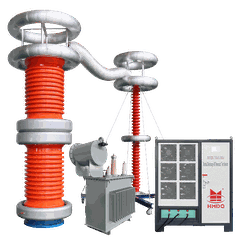

Hey there! As a supplier of Cylinder Type AC Test Transformers, I'm super stoked to share with you how to install one of these nifty devices. Whether you're a seasoned pro in the electrical testing game or just starting out, this guide will walk you through the process step by step.
Before You Start
First things first, safety is always the name of the game. Make sure you've got all the necessary safety gear on, like insulated gloves, safety glasses, and a hard hat. You don't want to take any chances when working with high-voltage equipment.
Also, check the transformer thoroughly for any visible damage before you start the installation. Look for cracks, dents, or any signs of leakage. If you spot anything fishy, don't proceed with the installation. Instead, contact us right away, and we'll sort it out for you.
Step 1: Choose the Right Location
Picking the right spot for your Cylinder Type AC Test Transformer is crucial. You want to find a place that's well-ventilated, dry, and away from any flammable materials. The area should also be level and able to support the weight of the transformer.
Make sure there's enough space around the transformer for easy access and maintenance. You don't want to be struggling to get to the controls or do some quick checks later on.
Step 2: Unpack and Inspect
Once you've found the perfect location, it's time to unpack the transformer. Carefully remove it from the packaging and check all the components. You should have the transformer itself, the control panel, and any necessary cables and accessories.
Inspect each part for any damage during transit. If you notice anything missing or damaged, let us know immediately. We'll get you the replacement parts asap.
Step 3: Mount the Transformer
Now, it's time to mount the transformer in its designated spot. Use the mounting brackets or bolts provided to secure it firmly to the floor or a suitable mounting surface. Make sure it's level and stable. You don't want it wobbling around when it's in operation.
Step 4: Connect the Cables
Next up, it's cable time. Connect the input cables from the power source to the transformer. Make sure you follow the wiring diagram provided in the manual. Double-check all the connections to ensure they're tight and secure. Loose connections can lead to all sorts of problems, like overheating or electrical arcing.
Then, connect the output cables to the load or the equipment you're testing. Again, refer to the wiring diagram to make sure you're doing it right.
Step 5: Install the Control Panel
The control panel is like the brain of the operation. Mount it in a convenient location where you can easily access the controls. Connect the control cables between the panel and the transformer. These cables are usually color-coded, so it should be pretty straightforward.
Step 6: Grounding
Grounding is super important for safety. Connect the grounding cable from the transformer to a proper grounding point. This helps to protect you and the equipment from electrical shocks and surges. Make sure the grounding connection is tight and in good condition.
Step 7: Check the Oil Level (if applicable)
Some Cylinder Type AC Test Transformers use oil for insulation and cooling. If your transformer is one of them, check the oil level. It should be within the recommended range. If it's low, you may need to add more oil. But be careful and follow the instructions in the manual.
Step 8: Initial Testing
Before you start using the transformer for actual testing, it's a good idea to do some initial checks. Turn on the power and make sure the control panel lights up and all the indicators are working properly. Check for any abnormal noises or vibrations.


If everything seems okay, run a short test at a low voltage to make sure the transformer is functioning as it should. Keep an eye on the readings and make sure they're within the expected range.
Step 9: Final Checks and Maintenance
Once you're satisfied with the initial testing, do a final walkaround and check all the connections again. Make sure everything is tight and secure. Also, clean up any debris or packaging materials from the installation area.
Regular maintenance is key to keeping your Cylinder Type AC Test Transformer in top shape. Follow the maintenance schedule in the manual, which may include tasks like oil changes, filter replacements, and inspections.
Additional Products
If you're in the market for other high-voltage testing equipment, we've got you covered. Check out our Cascade Test Transformer, which is great for applications that require higher voltages. We also have the Ultra-light AC Test Transformer, perfect for situations where portability is a must. And if you need a DC hipot tester, our 300kV/5mA DC Hipot Tester is a top-notch choice.
Contact Us for Purchase
If you're interested in buying a Cylinder Type AC Test Transformer or any of our other products, don't hesitate to reach out. We're here to answer all your questions and help you find the right equipment for your needs. Whether you're a small business or a large industrial facility, we've got the solution for you.
References
- Manufacturer's installation and operation manual for Cylinder Type AC Test Transformer
- Electrical safety standards and guidelines for high-voltage equipment