

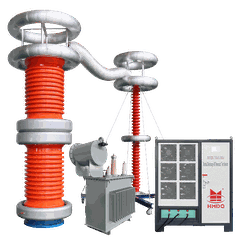

Hey there! As a supplier of Variable Frequency Power Supplies, I've seen firsthand the importance of getting the installation right. A correctly installed Variable Frequency Power Supply (VFPS) can make a huge difference in your electrical system's performance, efficiency, and safety. So, let's dive into how you can install one correctly.
Pre - installation Checks
Before you even start unpacking the VFPS, there are a few things you need to do. First off, check the installation site. The area where you're going to install the power supply should be clean, dry, and well - ventilated. A dirty or damp environment can cause all sorts of problems, like corrosion and short - circuits. Make sure there's enough space around the unit for proper air circulation. You don't want it to overheat!
Next, take a good look at the power supply itself. Inspect it for any visible damage during shipping. Check the cables, connectors, and the unit's casing. If you notice any issues, contact us right away. We'll make sure to get you a replacement or the necessary parts to fix it.
Also, verify the electrical specifications of your system. You need to ensure that the VFPS you've purchased is compatible with your electrical load. Check the voltage, current, and frequency requirements of your equipment. Our team can help you with this if you're not sure. Just give us a shout, and we'll guide you through the process.
Tools and Materials
You'll need a few tools and materials for the installation. Basic hand tools like screwdrivers (both flat - head and Phillips), wrenches, and pliers are essential. You'll also need cable ties to keep the cables organized. And don't forget about safety equipment, such as insulated gloves and safety glasses. Safety should always be your top priority when working with electricity.
Installation Steps
Mounting the Unit
The first step in the installation process is to mount the VFPS. Most units come with mounting brackets. Find a sturdy and flat surface to mount it on. Make sure the surface can support the weight of the unit. Use the appropriate screws and bolts to secure the unit to the surface. Double - check that it's level and firmly attached.
Connecting the Input Power
Once the unit is mounted, it's time to connect the input power. Locate the input terminals on the VFPS. Usually, there are clear markings indicating the phase, neutral, and ground connections. Before making any connections, turn off the main power supply to avoid any electrical shocks.
Connect the input cables to the corresponding terminals. Use the appropriate torque when tightening the terminal screws to ensure a good electrical connection. After connecting the cables, check again to make sure they're securely fastened.
Connecting the Output Load
Next, connect the output cables to the load equipment. Just like with the input power, make sure to follow the markings on the output terminals. The output cables should be sized correctly for the load current. You can refer to the electrical codes or consult with our technical team if you're unsure about the cable sizing.
Grounding
Grounding is a crucial part of the installation. Connect the grounding cable to the grounding terminal on the VFPS and to a proper grounding point. A good grounding system helps protect against electrical faults and reduces the risk of electrical shock.
Testing and Commissioning
After the installation is complete, it's time to test the VFPS. Before turning on the power, do a final visual inspection of all the connections. Make sure there are no loose cables or exposed wires.
Slowly turn on the main power supply. Check the display on the VFPS to see if it's showing the correct input voltage and frequency. Then, gradually increase the output voltage and frequency to the desired levels. Monitor the performance of the load equipment to make sure it's operating correctly.
If you encounter any issues during the testing, don't panic. Our technical support team is here to help. We can troubleshoot the problem with you over the phone or, if necessary, send a technician to your site.


Maintenance Tips
Once the VFPS is up and running, regular maintenance is important to keep it in good condition. Keep the unit clean by removing any dust or debris. Check the connections periodically to make sure they're still tight. And don't forget to schedule regular inspections and maintenance checks.
Related Products
If you're also in the market for other high - voltage testing equipment, we've got you covered. Check out our HV Cable AC Resonant Tester, Inductance Adjustable AC Resonant Test System, and Inductive Resonant Test System. These products are designed to work seamlessly with your Variable Frequency Power Supply and can enhance your electrical testing capabilities.
Contact Us for Purchase and Consultation
If you're interested in purchasing a Variable Frequency Power Supply or need more information about the installation process, don't hesitate to contact us. Our team of experts is ready to assist you with all your needs. Whether you have questions about the product specifications, installation, or maintenance, we're here to help. We can also provide you with a customized solution based on your specific requirements. So, reach out to us today and let's get started on improving your electrical system!
References
- Electrical Installation Codes and Standards
- Variable Frequency Power Supply User Manual