

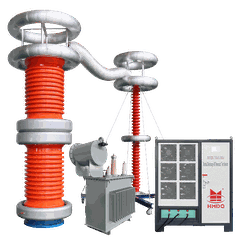

Hey there! As a supplier of Automatic Power Frequency Testers, I've seen firsthand how these nifty devices can take a beating if not properly protected. In this blog, I'm gonna share some practical tips on how to safeguard your Automatic Power Frequency Tester from physical damage.
Understanding the Vulnerabilities
First things first, it's important to know what makes your Automatic Power Frequency Tester vulnerable. These testers are packed with sensitive electronic components that can be easily damaged by impacts, vibrations, moisture, and extreme temperatures. Even a small bump or jolt can cause internal components to shift or break, leading to inaccurate readings or complete failure.
Choosing the Right Storage
One of the simplest ways to protect your tester is to store it properly. When not in use, keep it in a clean, dry, and temperature-controlled environment. Avoid storing it in areas prone to moisture, such as basements or near water sources. A dedicated storage cabinet or a padded carrying case can provide an extra layer of protection against dust, dirt, and accidental bumps.


Handling with Care
When handling your Automatic Power Frequency Tester, always treat it with care. Avoid dropping it or subjecting it to rough handling. When transporting the tester, use a sturdy case that provides adequate cushioning. Make sure to secure all cables and accessories to prevent them from getting tangled or damaged during transit.
Protecting Against Environmental Factors
Extreme temperatures can have a significant impact on the performance and lifespan of your tester. High temperatures can cause components to overheat and degrade, while low temperatures can make them brittle and more prone to breakage. Whenever possible, use the tester within the recommended temperature range specified by the manufacturer. If you need to use it in extreme conditions, consider using additional insulation or cooling measures.
Moisture is another enemy of electronic devices. To protect your tester from moisture, avoid using it in wet or humid environments. If the tester does get wet, dry it thoroughly before using it again. You can also use moisture-absorbing packets or desiccants in the storage case to keep the internal environment dry.
Regular Maintenance and Inspections
Regular maintenance and inspections are crucial for keeping your Automatic Power Frequency Tester in top condition. Follow the manufacturer's recommended maintenance schedule, which may include tasks such as cleaning the exterior, checking for loose connections, and calibrating the tester. Inspect the tester regularly for any signs of damage, such as cracks, scratches, or loose parts. If you notice any issues, address them immediately to prevent further damage.
Using Protective Accessories
There are several protective accessories available that can help safeguard your tester. For example, a protective cover can shield the tester from dust, dirt, and scratches. Anti-vibration pads can reduce the impact of vibrations and shocks during use or transportation. Additionally, surge protectors can protect the tester from power surges and electrical spikes.
Training Your Staff
If your Automatic Power Frequency Tester is used by multiple people, it's important to provide proper training on how to handle and use it correctly. Make sure all users are aware of the tester's vulnerabilities and the importance of following the recommended safety procedures. Training can help prevent accidental damage and ensure the tester is used effectively.
The Importance of Quality Equipment
Investing in a high-quality Automatic Power Frequency Tester can make a big difference in terms of durability and reliability. Look for a tester that is built with robust materials and has a reputation for quality. A well-built tester is more likely to withstand the rigors of daily use and provide accurate results over a longer period of time.
Related Products
If you're in the market for other high-voltage testing equipment, we also offer a range of products such as the Multi-Frequency Voltage Test Set, the Impulse Winding Tester withstand Voltage Tester, and the AC Test Transformer-Oil Immersed Type. These products are designed to meet the highest standards of quality and performance, and they can complement your Automatic Power Frequency Tester in your testing operations.
Conclusion
Protecting your Automatic Power Frequency Tester from physical damage is essential for ensuring its long-term performance and reliability. By following the tips outlined in this blog, you can minimize the risk of damage and keep your tester in top condition. Remember, a well-maintained tester not only provides accurate results but also saves you time and money in the long run.
If you have any questions about protecting your Automatic Power Frequency Tester or are interested in purchasing one, feel free to reach out to us. We're here to help you make the right choice and ensure that your testing equipment meets your needs.
References
- Manufacturer's manual for Automatic Power Frequency Tester
- Industry best practices for high-voltage testing equipment maintenance