

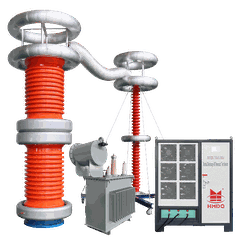

Hey there! As a supplier of AC Resonant Test Sets, I've seen firsthand how important it is to understand the environmental requirements for using these devices. In this blog post, I'll break down the key environmental factors you need to consider to ensure the safe and effective operation of your AC Resonant Test Set.
Temperature
Temperature plays a crucial role in the performance of an AC Resonant Test Set. Most test sets are designed to operate within a specific temperature range, typically between -20°C to 50°C (-4°F to 122°F). Operating outside of this range can lead to a variety of issues, including reduced accuracy, increased component wear, and even system failure.


In high-temperature environments, the internal components of the test set can overheat, which can cause damage to the insulation and other critical parts. This can lead to electrical shorts, reduced lifespan of the equipment, and potentially dangerous situations. On the other hand, in low-temperature environments, the performance of the test set can be affected by the increased viscosity of the insulating oil and other fluids, which can lead to reduced efficiency and accuracy.
To ensure optimal performance, it's important to operate the AC Resonant Test Set within the recommended temperature range. If you need to use the test set in extreme temperatures, you may need to take additional precautions, such as using a temperature-controlled enclosure or allowing the equipment to warm up or cool down before use.
Humidity
Humidity is another important environmental factor to consider when using an AC Resonant Test Set. High humidity levels can cause condensation to form on the internal components of the test set, which can lead to electrical shorts, corrosion, and other issues. In addition, humidity can also affect the performance of the insulation materials, which can lead to reduced accuracy and reliability.
Most AC Resonant Test Sets are designed to operate within a relative humidity range of 10% to 90% non-condensing. To prevent condensation from forming, it's important to ensure that the test set is stored and operated in a dry environment. If you need to use the test set in a high-humidity environment, you may need to use a dehumidifier or other moisture control measures to reduce the humidity levels.
Altitude
Altitude can also have an impact on the performance of an AC Resonant Test Set. As the altitude increases, the air pressure decreases, which can affect the dielectric strength of the insulation materials. This can lead to increased electrical stress on the components of the test set, which can increase the risk of electrical breakdown and other issues.
Most AC Resonant Test Sets are designed to operate at altitudes up to 2000 meters (6562 feet) above sea level. If you need to use the test set at higher altitudes, you may need to consult with the manufacturer to determine if any additional precautions or modifications are required.
Pollution and Dust
Pollution and dust can also have a negative impact on the performance of an AC Resonant Test Set. Dust and other contaminants can accumulate on the internal components of the test set, which can lead to reduced efficiency, increased component wear, and potentially dangerous situations. In addition, pollution can also affect the performance of the insulation materials, which can lead to reduced accuracy and reliability.
To prevent pollution and dust from affecting the performance of the test set, it's important to keep the equipment clean and free of debris. You should also avoid using the test set in areas with high levels of pollution or dust, such as construction sites or industrial areas. If you need to use the test set in these environments, you may need to use a protective enclosure or other measures to prevent dust and contaminants from entering the equipment.
Vibration and Shock
Vibration and shock can also have an impact on the performance of an AC Resonant Test Set. Excessive vibration or shock can cause damage to the internal components of the test set, which can lead to reduced accuracy, increased component wear, and potentially dangerous situations. In addition, vibration and shock can also affect the calibration of the test set, which can lead to inaccurate test results.
To prevent vibration and shock from affecting the performance of the test set, it's important to ensure that the equipment is installed and operated on a stable surface. You should also avoid transporting the test set in a rough or bumpy manner, and use appropriate packaging and cushioning materials to protect the equipment during transportation.
Electromagnetic Interference (EMI)
Electromagnetic interference (EMI) can also have a negative impact on the performance of an AC Resonant Test Set. EMI can be caused by a variety of sources, including nearby electrical equipment, radio frequency (RF) signals, and lightning strikes. EMI can interfere with the operation of the test set, leading to inaccurate test results, system malfunctions, and potentially dangerous situations.
To prevent EMI from affecting the performance of the test set, it's important to ensure that the equipment is installed and operated in an area with minimal electromagnetic interference. You should also use appropriate shielding and grounding techniques to protect the test set from EMI. In addition, you may need to use filters or other EMI suppression devices to reduce the impact of EMI on the test set.
Conclusion
In conclusion, understanding the environmental requirements for using an AC Resonant Test Set is essential to ensure the safe and effective operation of the equipment. By considering factors such as temperature, humidity, altitude, pollution, dust, vibration, shock, and electromagnetic interference, you can minimize the risk of equipment damage, reduce the likelihood of inaccurate test results, and ensure the safety of your personnel.
If you're in the market for an AC Resonant Test Set, be sure to choose a high-quality product that is designed to meet your specific environmental requirements. At our company, we offer a wide range of Variable Frequency AC Resonant Test System that are designed to operate in a variety of environmental conditions. Our Compensation Capacitor Of Resonant Test Set and Container AC Resonant Test System are built to the highest standards of quality and reliability, and are backed by our commitment to customer satisfaction.
If you have any questions or would like to learn more about our AC Resonant Test Sets, please don't hesitate to contact us. We'd be happy to help you find the right solution for your needs and provide you with the support and guidance you need to ensure the safe and effective operation of your equipment.
References
- IEEE Standard for AC Voltage Testing with Series Resonant Systems
- IEC 60270: High-voltage test techniques - Partial discharge measurements
- ANSI/IEEE C37.09: Standard Test Procedures for AC High-Voltage Circuit Breakers Rated on a Symmetrical Current Basis