

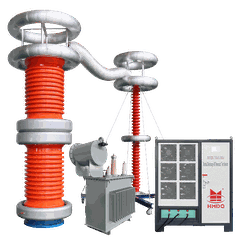

Hey there! As a supplier of Breakdown Voltage Test Equipment, I'm super stoked to chat with you about the performance indicators of this kind of gear. Breakdown voltage test equipment is crucial in various industries, like electrical power, electronics, and manufacturing. It helps us figure out the maximum voltage a material or component can handle before it breaks down. So, let's dig into the key performance indicators that you should keep an eye on.
1. Accuracy
Accuracy is like the holy grail when it comes to breakdown voltage test equipment. You want to be dead - on sure that the voltage readings you're getting are spot - on. After all, if your equipment gives you inaccurate results, it could lead to some major headaches down the line. For instance, if you're testing electrical insulation materials, an inaccurate breakdown voltage reading might make you think the material is more robust than it actually is. This could result in using the material in applications where it can't handle the voltage, leading to equipment failures or even safety hazards.
A high - quality breakdown voltage test equipment should have a low margin of error. Usually, the accuracy is expressed as a percentage of the reading. For example, an accuracy of ±1% means that if the equipment reads 1000 volts, the actual voltage could be anywhere between 990 and 1010 volts. When you're in the market for this kind of equipment, look for ones with the highest accuracy ratings you can afford.
2. Resolution
Resolution is all about how finely the equipment can measure the voltage. Think of it as the ability to zoom in on the voltage details. A high - resolution breakdown voltage test equipment can detect small changes in voltage, which is super important when you're dealing with materials or components that have very specific voltage requirements.
Let's say you're testing a semiconductor device. These things are often very sensitive to voltage changes, and a small difference in breakdown voltage can have a big impact on their performance. A test equipment with a high resolution can help you identify these subtle differences, allowing you to make more informed decisions about the device's suitability for different applications.
3. Repeatability
Repeatability is the ability of the equipment to give the same results when the same test is repeated under the same conditions. This is a key performance indicator because it gives you confidence in the reliability of the equipment. If you run a breakdown voltage test on a sample multiple times and get wildly different results each time, you can't trust the data.
Good repeatability means that the equipment is stable and consistent. It shows that the internal components of the equipment, like the voltage source and the measurement circuits, are well - calibrated and not prone to random fluctuations. When you're comparing different breakdown voltage test equipment, ask the suppliers about their equipment's repeatability specifications. You can also look for customer reviews to see if other users have had consistent results with the equipment.
4. Voltage Range
The voltage range of the breakdown voltage test equipment is another important factor. You need to make sure that the equipment can cover the voltage levels you need to test. Different materials and components have different breakdown voltage requirements. For example, some low - voltage electronic components might only need to be tested up to a few hundred volts, while high - voltage power transmission equipment could require testing at tens of thousands of volts.
When choosing a breakdown voltage test equipment, consider the types of materials or components you'll be testing in the future. It's better to go for an equipment with a wider voltage range than you currently need. This gives you some flexibility in case your testing requirements change down the road.
5. Rise Time
The rise time refers to how quickly the test voltage can be increased to the desired level. In some applications, you might need to ramp up the voltage rapidly to simulate real - world conditions. For example, in lightning protection systems, the voltage can increase very quickly during a lightning strike.
A breakdown voltage test equipment with a fast rise time can help you replicate these rapid voltage changes accurately. On the other hand, if you're testing materials that are sensitive to sudden voltage changes, you might need an equipment with a slower rise time to avoid damaging the sample.
6. Safety Features
Safety is non - negotiable when it comes to breakdown voltage test equipment. These machines deal with high voltages, which can be extremely dangerous if not handled properly. Look for equipment that has built - in safety features like over - voltage protection, short - circuit protection, and grounding mechanisms.


Over - voltage protection prevents the equipment from applying a voltage higher than the set limit, which can protect both the sample and the equipment itself. Short - circuit protection ensures that if there's a short circuit during the test, the equipment shuts down immediately to prevent damage. Grounding is essential to prevent electrical shocks to the operators.
Our Breakdown Voltage Test Equipment
At our company, we offer a wide range of breakdown voltage test equipment that meets all these performance indicators. We have different types of test transformers, including Cylinder Type AC Test Transformer, AC Test Transformer - Oil Immersed Type, and AC Test Transformer - SF6 Gas Type.
Our cylinder - type AC test transformers are known for their compact design and high - accuracy voltage output. They're great for applications where space is limited. The oil - immersed type transformers offer excellent insulation and heat dissipation, making them suitable for long - term, high - voltage testing. And the SF6 gas - type transformers are environmentally friendly and have a high dielectric strength, which means they can handle higher voltages more efficiently.
If you're in the market for breakdown voltage test equipment, we'd love to have a chat with you. Whether you're a small electronics manufacturer or a large power utility company, we can help you find the right equipment for your needs. Don't hesitate to reach out to us to start a conversation about your testing requirements and how our equipment can meet them.
References
- Electrical Testing Handbook, Third Edition. This comprehensive handbook covers all aspects of electrical testing, including breakdown voltage testing.
- IEEE Standards on High - Voltage Testing Techniques. These standards provide guidelines on how to conduct accurate and reliable high - voltage tests, which are relevant to breakdown voltage testing.