

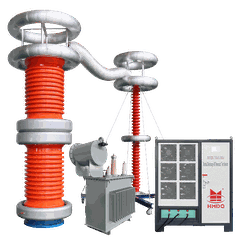


What is the fall time of a Current Injection Temperature Tester? That's a question I get asked a lot as a supplier of these nifty devices. So, let's dig into it and break it down in a way that's easy to understand.
First off, let's quickly go over what a Current Injection Temperature Tester does. It's a crucial piece of equipment used in the electrical testing field. Essentially, it injects current into electrical components to simulate real - world operating conditions and measure the temperature changes. This helps in determining if the components can handle the expected current loads without overheating, which is super important for safety and performance.
Now, the fall time. The fall time of a Current Injection Temperature Tester refers to the time it takes for the current output of the tester to drop from its peak value to a specified lower value, usually a small percentage of the peak, like 10% or 5%. It's kind of like how quickly a ball stops rolling after you give it a big push.
Why is the fall time important? Well, in electrical testing, a fast fall time can be a game - changer. When you're testing electrical components, you want to be able to turn off the current quickly and accurately. A long fall time might mean that the component continues to experience current for longer than intended, which could lead to inaccurate temperature readings. It can also potentially damage the component if it's exposed to unnecessary current for an extended period.
On the other hand, a short fall time allows for more precise testing. You can better control the testing process, get more accurate temperature data, and ensure that the component isn't overstressed. It's like having a well - calibrated stopwatch for your testing; you can start and stop the action at just the right moments.
The fall time of a Current Injection Temperature Tester can be affected by several factors. One of the main factors is the internal circuitry of the tester. Testers with high - quality components and advanced circuit designs tend to have shorter fall times. This is because the better components can handle the rapid changes in current more efficiently.
Another factor is the load being tested. Different electrical components have different electrical characteristics, such as resistance and inductance. These characteristics can influence how the current decays in the circuit. For example, a highly inductive load might cause the current to decay more slowly, resulting in a longer fall time.
As a supplier, we offer a range of Current Injection Temperature Testers, each with its own fall time specifications. Our Current Injection Temperature Tester models are designed to meet the diverse needs of our customers. Whether you're testing small, low - current components or large, high - current systems, we've got you covered.
For those of you dealing with high - current applications, we have the 7000A Primary Current Injection Test Set and the 7500A Primary Current Injection Test Set. These sets are built to handle large currents while still maintaining a relatively short fall time, ensuring accurate and reliable testing.


When you're choosing a Current Injection Temperature Tester, it's important to consider the fall time along with other specifications. Make sure the fall time meets the requirements of your specific testing applications. If you're not sure what fall time is right for you, our team of experts is here to help. We can provide you with detailed information and guidance to ensure you make the best choice for your testing needs.
In conclusion, the fall time of a Current Injection Temperature Tester is a critical parameter that can significantly impact the accuracy and effectiveness of your electrical testing. By understanding what fall time is, why it matters, and how it's affected, you can make a more informed decision when purchasing a tester.
If you're in the market for a Current Injection Temperature Tester or have any questions about fall times or our products, don't hesitate to reach out. We're always ready to assist you with your procurement and answer any technical queries you might have. Let's work together to ensure your electrical testing processes are as accurate and efficient as possible.
References
- Electrical Testing Handbook
- Industry standards on current injection testing equipment


