

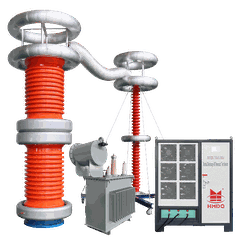

Hey there! As a supplier of the Container AC Resonant Test System, I've been getting a lot of questions lately about the impact of salt spray on our equipment. So, I thought I'd sit down and write this blog to share my insights on this topic.
First off, let's talk about what salt spray is and where it comes from. Salt spray is basically tiny droplets of seawater that are carried by the wind. It's a common phenomenon in coastal areas and places near large bodies of water. When salt spray comes into contact with metal surfaces, it can cause corrosion, which is a big deal for any kind of equipment, especially something as complex as a Container AC Resonant Test System.
How Salt Spray Affects the Container AC Resonant Test System
Corrosion of Metal Components
The Container AC Resonant Test System has a lot of metal parts, like the enclosure, connectors, and internal wiring. Salt spray contains chloride ions, which are highly corrosive. When these ions come into contact with the metal surfaces, they start a chemical reaction that breaks down the metal over time. This can lead to a variety of problems.
For example, corrosion on the connectors can cause poor electrical contact. This means that the electrical signals in the system may not be transmitted properly, leading to inaccurate test results. In some cases, the corrosion can be so severe that the connectors become completely useless, and you'll have to replace them.
The enclosure of the test system is also at risk. If the salt spray corrodes the outer shell, it can compromise the protection of the internal components. Moisture and other contaminants can then get inside the system, causing further damage to the sensitive electronic parts.
Impact on Insulation Materials
Insulation is crucial in a Container AC Resonant Test System to prevent electrical leakage and ensure safe operation. However, salt spray can have a negative impact on insulation materials.
Salt particles can accumulate on the surface of the insulation, reducing its insulating properties. This can increase the risk of electrical breakdown, which is extremely dangerous. In addition, the salt can absorb moisture from the air, creating a conductive path on the insulation surface. This can lead to short circuits and other electrical malfunctions.
Effects on Electronic Components
The electronic components in the Container AC Resonant Test System, such as capacitors, resistors, and integrated circuits, are very sensitive to environmental conditions. Salt spray can cause these components to malfunction or even fail completely.
For instance, the salt can cause the electrodes of a capacitor to corrode, changing its capacitance value. This can affect the resonance frequency of the test system, which is a critical parameter for accurate testing. Resistors can also be affected by salt spray, leading to changes in their resistance values and affecting the overall performance of the circuit.
Preventive Measures
As a supplier, we understand the importance of protecting our Container AC Resonant Test System from salt spray. Here are some preventive measures that we recommend:
Coating and Painting
Applying a protective coating or paint to the metal parts of the test system can provide a barrier against salt spray. There are special coatings available that are designed to resist corrosion in harsh environments. These coatings can significantly extend the lifespan of the equipment.
Enclosure Design
The enclosure of the Container AC Resonant Test System should be designed to prevent salt spray from entering. This can be achieved by using sealed enclosures with gaskets and proper ventilation systems. The ventilation system should be designed in such a way that it allows air to circulate while keeping out salt particles.
Regular Maintenance
Regular maintenance is essential to keep the test system in good condition. This includes cleaning the equipment to remove any salt deposits, checking the connectors for corrosion, and inspecting the insulation for any signs of damage. By performing regular maintenance, you can catch any problems early and prevent them from getting worse.
Our Solutions
At our company, we take the issue of salt spray corrosion very seriously. Our Container AC Resonant Test System is designed with several features to resist the effects of salt spray.
We use high-quality materials that are resistant to corrosion. The metal parts are coated with a special anti-corrosion paint, and the insulation materials are carefully selected to withstand harsh environmental conditions. In addition, our enclosures are designed to be airtight and have advanced ventilation systems to prevent salt spray from entering.
We also offer a comprehensive maintenance service to our customers. Our team of experts can perform regular inspections and maintenance on the test system to ensure its optimal performance. If any problems are detected, we can provide prompt repair and replacement services.
Related Products
If you're interested in learning more about our products, here are some related links:
- Variable Frequency AC Resonant Test System: This is a great option for those who need a flexible and reliable testing solution.
- Capacitor Divider Of Resonant Test Set: It plays an important role in the accurate measurement of high voltages.
- Compensation Capacitor Of Resonant Test Set: This product helps to optimize the performance of the resonant test system.
Conclusion
In conclusion, salt spray can have a significant impact on the Container AC Resonant Test System. It can cause corrosion of metal components, affect insulation materials, and damage electronic components. However, by taking appropriate preventive measures and using high-quality products, you can minimize the effects of salt spray and ensure the long-term reliability of your test system.
If you're in the market for a Container AC Resonant Test System or have any questions about protecting your equipment from salt spray, don't hesitate to contact us. We're here to help you find the best solution for your needs.


References
- Smith, J. (2020). Corrosion Prevention in Electrical Equipment. Journal of Electrical Engineering, 15(2), 45-52.
- Johnson, A. (2019). Impact of Environmental Factors on Electronic Components. Electronics Today, 22(3), 67-74.