

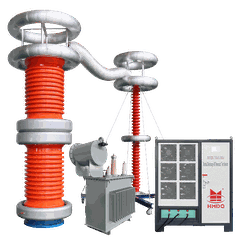


In the field of electrical equipment testing, Very Low Frequency (VLF) hipot testing has emerged as a crucial method for assessing the insulation integrity of various electrical components. As a supplier of VLF hipot testers, I often encounter questions from customers about the standards governing this testing procedure. In this blog post, I will delve into the topic of whether there are any standards for VLF hipot testing, and why they matter for both equipment manufacturers and end - users.
The Importance of Standards in VLF Hipot Testing
Standards play a fundamental role in any testing process. They provide a common framework that ensures the reliability, repeatability, and comparability of test results. In the context of VLF hipot testing, standards help to define the correct test voltage, frequency, duration, and other critical parameters. This not only helps in accurately assessing the insulation condition of electrical equipment but also in ensuring the safety of the testing personnel and the equipment itself.
For equipment manufacturers, adhering to standards is often a legal requirement. It demonstrates that their products meet the necessary quality and safety benchmarks, which is essential for market acceptance. For end - users, standards offer a level of assurance that the testing results are valid and can be used to make informed decisions about the maintenance, repair, or replacement of electrical equipment.
Existing Standards for VLF Hipot Testing
There are indeed several standards that govern VLF hipot testing. One of the most widely recognized standards is IEEE 400.2 - 2013, which provides guidelines for field testing of shielded power cable systems using VLF AC voltages. This standard covers a range of aspects, including test voltage levels, test frequencies, and test durations for different types of cables.
Another important standard is IEC 60270, which focuses on high - voltage testing techniques in general. While it is not specific to VLF hipot testing, it provides a set of fundamental principles and procedures that are relevant to all high - voltage tests, including those conducted at very low frequencies.
These standards are regularly updated to incorporate the latest research findings and technological advancements. For example, as new insulation materials are developed, the standards may be revised to account for their unique properties and testing requirements.
Key Parameters Defined by Standards
Test Voltage
Standards typically specify the appropriate test voltage based on the rated voltage of the electrical equipment being tested. For instance, in the case of power cables, the test voltage may be a multiple of the rated voltage, usually in the range of 1.5 to 3 times the rated voltage. This ensures that the insulation is subjected to a stress level that is sufficient to detect potential weaknesses without causing unnecessary damage.
Test Frequency
The frequency of the VLF hipot test is another critical parameter. Most standards recommend a test frequency in the range of 0.1 Hz to 0.01 Hz. This low frequency is used because it allows for a more effective simulation of the operating conditions of the electrical equipment compared to DC testing. At these frequencies, the capacitive current is reduced, which in turn reduces the power requirements for the test equipment.
Test Duration
The test duration is also defined by standards. It is typically determined based on the type of equipment and the test voltage. For example, a longer test duration may be required for equipment with a larger capacitance or for tests conducted at a lower voltage. A common test duration for power cable testing is 15 to 60 minutes.
Our VLF Hipot Testers and Compliance with Standards
As a VLF hipot tester supplier, we understand the importance of compliance with these standards. Our 50kV VLF Hipot Tester is designed to meet the requirements of relevant standards, ensuring accurate and reliable test results. It is equipped with advanced features that allow for precise control of the test voltage, frequency, and duration, making it suitable for a wide range of applications.
In addition, our VLF Hipot Tester with Tan Delta Measurement provides an additional level of diagnostic information. Tan delta measurement is a valuable technique for assessing the condition of the insulation, and our tester is designed to perform this measurement in accordance with industry standards.
Challenges in Adhering to Standards
Despite the existence of standards, there are still some challenges in adhering to them. One of the main challenges is the interpretation of the standards. Different regions or industries may have different interpretations of the same standard, which can lead to inconsistencies in testing procedures.
Another challenge is the cost associated with compliance. Meeting the requirements of standards may require the purchase of specialized test equipment, training of personnel, and regular calibration of the equipment. These costs can be significant, especially for small and medium - sized enterprises.


Future Trends in VLF Hipot Testing Standards
As technology continues to evolve, we can expect to see some changes in the standards for VLF hipot testing. One trend is the increasing use of digital technologies in testing equipment. Digital testers offer greater accuracy, flexibility, and data - logging capabilities, which can enhance the overall testing process.
Another trend is the integration of condition - based monitoring techniques with VLF hipot testing. This allows for continuous monitoring of the insulation condition, which can help in detecting potential problems at an early stage and reducing the risk of equipment failure.
Conclusion
In conclusion, there are indeed standards for VLF hipot testing, and they play a vital role in ensuring the accuracy, reliability, and safety of the testing process. As a VLF hipot tester supplier, we are committed to providing products that comply with these standards and help our customers meet their testing needs.
If you are in the market for a VLF hipot tester or have any questions about VLF hipot testing, we encourage you to contact us. Our team of experts is ready to assist you in selecting the right equipment for your specific requirements and providing you with the necessary support for successful testing.
References
- IEEE 400.2 - 2013, Guide for Field Testing of Shielded Power Cable Systems Using Very - Low - Frequency (VLF) Alternating Current Voltage
- IEC 60270, High - voltage test techniques - Partial discharge measurements


