

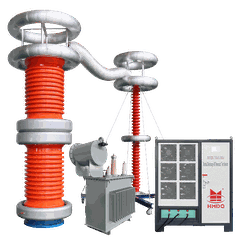


Vibration is a common and challenging issue in the operation of Cascade Test Transformers. As a supplier of Cascade Test Transformers, I understand the significant impact that vibration can have on the performance, lifespan, and safety of these crucial pieces of equipment. In this blog post, I will explore the various ways to reduce the impact of vibration on Cascade Test Transformers, drawing on my experience and industry knowledge.
Understanding the Causes of Vibration in Cascade Test Transformers
Before we can effectively reduce the impact of vibration, it is essential to understand its root causes. Vibration in Cascade Test Transformers can be attributed to several factors:
1. Electromagnetic Forces
The alternating magnetic fields within the transformer windings generate electromagnetic forces. These forces can cause the windings and core to vibrate. The magnitude of these forces depends on the current flowing through the windings and the design of the transformer. For example, high - current operations can lead to more significant electromagnetic forces and, consequently, more intense vibration.
2. Mechanical Resonance
Cascade Test Transformers have natural frequencies of vibration. When the frequency of an external force, such as that from nearby machinery or the power grid, matches the natural frequency of the transformer, mechanical resonance occurs. Resonance can amplify the vibration amplitude, potentially causing severe damage to the transformer components.
3. Unbalanced Loads
If the load connected to the Cascade Test Transformer is unbalanced, it can lead to uneven distribution of currents in the windings. This imbalance creates additional forces that contribute to vibration. Unbalanced loads can be caused by faulty electrical equipment or improper connection of multiple loads.
4. Mounting and Installation Issues
Incorrect mounting of the transformer can also be a source of vibration. If the transformer is not properly secured or if the mounting surface is uneven, it can transmit vibrations from the ground or other sources to the transformer. Additionally, loose bolts or brackets can exacerbate the problem.
The Impact of Vibration on Cascade Test Transformers
Vibration can have several detrimental effects on Cascade Test Transformers:
1. Structural Damage
Continuous vibration can cause mechanical stress on the transformer's components, such as the windings, core, and enclosure. Over time, this stress can lead to cracks, loose connections, and other structural damage. For example, vibration can cause the insulation of the windings to wear out, increasing the risk of short - circuits.


2. Reduced Efficiency
Vibration can also affect the electrical performance of the transformer. It can cause the windings to move slightly, changing the magnetic coupling between them. This change can result in increased losses and reduced efficiency, leading to higher energy consumption and operating costs.
3. Noise Pollution
Vibration generates noise, which can be a significant issue, especially in industrial or residential areas. Excessive noise can also indicate potential problems with the transformer, and it may be a sign of impending failure.
Strategies to Reduce the Impact of Vibration
1. Design Optimization
- Winding Design: A well - designed winding can minimize the electromagnetic forces that cause vibration. Using proper winding techniques, such as interleaved windings, can help balance the magnetic fields and reduce the overall vibration. For example, by arranging the turns of the winding in a specific pattern, the magnetic forces can be more evenly distributed.
- Core Design: The core of the transformer is another critical component that can be optimized to reduce vibration. Using high - quality core materials with low magnetic losses and good mechanical properties can help dampen the vibration. Additionally, the core can be designed with proper clamping and bracing to prevent movement.
2. Vibration Isolation
- Mounting Pads: One of the most effective ways to isolate the transformer from external vibrations is to use mounting pads. These pads are made of materials such as rubber or neoprene, which have good vibration - damping properties. Mounting pads can absorb the vibrations transmitted from the ground or other sources, reducing the impact on the transformer.
- Isolation Mounts: In some cases, more advanced isolation mounts can be used. These mounts are designed to provide a higher level of vibration isolation by using springs or other damping mechanisms. They can be particularly useful in environments with high levels of external vibration.
3. Load Management
- Balancing Loads: Ensuring that the loads connected to the Cascade Test Transformer are balanced is crucial. This can be achieved by regularly checking the electrical system and making necessary adjustments. For example, if one phase of the load is significantly heavier than the others, redistributing the load or replacing faulty equipment can help balance the currents in the windings.
- Load Monitoring: Implementing a load monitoring system can help detect any sudden changes in the load that may cause vibration. By continuously monitoring the load, appropriate actions can be taken in a timely manner to prevent excessive vibration.
4. Maintenance and Inspection
- Regular Inspections: Regular inspections of the transformer are essential to detect any signs of vibration - related damage. During inspections, the condition of the windings, core, and mounting components should be checked. Any loose connections, cracks, or signs of wear should be addressed immediately.
- Tightening Bolts and Brackets: Loose bolts and brackets can contribute to vibration. Regularly checking and tightening these components can help prevent excessive vibration and ensure the stability of the transformer.
The Role of High - Quality Testing Equipment
In addition to the above strategies, using high - quality testing equipment can also help in reducing the impact of vibration on Cascade Test Transformers. For example, the Automatic Power Frequency Tester can accurately measure the electrical parameters of the transformer, allowing for early detection of any issues that may be related to vibration. The Power Frequency withstand Voltage Control Box can ensure that the transformer is operating within its specified voltage range, reducing the risk of over - stress and vibration.
Conclusion
Reducing the impact of vibration on Cascade Test Transformers is a complex but essential task. By understanding the causes of vibration, implementing appropriate design and installation measures, managing loads effectively, and conducting regular maintenance and inspections, we can significantly improve the performance and lifespan of these transformers. As a supplier of Cascade Test Transformers, I am committed to providing high - quality products and solutions to help our customers minimize the impact of vibration.
If you are interested in learning more about our Cascade Test Transformers or have any questions regarding vibration reduction, please feel free to contact us for further discussion and potential procurement.
References
- Grover, N. K. (2007). Transformer Engineering: Design, Technology, and Diagnostics. CRC Press.
- Kulkarni, S. V., & Khaparde, S. A. (2004). Transformer Engineering: Design, Manufacture, and Testing. Marcel Dekker.


