

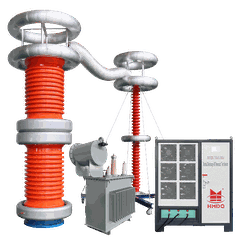


A dry type AC DC test transformer is an essential piece of equipment in the electrical testing field, used for conducting high - voltage tests on various electrical devices and insulation materials. However, like any other electrical equipment, it may encounter problems during operation. As a supplier of dry type AC DC test transformers, I will share some troubleshooting steps in this blog.
1. Initial Checks
Before delving into complex troubleshooting, some basic checks should be carried out.
- Power Supply Inspection:
First, verify that the transformer is properly connected to a stable power source. Check the power cord for any visible damage, such as cuts or fraying. Ensure that the power switch on the transformer is in the "ON" position. Sometimes, a simple power supply issue can lead to the transformer not working. For example, the circuit breaker may have tripped due to an over - current situation. If so, reset the circuit breaker and try to start the transformer again. - Control Panel and Indicators:
Examine the control panel of the transformer. Look for any error indicators or abnormal readings. Some transformers are equipped with LED indicators that can provide valuable information about the status of the device. If an error code is displayed, refer to the user manual for the specific meaning of the code and the corresponding troubleshooting steps.
2. Insulation Resistance Testing
Insulation resistance is a crucial parameter for the proper functioning of a dry type AC DC test transformer. A low insulation resistance can cause leakage currents, which may lead to malfunctions or even safety hazards.
- Using an Insulation Resistance Tester:
Disconnect the transformer from the power source and use an insulation resistance tester to measure the insulation resistance between the windings and the ground, as well as between different windings. The measured value should be within the range specified in the product manual. If the insulation resistance is too low, it may indicate insulation damage, which could be caused by factors such as moisture ingress, overheating, or mechanical damage. - Moisture and Contamination:
Moisture is one of the main enemies of insulation. Check if the transformer is installed in a dry environment. If there are signs of moisture, such as condensation on the surface of the transformer, it is necessary to dry it out. This can be done by using a heater or placing the transformer in a well - ventilated and dry area for a period of time. Additionally, check for any contamination, such as dust or dirt, on the insulation surface. Clean the insulation with a soft brush or compressed air if necessary.
3. Winding Checks
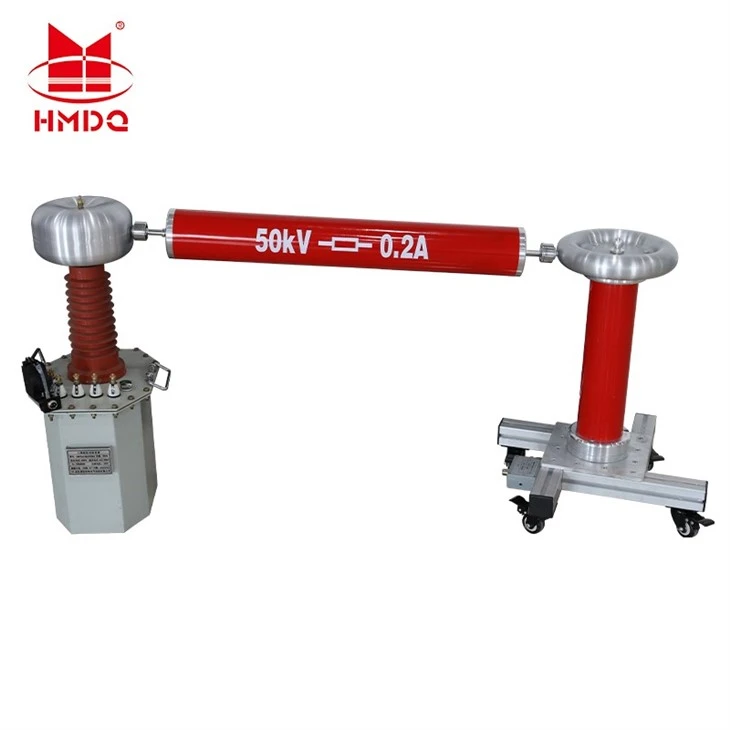
The windings of the transformer are the core components for energy conversion. Any problems with the windings can result in the transformer not functioning properly.

- Visual Inspection:
Conduct a visual inspection of the windings. Look for any signs of overheating, such as discoloration, charring, or melting. Overheating can be caused by over - loading, short - circuits, or poor ventilation. If any damage is found, the windings may need to be repaired or replaced. - Continuity Testing:
Use a multimeter to perform continuity testing on the windings. Check if there is a continuous electrical path in each winding. A broken winding will result in an open - circuit condition, which can prevent the transformer from working. If a broken winding is detected, it is usually necessary to replace the entire winding or the transformer, depending on the severity of the damage.
4. Cooling System Checks
Proper cooling is essential for the normal operation of a dry type AC DC test transformer. Overheating can cause insulation degradation and other problems.
- Ventilation:
Ensure that the ventilation openings of the transformer are not blocked. Dust, debris, or other objects can accumulate in the ventilation channels, reducing the cooling efficiency. Clean the ventilation openings regularly to ensure proper airflow. - Cooling Fan (if applicable):
Some dry type transformers are equipped with cooling fans. Check if the cooling fan is working properly. Listen for any abnormal noises from the fan, and use a multimeter to measure the voltage and current supplied to the fan. If the fan is not working, it may be due to a faulty motor or a problem with the power supply to the fan. Replace the faulty components as needed.
5. Protection Devices
The transformer is usually equipped with various protection devices, such as fuses, over - current relays, and over - voltage relays. These devices are designed to protect the transformer from damage under abnormal conditions.
- Fuse Check:
Check if the fuses are blown. A blown fuse can indicate an over - current situation in the transformer. Replace the fuse with a new one of the same rating. However, if the new fuse blows immediately, it indicates that there is a serious problem in the circuit, such as a short - circuit. - Relay Settings and Functionality:
Verify the settings of the over - current and over - voltage relays. The settings should be in accordance with the requirements of the transformer and the test application. Use a relay tester to check the functionality of the relays. If a relay is found to be malfunctioning, it should be replaced to ensure the proper protection of the transformer.
In addition to the above troubleshooting steps, there are other high - voltage testing equipment that can be used in conjunction with the dry type AC DC test transformer, such as the AC Insulation Cylinder Resonant Test System, Dry - type High - voltage Test Transformer, Oil Type Transformer AC DC Hipot Tester, Triple Frequency Voltage Test Set, and Oil Immersed Insulation Power Frequency Withstand Test.
If you have followed all the above troubleshooting steps and still cannot solve the problem, or if you need more in - depth technical support and product information, please feel free to contact me for further procurement discussions. We are committed to providing high - quality dry type AC DC test transformers and comprehensive after - sales service to meet your electrical testing needs.
References
- Electrical Equipment Maintenance Handbook
- Dry Type AC DC Test Transformer Product Manual


