

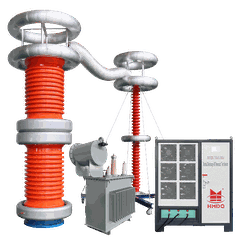

Hey there! As a supplier of Variable Frequency Power Supplies, I often get asked a bunch of questions about our products. One question that pops up quite a bit is, "Can a Variable Frequency Power Supply be used for electroplating equipment?" Well, let's dig into this topic and find out.
First off, let's understand what electroplating is. Electroplating is a process that uses an electric current to deposit a thin layer of metal onto an object. This is done in an electroplating bath, where the object to be plated acts as the cathode, and a metal electrode acts as the anode. The metal ions in the solution are attracted to the cathode and form a coating on it.
Now, what about Variable Frequency Power Supplies? These power supplies can adjust the frequency and voltage of the electrical output according to the requirements. They offer flexibility and precision, which are crucial in many industrial applications.
So, can they be used for electroplating equipment? The short answer is yes, and here's why.
Precision Control
One of the key advantages of using a Variable Frequency Power Supply for electroplating is the ability to control the current and voltage precisely. In electroplating, the quality of the plating depends on factors like the current density, plating time, and the composition of the plating solution. A Variable Frequency Power Supply can maintain a stable and accurate current and voltage, ensuring a consistent and high - quality plating. For example, if you're plating a delicate piece of jewelry, you need to have very precise control over the plating process to avoid over - plating or uneven coating. The adjustable frequency and voltage of the power supply allow you to fine - tune these parameters.
Energy Efficiency
Variable Frequency Power Supplies are generally more energy - efficient compared to traditional power supplies. In electroplating, which can be an energy - intensive process, this is a significant advantage. By adjusting the output frequency and voltage according to the actual needs of the electroplating equipment, the power supply can reduce energy consumption. This not only saves on electricity costs but also makes the electroplating process more environmentally friendly.
Adaptability
Electroplating processes can vary widely depending on the type of metal being plated, the size and shape of the object, and the desired thickness of the plating. A Variable Frequency Power Supply can adapt to these different requirements. For instance, if you're plating a large industrial component, you may need a higher current and voltage compared to a small decorative item. The power supply can easily adjust its output to meet these varying demands.


Compatibility with Advanced Plating Techniques
There are some advanced electroplating techniques, such as pulse plating and multi - layer plating, that require precise control of the electrical parameters. A Variable Frequency Power Supply is well - suited for these techniques. Pulse plating, for example, involves applying short pulses of current at specific intervals. The power supply can generate these pulses accurately, allowing for better control of the plating process and improved coating properties.
However, there are also some considerations when using a Variable Frequency Power Supply for electroplating equipment.
Cost
Variable Frequency Power Supplies can be more expensive than traditional power supplies. This is due to their advanced technology and features. When considering using one for electroplating, you need to weigh the cost against the benefits. If you're running a high - volume electroplating operation where precision and quality are crucial, the investment in a Variable Frequency Power Supply may be well worth it. But for a small - scale or low - budget electroplating setup, the cost may be a deterrent.
Technical Requirements
Using a Variable Frequency Power Supply requires a certain level of technical knowledge. You need to understand how to set the frequency, voltage, and other parameters correctly. Improper settings can lead to poor plating quality or even damage to the electroplating equipment. So, if you're planning to use a Variable Frequency Power Supply, you may need to train your staff or hire someone with the necessary expertise.
Now, let's talk about some of the other products in our range that are related to power and testing. We also offer high - voltage testing equipment like the 16200kVA/600kV Variable Frequency Series Resonance Tester. This tester is used to perform high - voltage tests on electrical equipment, ensuring their safety and reliability. It can accurately measure the electrical parameters under different conditions, which is essential in industries like power generation and transmission.
Another product is the Inductive Resonant Test System. This system is designed to test the insulation performance of electrical equipment. It uses resonant technology to generate high - voltage test signals, which can detect potential insulation defects in a non - destructive way.
We also have the HV Cable AC Resonant Tester. This tester is specifically used for testing high - voltage cables. It can accurately measure the electrical properties of the cables, such as capacitance and insulation resistance, helping to ensure the safe operation of the power grid.
In conclusion, a Variable Frequency Power Supply can be a great choice for electroplating equipment, offering precision control, energy efficiency, and adaptability. However, you need to consider the cost and technical requirements. If you're in the electroplating business or any other industry that requires precise power control, I encourage you to get in touch with us to discuss your specific needs. We can provide you with detailed information about our Variable Frequency Power Supplies and help you find the best solution for your application. Whether you're a small - scale workshop or a large industrial enterprise, we're here to support you.
References
- Principles of Electroplating and Metal Finishing, Third Edition by Lowenheim, F. A.
- Power Electronics: Converters, Applications, and Design by Mohan, N., Undeland, T. M., & Robbins, W. P.