

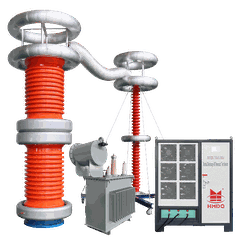

In the realm of power generation, ensuring the stability and reliability of generators is of utmost importance. One crucial aspect of generator testing is the measurement of power frequency, which is where a Generator Power Frequency Tester comes into play. As a supplier of Generator Power Frequency Testers, I am often asked about the accuracy of these devices. In this blog post, I will delve into the factors that affect the accuracy of a Generator Power Frequency Tester and discuss how to ensure reliable results.
Understanding Power Frequency and Its Significance
Power frequency refers to the number of cycles per second of an alternating current (AC) power system. In most parts of the world, the standard power frequency is either 50 Hz or 60 Hz. Maintaining a stable power frequency is essential for the proper operation of electrical equipment and the overall efficiency of the power grid. Deviations from the standard frequency can lead to issues such as motor overheating, reduced equipment lifespan, and power quality problems.
A Generator Power Frequency Tester is a specialized instrument designed to measure the power frequency of a generator accurately. It provides real-time information about the frequency of the electrical output, allowing operators to monitor and adjust the generator's performance as needed. By ensuring that the generator operates at the correct frequency, the tester helps to prevent damage to electrical equipment and maintain the stability of the power supply.
Factors Affecting the Accuracy of a Generator Power Frequency Tester
Several factors can influence the accuracy of a Generator Power Frequency Tester. Understanding these factors is crucial for selecting the right tester and ensuring reliable measurements.
1. Measurement Principle
The measurement principle used by the tester is one of the primary factors affecting its accuracy. There are two main types of measurement principles: analog and digital.
- Analog Testers: Analog testers use traditional electrical components such as capacitors, resistors, and inductors to measure the power frequency. They are relatively simple and inexpensive but may have limited accuracy and resolution. Analog testers are also more susceptible to environmental factors such as temperature and humidity, which can affect the performance of the electrical components.
- Digital Testers: Digital testers use advanced microprocessors and digital signal processing techniques to measure the power frequency. They offer higher accuracy, resolution, and stability compared to analog testers. Digital testers are also less affected by environmental factors and can provide more detailed information about the power frequency, such as frequency fluctuations and harmonics.
2. Sampling Rate
The sampling rate of the tester refers to the number of times per second that the tester samples the electrical signal to measure the power frequency. A higher sampling rate generally results in more accurate measurements, as it allows the tester to capture more details of the electrical signal. However, a higher sampling rate also requires more processing power and memory, which can increase the cost of the tester.
3. Calibration
Calibration is the process of adjusting the tester to ensure that its measurements are accurate. Regular calibration is essential for maintaining the accuracy of the tester over time. The calibration process involves comparing the measurements of the tester with a known standard and making any necessary adjustments to the tester's settings.
4. Environmental Conditions
Environmental conditions such as temperature, humidity, and electromagnetic interference can affect the accuracy of the tester. Extreme temperatures can cause the electrical components of the tester to expand or contract, which can affect their performance. High humidity can also cause corrosion and damage to the electrical components. Electromagnetic interference from nearby electrical equipment can introduce noise into the electrical signal, which can affect the accuracy of the measurements.
5. Quality of Components
The quality of the components used in the tester can also affect its accuracy. High-quality components are more reliable and less likely to fail, which can help to ensure the long-term accuracy of the tester. Cheaper components may be more prone to errors and may require more frequent calibration and maintenance.
Ensuring the Accuracy of a Generator Power Frequency Tester
To ensure the accuracy of a Generator Power Frequency Tester, it is important to take the following steps:
1. Choose the Right Tester
When selecting a Generator Power Frequency Tester, it is important to consider the specific requirements of your application. Choose a tester that uses a digital measurement principle, has a high sampling rate, and is suitable for the environmental conditions in which it will be used. Look for a tester that has been calibrated and certified by a reputable organization.
2. Follow the Manufacturer's Instructions
To ensure the accurate operation of the tester, it is important to follow the manufacturer's instructions carefully. This includes proper installation, calibration, and maintenance of the tester. Make sure to use the correct cables and connectors and to avoid exposing the tester to extreme environmental conditions.


3. Perform Regular Calibration
Regular calibration is essential for maintaining the accuracy of the tester over time. Follow the manufacturer's recommended calibration schedule and use a certified calibration laboratory to perform the calibration. Keep a record of the calibration results and use them to track the performance of the tester over time.
4. Protect the Tester from Environmental Conditions
To minimize the effects of environmental conditions on the accuracy of the tester, it is important to protect it from extreme temperatures, humidity, and electromagnetic interference. Store the tester in a dry, cool place and avoid exposing it to direct sunlight or moisture. Use shielding cables and connectors to reduce the effects of electromagnetic interference.
Comparison with Other Testing Equipment
In addition to Generator Power Frequency Testers, there are other types of testing equipment available for testing generators, such as Impulse Winding Tester withstand Voltage Tester, AC/DC High Votlage Divider, and Console Of Power Frequency withstand Voltage Test. Each type of equipment has its own unique features and applications.
- Impulse Winding Tester withstand Voltage Tester: This type of tester is used to test the insulation of the generator's windings. It applies a high-voltage impulse to the windings and measures the response to detect any insulation defects.
- AC/DC High Votlage Divider: A high-voltage divider is used to measure high voltages accurately. It divides the high voltage into a lower voltage that can be measured by a standard voltmeter.
- Console Of Power Frequency withstand Voltage Test: This console is used to perform power frequency withstand voltage tests on generators. It applies a high voltage at the power frequency to the generator and monitors the current flow to detect any insulation breakdown.
While these types of equipment are important for testing the overall performance and safety of the generator, a Generator Power Frequency Tester is specifically designed to measure the power frequency accurately. It provides real-time information about the frequency of the electrical output, which is essential for ensuring the stability and reliability of the generator.
Conclusion
In conclusion, the accuracy of a Generator Power Frequency Tester is influenced by several factors, including the measurement principle, sampling rate, calibration, environmental conditions, and quality of components. By understanding these factors and taking the necessary steps to ensure the accuracy of the tester, operators can rely on the measurements provided by the tester to monitor and adjust the performance of the generator.
As a supplier of Generator Power Frequency Testers, we are committed to providing high-quality products that offer accurate and reliable measurements. Our testers are designed using the latest digital technology and are calibrated to meet international standards. If you are in the market for a Generator Power Frequency Tester or have any questions about our products, please feel free to contact us for more information. We look forward to discussing your needs and providing you with the best solution for your application.
References
- "Power System Frequency Measurement: A Review," by A. J. Rogers and P. Crossley, IEEE Transactions on Power Systems, Vol. 13, No. 4, November 1998.
- "Measurement of Power System Frequency: A Survey," by M. A. Abido, IEEE Transactions on Power Systems, Vol. 18, No. 3, August 2003.
- "Accuracy of Frequency Measurement in Power Systems," by J. A. Martinez-Velasco and J. C. Burgos, IEEE Transactions on Instrumentation and Measurement, Vol. 49, No. 6, December 2000.