

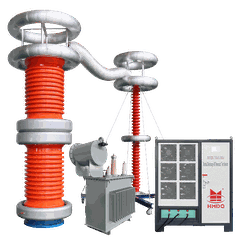

Feeder protection testing is a critical process in ensuring the reliable and safe operation of electrical power systems. A primary current injection test set is an essential tool for conducting these tests, allowing technicians to simulate various fault conditions and verify the performance of protective relays. As a supplier of primary current injection test sets, I have extensive experience in this field and would like to share some insights on how to use these devices effectively for feeder protection testing.
Understanding the Basics of Primary Current Injection Testing
Primary current injection testing involves applying a known current to the primary circuit of a protective relay or feeder protection system. This current simulates the conditions that would occur during a fault, such as a short circuit or overcurrent situation. By measuring the response of the protective relay or system to this injected current, technicians can determine if it is functioning correctly and will operate as expected in real-world scenarios.
Selecting the Right Primary Current Injection Test Set
Before starting any feeder protection testing, it is crucial to select the appropriate primary current injection test set for the job. There are several factors to consider when making this decision, including the maximum current rating, accuracy, and features of the test set.


- Maximum Current Rating: The maximum current rating of the test set should be sufficient to simulate the highest fault currents that the feeder protection system is designed to handle. For example, if the feeder protection system is rated for a maximum fault current of 5000A, you will need a test set with a maximum current output of at least 5000A. Our 5000A Primary Current Injection Test Set is specifically designed for such applications, providing accurate and reliable current injection up to 5000A.
- Accuracy: The accuracy of the test set is also an important consideration. A high-accuracy test set will provide more precise current injection, allowing for more accurate testing of the feeder protection system. Look for a test set with an accuracy rating of at least ±0.5% or better.
- Features: Different test sets come with a variety of features, such as adjustable current output, multiple test modes, and data logging capabilities. Consider the specific requirements of your feeder protection testing and choose a test set that has the features you need. For example, if you need to perform three-phase current injection testing, our 3-Phase Current Injection Tester is an excellent choice, offering accurate and simultaneous three-phase current injection.
Preparing for the Test
Once you have selected the appropriate primary current injection test set, it is time to prepare for the test. This involves several steps, including:
- Reviewing the Feeder Protection System Documentation: Before starting the test, carefully review the documentation for the feeder protection system, including the installation manual, settings guide, and test procedures. This will help you understand the system's operation and ensure that you are following the correct testing procedures.
- Inspecting the Test Set and Test Leads: Inspect the primary current injection test set and test leads for any signs of damage or wear. Make sure that the test leads are properly rated for the maximum current output of the test set and that they are securely connected to the test set and the feeder protection system.
- Setting Up the Test Environment: Set up the test environment in a safe and controlled area. Make sure that the test set and the feeder protection system are properly grounded and that there are no other electrical equipment or hazards in the vicinity.
- Calibrating the Test Set: Before starting the test, calibrate the primary current injection test set to ensure that it is providing accurate current output. Follow the manufacturer's instructions for calibrating the test set and use a calibrated reference current source if necessary.
Conducting the Test
Once you have prepared for the test, it is time to conduct the actual feeder protection testing. The following steps outline the general procedure for conducting a primary current injection test:
- Connect the Test Set to the Feeder Protection System: Connect the test leads from the primary current injection test set to the appropriate terminals on the feeder protection system. Make sure that the connections are secure and that the polarity is correct.
- Set the Test Parameters: Set the test parameters on the primary current injection test set, including the desired current output, test duration, and test mode. Refer to the feeder protection system documentation for the specific test parameters that need to be used.
- Start the Test: Start the primary current injection test set and gradually increase the current output to the desired level. Monitor the response of the feeder protection system, including the operation of the protective relays and the indication of any fault conditions.
- Record the Test Results: Record the test results, including the injected current, the response time of the protective relays, and any other relevant data. Use a data logging device or a test report template to record the test results accurately.
- Repeat the Test: Repeat the test at different current levels and test modes to ensure that the feeder protection system is functioning correctly under various fault conditions.
- Analyze the Test Results: Analyze the test results to determine if the feeder protection system is operating as expected. Compare the test results with the design specifications and the manufacturer's recommendations. If any issues are identified, take appropriate corrective actions.
Troubleshooting and Maintenance
During the feeder protection testing process, you may encounter some issues or problems. The following are some common issues and troubleshooting tips:
- No Current Output: If the primary current injection test set is not providing any current output, check the power supply, the test leads, and the connections. Make sure that the test set is properly grounded and that the test leads are securely connected to the test set and the feeder protection system.
- Inaccurate Current Output: If the current output of the primary current injection test set is inaccurate, check the calibration of the test set. Follow the manufacturer's instructions for calibrating the test set and use a calibrated reference current source if necessary.
- Protective Relay Malfunction: If the protective relays are not operating as expected, check the settings of the relays and the feeder protection system. Make sure that the relays are properly calibrated and that the settings are correct. If necessary, consult the manufacturer's documentation or a qualified technician for further assistance.
In addition to troubleshooting, regular maintenance of the primary current injection test set is also important to ensure its reliable and accurate operation. Follow the manufacturer's recommendations for maintenance, including cleaning, calibration, and replacement of worn or damaged parts.
Conclusion
Using a primary current injection test set for feeder protection testing is a critical process in ensuring the reliable and safe operation of electrical power systems. By selecting the appropriate test set, preparing for the test, conducting the test correctly, and troubleshooting any issues that arise, you can ensure that the feeder protection system is functioning correctly and will operate as expected in real-world scenarios.
If you are in the market for a primary current injection test set or need further assistance with feeder protection testing, please do not hesitate to contact us. Our team of experts is available to provide you with the information and support you need to make the right decision. We offer a wide range of high-quality primary current injection test sets, including our AC/DC Primary Current Injection Test Set, 5000A Primary Current Injection Test Set, and 3-Phase Current Injection Tester. Contact us today to learn more about our products and services and to discuss your specific requirements.
References
- Electrical Power System Protection, by J. Lewis Blackburn and Thomas J. Domin.
- Protective Relaying: Principles and Applications, by Edmund O. Schweitzer III.
- IEEE Standard for Protective Relay Applications to Transmission Lines, IEEE Std C37.113-2004.