

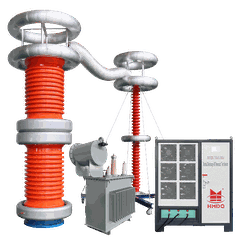


Hey there! As a supplier of VLF hipot testers, I often get asked the question: "How often should a VLF hipot tester be calibrated?" It's a crucial query, and today, I'm gonna break it down for you.
First off, let's understand what calibration is all about. Calibration is the process of comparing a measuring instrument (in this case, our VLF hipot tester) against a known standard to ensure its accuracy. A VLF hipot tester is used to test the integrity of electrical insulation in cables and other equipment. If it's not calibrated correctly, the test results can be inaccurate, which could lead to false positives or negatives, and that's a big no - no in the electrical testing world.
Now, there's no one - size - fits - all answer to how often calibration should be done. Several factors come into play.
Manufacturer's Recommendations
The first place to look is the manufacturer's guidelines. Every VLF hipot tester we supply comes with a manual that usually has some recommendations on calibration intervals. Most manufacturers suggest an initial calibration upon purchase and then subsequent calibrations at regular intervals, typically once a year or every two years. This is a good starting point because the manufacturers know their products inside out. They've done the testing and research to figure out how the tester's performance degrades over time under normal operating conditions.
Frequency of Use
How often you use your VLF hipot tester matters a great deal. If you're using it on a daily basis in a busy electrical testing facility, it's likely to experience more wear and tear compared to one that's used only a few times a year. For high - usage testers, I'd recommend calibrating them at least once a year. The constant use can cause components to shift or degrade, and regular calibration helps catch any inaccuracies early on.
On the other hand, if your tester is used sporadically, say, for special projects or only a handful of times a year, you might be able to stretch the calibration interval to every two years. But keep in mind that even if it's not used often, environmental factors can still affect its performance.
Environmental Conditions
The environment where the VLF hipot tester is stored and used plays a huge role. Extreme temperatures, high humidity, and exposure to dust or chemicals can all impact the accuracy of the tester. For example, if you're using the tester in a hot and humid industrial environment, the internal components might corrode or expand/contract due to temperature changes. In such cases, I'd suggest calibrating the tester more frequently, perhaps every six months.


If the tester is stored in a controlled environment, like a climate - controlled storage room, and used in similar conditions, the calibration interval can be a bit longer. But you still need to keep an eye on it, especially if there are any sudden changes in the environment.
Industry Standards and Regulations
Different industries have their own standards and regulations regarding calibration. In some sectors, like the power generation or aerospace industries, strict calibration schedules are often mandated by regulatory bodies. These industries deal with high - voltage systems where the safety and reliability of electrical equipment are of utmost importance. So, if you're working in one of these industries, you'll likely need to calibrate your VLF hipot tester more frequently, often annually or even semi - annually.
Signs That Your Tester Needs Calibration
Even if you're following a regular calibration schedule, there are some signs that your VLF hipot tester might need calibration sooner. If you notice inconsistent test results, such as significant variations in the measured voltage or current values during repeated tests on the same sample, it's a red flag. Also, if the tester starts to behave erratically, like showing error messages or having difficulty powering on or off, it could be a sign of calibration issues.
Now, let's talk about the benefits of regular calibration. Firstly, it ensures the accuracy of your test results. When you're testing electrical insulation, you need to be confident that the results are reliable. This helps in making informed decisions about the condition of the equipment and whether it needs maintenance or replacement.
Secondly, regular calibration can extend the lifespan of your VLF hipot tester. By catching and correcting any issues early on, you can prevent further damage to the internal components. This means you won't have to replace the tester as often, saving you money in the long run.
Thirdly, it helps you stay compliant with industry standards and regulations. Failing to calibrate your tester as required can result in fines or legal issues, especially in industries with strict safety and quality requirements.
If you're in the market for a new VLF hipot tester, we've got some great options. Check out our [50kV VLF Hipot Tester](/high - voltage - testing - equipment/vlf - hipot - tester/50kv - vlf - hipot - tester.html) and [VLF Hipot Tester with Tan Delta Measurement](/high - voltage - testing - equipment/vlf - hipot - tester/vlf - hipot - tester - with - tan - delta - measurement.html). These testers are built to last and provide accurate results.
In conclusion, determining how often to calibrate your VLF hipot tester depends on multiple factors. It's a balance between following the manufacturer's recommendations, considering your usage frequency and environmental conditions, and meeting industry standards. If you're unsure about the calibration interval for your specific situation, don't hesitate to reach out to us. We're here to help you make the right decision and keep your electrical testing operations running smoothly. Whether you're a small electrical contractor or a large industrial facility, we've got the expertise and the products to meet your needs. So, if you're interested in purchasing a VLF hipot tester or have any questions about calibration, feel free to contact us for a friendly chat and a no - obligation quote.
References
- Electrical Testing Handbook, 3rd Edition
- Manufacturer's Manuals for VLF Hipot Testers
- Industry Standards for Electrical Testing Equipment


