

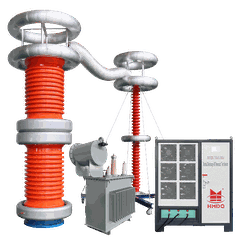

As a supplier of AC Resonant Test Systems for CVT, I've seen firsthand the importance of ensuring continuous operation of these systems. A backup power source is a crucial component in achieving this goal, and in this blog post, I'll share some tips on how to make sure your AC Resonant Test System for CVT keeps running smoothly, even when the main power goes out.
Understanding the Need for a Backup Power Source
Before we dive into the details of ensuring continuous operation, let's talk about why a backup power source is so important. An AC Resonant Test System for CVT is a complex piece of equipment that requires a stable power supply to function properly. Any interruption in the power can cause the test to fail, leading to delays, additional costs, and potential safety risks.
A backup power source provides a reliable alternative to the main power supply, ensuring that the test system can continue to operate even during a power outage. This is especially important in industries where downtime can have a significant impact on productivity and profitability, such as the electrical power generation, transmission, and distribution sectors.
Choosing the Right Backup Power Source
The first step in ensuring continuous operation of your AC Resonant Test System for CVT is to choose the right backup power source. There are several options available, each with its own advantages and disadvantages. Here are some of the most common types of backup power sources:
- Uninterruptible Power Supply (UPS): A UPS is a battery-powered device that provides temporary power to the test system in the event of a power outage. It can be used to keep the system running for a short period of time, allowing you to safely shut down the equipment or transfer to an alternative power source. UPS systems are available in a range of sizes and capacities, so you can choose one that meets the specific needs of your test system.
- Generator: A generator is a more powerful backup power source that can provide continuous power to the test system for an extended period of time. Generators can be powered by diesel, gasoline, or natural gas, and they are available in a range of sizes and capacities. When choosing a generator, it's important to consider factors such as the power requirements of your test system, the runtime of the generator, and the noise level.
- Fuel Cell: A fuel cell is a clean and efficient backup power source that uses hydrogen or other fuels to generate electricity. Fuel cells are quiet, reliable, and produce zero emissions, making them an ideal choice for environmentally sensitive applications. However, they can be more expensive than other types of backup power sources, and they require a dedicated fuel supply.
When choosing a backup power source, it's important to consider the specific needs of your test system, as well as your budget and the availability of fuel or other resources. It's also a good idea to consult with a professional electrical engineer or power systems expert to ensure that you choose the right backup power source for your needs.
Installing and Maintaining the Backup Power Source
Once you've chosen the right backup power source for your AC Resonant Test System for CVT, the next step is to install and maintain it properly. Here are some tips to help you ensure that your backup power source is installed and maintained correctly:
- Follow the Manufacturer's Instructions: When installing the backup power source, it's important to follow the manufacturer's instructions carefully. This will ensure that the system is installed correctly and that it operates safely and efficiently.
- Test the Backup Power Source Regularly: It's important to test the backup power source regularly to ensure that it is working properly. This can be done by simulating a power outage and verifying that the backup power source kicks in automatically and provides the necessary power to the test system.
- Maintain the Backup Power Source: Regular maintenance is essential to ensure that the backup power source operates safely and efficiently. This includes tasks such as checking the battery level, inspecting the generator for leaks or damage, and replacing any worn or damaged components.
- Keep Spare Parts on Hand: It's a good idea to keep spare parts on hand for the backup power source, such as batteries, filters, and belts. This will ensure that you can quickly replace any worn or damaged components and minimize downtime in the event of a failure.
Integrating the Backup Power Source with the Test System
In addition to installing and maintaining the backup power source, it's also important to integrate it with the test system properly. This will ensure that the backup power source can provide the necessary power to the test system and that the system can continue to operate smoothly during a power outage. Here are some tips to help you integrate the backup power source with the test system:
- Use a Transfer Switch: A transfer switch is a device that automatically switches the test system from the main power supply to the backup power source in the event of a power outage. It's important to choose a transfer switch that is compatible with the backup power source and the test system, and to install it correctly.
- Configure the Test System: It's important to configure the test system to work with the backup power source. This may include adjusting the power settings, setting up the transfer switch, and testing the system to ensure that it operates correctly.
- Train Your Staff: It's important to train your staff on how to use the backup power source and the transfer switch. This will ensure that they can quickly and safely switch the test system to the backup power source in the event of a power outage.
Conclusion
Ensuring continuous operation of an AC Resonant Test System for CVT with a backup power source is essential for industries that rely on these systems to test and verify the performance of electrical equipment. By choosing the right backup power source, installing and maintaining it properly, and integrating it with the test system, you can ensure that your test system can continue to operate smoothly even during a power outage.


If you're in the market for an AC Resonant Test System for CVT or a backup power source, I encourage you to check out our Variable Frequency AC Resonant Test System, AC Resonant Test System for CVT, and HV Cable AC Resonant Tester. Our products are designed to provide reliable, accurate, and efficient testing solutions for a wide range of applications.
If you have any questions or would like to learn more about our products, please don't hesitate to contact us. We'd be happy to help you find the right solution for your needs.
References
- Electrical Power Systems: Design, Operation, and Control by Ali Abur and Mehmet E. Üstün
- Power System Protection and Switchgear by J. R. Lucas
- Uninterruptible Power Supplies: Principles and Applications by R. S. B. Arulampalam