

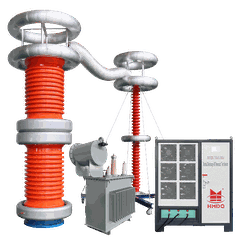

As a supplier of Cascade Test Transformers, I understand the critical role that electromagnetic compatibility (EMC) plays in the performance and reliability of these essential testing devices. In this blog post, I'll share some practical strategies and insights on how to improve the electromagnetic compatibility of Cascade Test Transformers, ensuring they operate efficiently and safely in various environments.
Understanding Electromagnetic Compatibility
Before delving into the solutions, it's important to understand what electromagnetic compatibility means. EMC refers to the ability of an electrical or electronic device to function properly in its electromagnetic environment without causing interference to other devices. In the context of Cascade Test Transformers, EMC is crucial because these transformers generate high voltages and currents, which can produce electromagnetic fields that may interfere with other equipment or be susceptible to external electromagnetic interference.
Common Sources of Electromagnetic Interference (EMI)
There are several sources of EMI that can affect Cascade Test Transformers. These include:
- Switching Transients: When the transformer is switched on or off, rapid changes in current and voltage can generate high - frequency transients. These transients can radiate electromagnetic energy and cause interference.
- Harmonics: Non - linear loads connected to the transformer can introduce harmonics into the electrical system. Harmonics are multiples of the fundamental frequency and can cause additional electromagnetic emissions.
- External Electromagnetic Fields: Transformers can be affected by external electromagnetic fields from sources such as radio transmitters, power lines, and other electrical equipment. These external fields can induce unwanted voltages and currents in the transformer, leading to performance degradation.
Strategies to Improve Electromagnetic Compatibility
1. Proper Shielding
Shielding is one of the most effective ways to reduce electromagnetic emissions and protect the transformer from external interference. A well - designed shield can prevent the leakage of electromagnetic fields from the transformer and block external fields from entering.
- Metal Enclosures: Using a metal enclosure for the Cascade Test Transformer can provide a physical barrier against electromagnetic radiation. The metal enclosure should be grounded properly to ensure that any induced currents are safely conducted to the ground.
- Shielded Cables: All cables connected to the transformer should be shielded. Shielded cables can reduce the radiation of electromagnetic energy along the cable and protect the signals carried by the cable from external interference. For example, using coaxial cables with a grounded outer conductor can effectively minimize EMI.
2. Filtering
Filtering can be used to suppress unwanted frequencies and reduce electromagnetic interference.
- Input and Output Filters: Installing input and output filters on the transformer can help to remove high - frequency noise and harmonics. These filters can be designed to allow only the desired frequencies to pass through, while blocking unwanted frequencies. For instance, a low - pass filter can be used to block high - frequency transients from entering or leaving the transformer.
- Power Line Filters: Power line filters can be used to reduce the interference between the transformer and the power grid. These filters can suppress conducted EMI on the power lines, ensuring a clean power supply to the transformer.
3. Grounding
Proper grounding is essential for EMC. A good grounding system can provide a low - impedance path for the flow of electrical currents, reducing the risk of electromagnetic interference.
- Single - Point Grounding: Adopting a single - point grounding scheme can help to minimize ground loops, which can be a source of EMI. In a single - point grounding system, all grounding conductors are connected to a single point, usually a grounding busbar.
- Grounding Electrodes: Ensure that the grounding electrodes are properly installed and have a low resistance to the ground. This can be achieved by using multiple grounding electrodes and connecting them in parallel to reduce the overall grounding resistance.
4. Circuit Design Optimization
The design of the internal circuits of the Cascade Test Transformer can also have a significant impact on its EMC performance.
- Component Placement: Place components in a way that minimizes the length of high - current and high - voltage traces. Short traces can reduce the radiation of electromagnetic energy. Additionally, keep sensitive components away from sources of interference, such as switching elements.
- Layout Design: Use a proper layout design for the printed circuit boards (PCBs) in the transformer. For example, separate power and signal traces to reduce cross - talk between them. Use ground planes on the PCBs to provide a low - impedance return path for currents.
5. Testing and Certification
Regular testing and certification are important to ensure that the Cascade Test Transformer meets the required EMC standards.
- EMC Testing: Conduct EMC testing during the design and manufacturing process. This can include radiated emission testing, conducted emission testing, and immunity testing. By identifying and addressing EMC issues early in the process, you can avoid costly re - design and production delays.
- Certification: Obtain relevant EMC certifications for the transformer. Certifications such as CE, FCC, and CISPR indicate that the transformer meets the international EMC standards and can be used in various markets without causing electromagnetic interference.
Related Products for EMC Testing
In addition to improving the EMC of Cascade Test Transformers, having the right testing equipment is also crucial. We offer a range of high - quality testing equipment, including the Portable Hipot Tester, 200kV/2mA DC Hipot Tester, and Triple - Frequency Voltage Tester. These testers can help you accurately measure and evaluate the performance of your transformers in terms of EMC.


Conclusion
Improving the electromagnetic compatibility of Cascade Test Transformers is a multi - faceted process that requires a combination of proper shielding, filtering, grounding, circuit design optimization, and testing. By implementing these strategies, you can ensure that your transformers operate reliably in various electromagnetic environments, reducing the risk of interference and improving overall system performance.
If you are interested in our Cascade Test Transformers or related testing equipment, we welcome you to contact us for procurement and further technical discussions. Our team of experts is ready to provide you with professional advice and support to meet your specific needs.
References
- "Electromagnetic Compatibility Engineering" by Henry W. Ott
- "Power System Harmonics and Passive Filter Design" by Hingorani, N. G. and Gyugyi, L.
- International Electrotechnical Commission (IEC) standards related to electromagnetic compatibility.