

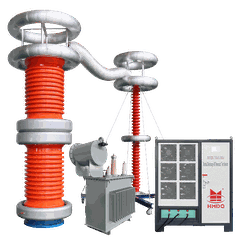

Proper storage of an AC resonance test system is crucial to maintain its performance, extend its lifespan, and ensure reliable operation when needed. As a supplier of AC resonance test systems, I understand the significance of providing guidance on this topic. In this blog post, I will share some essential tips on how to store an AC resonance test system properly.
1. Choose the Right Storage Environment
The first step in proper storage is selecting an appropriate environment. The storage area should be clean, dry, and well - ventilated. Humidity can cause corrosion of electrical components and damage to insulation materials. A relative humidity level between 30% and 60% is ideal.
Extreme temperatures can also have a negative impact on the test system. High temperatures can lead to overheating of components during storage, which may cause premature aging. On the other hand, very low temperatures can make some materials brittle. The storage temperature should be maintained between 10°C and 30°C.

It is also important to protect the test system from dust, dirt, and other contaminants. A dedicated storage room or cabinet can be used to keep the system away from sources of pollution. If possible, the storage area should be located away from industrial areas or construction sites where dust and debris are more likely to be present.
2. Clean the System Before Storage
Before storing the AC resonance test system, it is essential to clean it thoroughly. Start by removing any dirt, dust, or debris from the exterior of the equipment using a soft, dry cloth. For hard - to - reach areas, a can of compressed air can be used to blow out the dust.
If there are any stains or marks on the surface, a mild cleaning solution can be used. However, make sure to avoid using abrasive cleaners or solvents that could damage the finish of the equipment.
For the internal components, if possible, follow the manufacturer's instructions for opening the system and cleaning. Some components may require special cleaning procedures, such as the use of anti - static brushes to clean circuit boards.
3. Disconnect and Secure Components
When storing the AC resonance test system, all electrical connections should be disconnected. This includes power cords, test leads, and any other cables. Carefully label each cable and connection point to ensure easy reassembly when the system is taken out of storage.
Loose components, such as probes or sensors, should be stored in a safe place. They can be placed in labeled plastic bags or containers to prevent them from getting lost or damaged.
The system should be secured in place to prevent it from moving or being knocked over during storage. If the test system is large, it may be necessary to use straps or brackets to hold it in position.
4. Protect Against Electrical Damage
To protect the AC resonance test system from electrical damage during storage, it is advisable to use a surge protector. A surge protector can prevent voltage spikes from reaching the equipment, which could damage sensitive electronic components.
If the storage area is prone to power outages or fluctuations, consider using an uninterruptible power supply (UPS). A UPS can provide temporary power to the system in case of a power failure, allowing for a safe shutdown and protecting the equipment from sudden power loss.
5. Perform Regular Inspections
Even during storage, the AC resonance test system should be inspected regularly. Check for any signs of damage, such as cracks, corrosion, or loose connections. Inspect the cables for any signs of wear or fraying.
If any issues are detected during the inspection, they should be addressed immediately. Minor problems can often be fixed easily, but ignoring them can lead to more significant issues in the future.
6. Document the Storage Process
Keep a detailed record of the storage process. This includes the date when the system was stored, the condition of the equipment at the time of storage, and any maintenance or cleaning procedures that were performed.

This documentation can be useful for future reference. It can help determine if any issues that arise after storage are related to the storage conditions or if they are pre - existing problems.
7. Different Types of AC Resonance Test Systems and Their Storage Considerations
We offer a variety of AC resonance test systems, such as the [Variable Frequency AC Resonant Test System](/high - voltage - testing - equipment/ac - resonance - test - system/variable - frequency - ac - resonant - test - system.html), [AC Resonant Test System with PD](/high - voltage - testing - equipment/ac - resonance - test - system/ac - resonant - test - system - with - pd.html), and [HV Cable AC Resonant Tester](/high - voltage - testing - equipment/ac - resonance - test - system/hv - cable - ac - resonant - tester.html). Each type may have specific storage requirements.
- Variable Frequency AC Resonant Test System: This system often contains complex electronic components for frequency control. Special attention should be paid to protecting these components from electrostatic discharge. Anti - static mats or bags can be used when handling and storing the system.
- AC Resonant Test System with PD: The partial discharge (PD) measurement function of this system requires high - precision sensors. These sensors should be stored in a way that protects them from mechanical shock and vibration. A padded storage case may be necessary.
- HV Cable AC Resonant Tester: Since this tester is often used for testing high - voltage cables, it may have large and heavy components. Proper lifting and handling procedures should be followed during storage to prevent damage to the equipment and injury to personnel.
Conclusion
Proper storage of an AC resonance test system is an important aspect of maintaining its performance and reliability. By following the tips mentioned above, you can ensure that your test system remains in good condition during storage and is ready for use when needed.
If you are in the market for an AC resonance test system or need further advice on storage and maintenance, we are here to help. Our team of experts can provide you with the best solutions tailored to your specific needs. Contact us to start a discussion about your requirements and explore the possibilities of enhancing your testing capabilities with our high - quality AC resonance test systems.
References
- Electrical Equipment Storage Guidelines, Industry Standard Publication
- Manufacturer's Manuals for AC Resonance Test Systems