

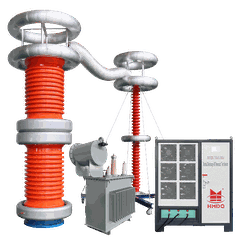

Hey there! As a supplier of AC resonance test systems, I've seen firsthand how crucial these systems are in the electrical testing world. But with great power comes great responsibility, right? That's why today, I'm gonna talk about the safety precautions you should take when using an AC resonance test system.
1. Pre - Test Safety Checks
Before you even think about firing up the AC resonance test system, there are some essential pre - test checks you need to do.
Equipment Inspection
First off, give the whole system a thorough once - over. Check the Variable Frequency Power Supply for any visible signs of damage like cracks, frayed wires, or loose connections. A damaged power supply can not only mess up your test results but also pose a serious safety hazard.
Next, take a look at the AC Resonant Test Set. Make sure all the components are in good working order. Check the insulation of the cables and make sure they're properly connected. Any loose or damaged cables can lead to electrical arcing, which is extremely dangerous.


Also, don't forget about the Compensation Capacitor Of Resonant Test Set. Inspect it for any signs of leakage or physical damage. A faulty capacitor can cause the system to malfunction and potentially harm you.
Environmental Assessment
The environment where you're conducting the test matters a lot. Make sure the area is clean and dry. Moisture can conduct electricity and increase the risk of electrical shock. Also, keep the test area well - ventilated, especially if you're using equipment that generates heat.
Check for any flammable or explosive materials in the vicinity. High - voltage electrical equipment can produce sparks, and if there are flammable substances around, it could lead to a fire or explosion.
2. Personal Protective Equipment (PPE)
Wearing the right PPE is non - negotiable when working with an AC resonance test system.
Insulated Gloves
Insulated gloves are a must. They protect you from electrical shock. Make sure the gloves are rated for the voltage you'll be working with. Before each use, inspect the gloves for any cuts, punctures, or signs of wear. If they're damaged, don't use them.
Safety Glasses
Safety glasses protect your eyes from any flying debris or sparks that might be generated during the test. They're a simple but effective way to prevent eye injuries.
Flame - Resistant Clothing
Flame - resistant clothing can protect you in case of an electrical arc or fire. It reduces the risk of burns and gives you some extra time to get to safety if something goes wrong.
3. During the Test
Once you've completed the pre - test checks and are wearing your PPE, it's time to start the test. But there are still some safety precautions to keep in mind.
Monitoring
Keep a close eye on the test system throughout the test. Watch the meters and indicators to make sure everything is operating within the normal range. If you notice any abnormal readings, like a sudden spike in voltage or current, stop the test immediately.
Avoiding Contact
Don't touch any live parts of the system while the test is in progress. Even if you're wearing insulated gloves, it's still a good idea to keep your hands away from the high - voltage areas.
Emergency Stop
Know where the emergency stop button is and how to use it. In case of an emergency, you need to be able to shut down the system quickly.
4. Post - Test Safety
After the test is over, there are still some safety steps you need to take.
Discharging the System
Before you start disassembling the system, make sure to discharge all the capacitors and other energy - storing components. This reduces the risk of electrical shock. Follow the manufacturer's instructions on how to properly discharge the system.
Equipment Storage
Store the equipment in a safe and dry place. Make sure it's protected from dust, moisture, and physical damage. Proper storage will help extend the lifespan of the equipment and keep it in good working condition for future tests.
5. Training and Certification
It's not enough to just know the safety precautions; you need to be properly trained to use the AC resonance test system.
Training Programs
Enroll in a training program that covers the operation and safety of the AC resonance test system. A good training program will teach you how to use the equipment correctly, how to perform safety checks, and what to do in case of an emergency.
Certification
Get certified to use the equipment. Certification shows that you have the knowledge and skills to operate the system safely. It also gives your clients confidence in your abilities.
6. Maintenance and Calibration
Regular maintenance and calibration of the AC resonance test system are essential for safety.
Maintenance Schedule
Follow a regular maintenance schedule. This includes cleaning the equipment, tightening loose connections, and replacing worn - out parts. Regular maintenance helps prevent equipment failures and reduces the risk of accidents.
Calibration
Calibrate the equipment regularly. Calibration ensures that the system is providing accurate test results. An uncalibrated system can give false readings, which can lead to incorrect decisions about the electrical equipment being tested.
Conclusion
Using an AC resonance test system can be a safe and effective way to test electrical equipment, but only if you take the right safety precautions. From pre - test checks to post - test storage, every step of the process is important.
If you're in the market for an AC resonance test system or have any questions about safety precautions, don't hesitate to reach out. We're here to help you make the right choice and ensure that you can use the equipment safely and effectively.
References
- Electrical Safety Standards Handbook
- Manufacturer's Manuals for AC Resonance Test Systems