


As a supplier of Breakdown Voltage Test Equipment, I understand the critical role that accurate analysis of test results plays in ensuring the reliability and safety of electrical systems. Breakdown voltage testing is a fundamental process in assessing the insulation integrity of various electrical components, and the ability to interpret the test results effectively can prevent potential failures and hazards. In this blog post, I will share some insights on how to analyze the test results of breakdown voltage test equipment.
Understanding the Basics of Breakdown Voltage Testing
Before delving into the analysis of test results, it is essential to have a clear understanding of the breakdown voltage testing process. Breakdown voltage, also known as dielectric strength, is the minimum voltage required to cause a breakdown of the insulation material, resulting in a significant flow of current through the material. During a breakdown voltage test, a gradually increasing voltage is applied to the test specimen until a breakdown occurs.
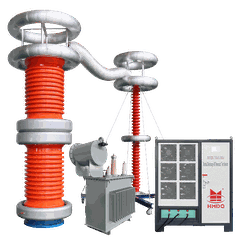
The test equipment typically consists of a power source, a voltage regulator, a test transformer, and measurement instruments. The power source provides the electrical energy, the voltage regulator controls the applied voltage, the test transformer steps up the voltage to the required level, and the measurement instruments record the voltage and current values during the test.
Key Parameters to Consider in Test Result Analysis
When analyzing the test results of breakdown voltage test equipment, several key parameters need to be considered:
1. Breakdown Voltage Value
The breakdown voltage value is the most critical parameter in the test results. It indicates the maximum voltage that the insulation material can withstand without breaking down. A higher breakdown voltage value generally indicates better insulation performance. However, it is important to compare the measured breakdown voltage with the specified requirements for the particular application. If the measured breakdown voltage is lower than the specified value, it may indicate a problem with the insulation material, such as contamination, aging, or mechanical damage.
2. Breakdown Current
The breakdown current is the current that flows through the insulation material after the breakdown occurs. It provides information about the severity of the breakdown. A high breakdown current may indicate a more severe breakdown, which could potentially cause damage to the test specimen or the test equipment. Monitoring the breakdown current during the test can help detect abnormal breakdowns and prevent equipment damage.
3. Voltage Rise Rate
The voltage rise rate is the rate at which the applied voltage increases during the test. It can affect the breakdown voltage value. A faster voltage rise rate may result in a higher breakdown voltage value, as the insulation material may not have enough time to break down. On the other hand, a slower voltage rise rate may allow the insulation material to break down at a lower voltage. Therefore, it is important to follow the recommended voltage rise rate specified in the test procedure to ensure accurate and reproducible test results.


4. Test Duration
The test duration is the time for which the voltage is applied to the test specimen. It can also affect the breakdown voltage value. A longer test duration may increase the likelihood of breakdown, especially if the insulation material is exposed to high voltage for an extended period. Therefore, it is important to limit the test duration to the specified value to avoid unnecessary stress on the insulation material.
Analyzing the Test Results
Once the test is completed, the next step is to analyze the test results. Here are some steps to follow:
1. Review the Test Data
Carefully review the recorded test data, including the breakdown voltage value, breakdown current, voltage rise rate, and test duration. Check for any abnormal values or trends in the data. For example, if the breakdown voltage value is significantly lower than expected, or if the breakdown current is unusually high, it may indicate a problem with the test specimen or the test equipment.
2. Compare with Specified Requirements
Compare the measured breakdown voltage value with the specified requirements for the particular application. If the measured value meets or exceeds the specified requirements, the insulation material can be considered acceptable. However, if the measured value is lower than the specified requirements, further investigation is needed to determine the cause of the problem.
3. Look for Patterns or Trends
Look for patterns or trends in the test data over multiple tests. If the breakdown voltage values are consistently lower than expected, or if there is a gradual decrease in the breakdown voltage values over time, it may indicate a problem with the insulation material or the test equipment. Analyzing the patterns or trends can help identify potential issues early and take appropriate corrective actions.
4. Consider Environmental Factors
Consider the environmental factors that may have affected the test results. Temperature, humidity, and contamination can all have an impact on the insulation performance. For example, high humidity can reduce the breakdown voltage value, while contamination can cause local breakdowns. If the test was conducted under non-standard environmental conditions, it is important to take these factors into account when analyzing the test results.
Using Our Breakdown Voltage Test Equipment
At our company, we offer a wide range of high-quality breakdown voltage test equipment, including Power Frequency withstand Voltage Control Box, Automatic Power Frequency Tester, and Inflatable Test Transformer 5kVA 100KV. Our equipment is designed to provide accurate and reliable test results, and it is equipped with advanced features for easy operation and data analysis.
Our Power Frequency withstand Voltage Control Box allows for precise control of the applied voltage, ensuring accurate and reproducible test results. The Automatic Power Frequency Tester automates the test process, reducing the risk of human error and increasing the efficiency of the testing. The Inflatable Test Transformer 5kVA 100KV provides a high-voltage output for testing large-capacity insulation materials.
Conclusion
Analyzing the test results of breakdown voltage test equipment is a crucial step in ensuring the reliability and safety of electrical systems. By carefully considering the key parameters, reviewing the test data, comparing with specified requirements, looking for patterns or trends, and taking environmental factors into account, accurate and meaningful conclusions can be drawn from the test results.
If you are in need of high-quality breakdown voltage test equipment or have any questions about test result analysis, please feel free to contact us. We are committed to providing our customers with the best products and services, and we look forward to discussing your specific needs and requirements.
References
- Electrical Insulation Testing Handbook, IEEE Press
- High Voltage Testing Techniques, CIGRE Technical Brochure