

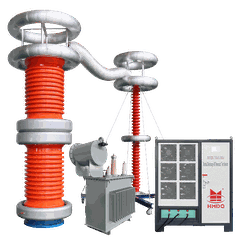

Hey there! As a supplier of AC Resonant Test Sets, I've been getting a lot of questions about the electromagnetic compatibility (EMC) characteristics of these nifty pieces of equipment. So, I thought I'd take a deep - dive into this topic and share some insights with you.
First off, let's understand what EMC is all about. Electromagnetic compatibility refers to the ability of an electrical or electronic device to operate as intended within its electromagnetic environment without causing unacceptable electromagnetic interference to other devices in that same environment. In simpler terms, it's about making sure that our AC Resonant Test Sets play nice with other equipment around them.
EMC Characteristics of AC Resonant Test Sets
1. Emission Characteristics
AC Resonant Test Sets can generate electromagnetic emissions during their operation. These emissions can be in the form of radiated electromagnetic fields or conducted emissions on power lines and signal cables.
Radiated emissions occur when the test set's electrical circuits and components act as antennas, radiating electromagnetic energy into the surrounding space. This can be a concern, especially in environments where there are sensitive electronic devices nearby. For example, in a laboratory setting where there are other high - precision measurement instruments, the radiated emissions from an AC Resonant Test Set could potentially interfere with their operation.
Conducted emissions, on the other hand, are carried along power lines and signal cables. These emissions can travel through the electrical network and affect other devices connected to the same network. To mitigate these emissions, we use various techniques such as shielding and filtering.
Shielding involves enclosing the sensitive parts of the test set in a conductive material, like metal. This material acts as a barrier, preventing the electromagnetic fields from escaping. For example, the power supply unit of our AC Resonant Test Sets is often shielded to reduce radiated emissions.
Filtering is another effective method. We install filters on the power lines and signal cables to block or attenuate the unwanted frequencies. These filters are designed to allow the desired frequencies to pass through while blocking the high - frequency noise that can cause interference.
2. Immunity Characteristics
Just as our AC Resonant Test Sets can emit electromagnetic energy, they also need to be immune to the electromagnetic interference from other sources. Immunity refers to the ability of the test set to continue operating correctly in the presence of electromagnetic disturbances.
There are several types of electromagnetic disturbances that the test set might encounter. One common type is electrostatic discharge (ESD). This can occur when a person touches the test set or when there is a sudden build - up and release of static electricity in the environment. ESD can cause damage to the electronic components of the test set or disrupt its normal operation.
To improve the immunity of our test sets against ESD, we use special ESD protection circuits. These circuits are designed to divert the high - voltage pulses caused by ESD away from the sensitive components, protecting them from damage.
Another type of disturbance is radio - frequency interference (RFI). RFI can come from various sources, such as radio transmitters, mobile phones, and other electronic devices. Our AC Resonant Test Sets are designed with proper grounding and shielding to reduce the impact of RFI. Grounding provides a low - impedance path for the electromagnetic currents, while shielding blocks the incoming RFI signals.
Importance of EMC in AC Resonant Test Sets
EMC is crucial for the reliable operation of AC Resonant Test Sets. In high - voltage testing applications, such as testing HV Cable AC Resonant Tester, any electromagnetic interference can lead to inaccurate test results. For example, if the test set is affected by external electromagnetic noise, it might misinterpret the signals from the cable under test, leading to false readings.
In addition, compliance with EMC standards is often a requirement in many industries. Regulatory bodies around the world have set strict EMC standards to ensure the safety and proper functioning of electrical and electronic equipment. By ensuring that our AC Resonant Test Sets meet these standards, we can provide our customers with products that are reliable and legally compliant.
Our Solutions for EMC
As a supplier, we take EMC very seriously. We conduct extensive EMC testing during the design and manufacturing process of our AC Resonant Test Sets. This includes both radiated and conducted emission testing, as well as immunity testing against various types of electromagnetic disturbances.
We also use advanced design techniques to improve the EMC performance of our products. For example, we carefully layout the printed circuit boards (PCBs) to minimize the electromagnetic coupling between different components. We also use high - quality components that have better EMC characteristics.
Our Container AC Resonant Test System is a great example of our commitment to EMC. This system is designed to be used in various environments, and we've taken extra steps to ensure its EMC performance. The container itself provides an additional layer of shielding, reducing the radiated emissions and protecting the system from external interference.


The Capacitor Divider Of Resonant Test Set is another component where EMC is carefully considered. We've designed the capacitor divider to have low electromagnetic emissions and high immunity to external interference, ensuring accurate voltage measurement during the testing process.
Conclusion
In conclusion, the EMC characteristics of AC Resonant Test Sets are of utmost importance. They determine the reliability of the test set, the accuracy of the test results, and the compliance with regulatory standards. As a supplier, we're constantly working to improve the EMC performance of our products through advanced design, testing, and the use of high - quality components.
If you're in the market for an AC Resonant Test Set and are concerned about EMC, we'd love to have a chat with you. Our team of experts can provide you with more detailed information about our products' EMC characteristics and how they can meet your specific requirements. Whether you're testing high - voltage cables or need a container - based test system, we've got the solutions for you. So, don't hesitate to reach out and start a conversation about your procurement needs.
References
- International Electrotechnical Commission (IEC) standards on electromagnetic compatibility.
- IEEE publications on high - voltage testing and electromagnetic interference.