
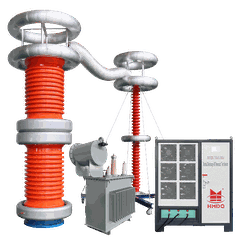

Hey there! As a supplier of VLF hipot testers, I often get asked about the power consumption of these nifty devices. So, I thought I'd take a deep dive into this topic and share some insights with you.


First off, let's quickly go over what a VLF hipot tester is. VLF stands for Very Low Frequency. These testers are used to perform dielectric withstand and insulation tests on electrical cables and other high - voltage equipment. They're a great alternative to traditional 50/60 Hz hipot testing because they're more portable, easier to use, and can be just as effective.
Now, onto the main question: What's the power consumption of a VLF hipot tester? Well, the power consumption of a VLF hipot tester can vary quite a bit depending on several factors.
Factors Affecting Power Consumption
1. Output Voltage
The higher the output voltage of the VLF hipot tester, the more power it generally consumes. For example, a 50kV VLF Hipot Tester will typically use more power than a lower voltage model. This is because generating a higher voltage requires more energy. The internal components of the tester, such as the transformer and the power supply, have to work harder to produce that higher voltage, which in turn increases the power draw.
2. Load Characteristics
The type of load being tested also plays a role in power consumption. If you're testing a cable with a high capacitance, the VLF hipot tester will need to supply more energy to charge and discharge the cable during the test. Capacitive loads can cause the tester to draw more current, which directly impacts power consumption. On the other hand, a cable with a lower capacitance will require less energy, resulting in lower power consumption.
3. Test Duration
The length of the test is another important factor. Obviously, the longer the test, the more power the tester will consume. If you're running a series of long - duration tests, you'll notice a significant increase in power usage compared to shorter tests. This is something to keep in mind when planning your testing schedule, especially if you're working in a location where power is limited or expensive.
4. Efficiency of the Tester
The efficiency of the VLF hipot tester itself can vary from one model to another. A more efficient tester will convert a higher percentage of the input power into useful output power for the test. Testers with advanced power management systems and high - quality components tend to be more efficient, which means they consume less power overall. For instance, some modern VLF hipot testers are designed with energy - saving features that automatically adjust the power consumption based on the test requirements.
Typical Power Consumption Ranges
It's difficult to give an exact figure for the power consumption of a VLF hipot tester because of the factors mentioned above. However, I can give you a general idea of the typical ranges.
For smaller, lower - voltage VLF hipot testers, the power consumption might be in the range of 100 - 300 watts. These are usually used for testing smaller cables or equipment with lower voltage requirements.
On the other hand, larger, high - voltage testers like the 50kV VLF Hipot Tester can have a power consumption of 500 watts or more. Some of the more advanced models with additional features, such as VLF Hipot Tester with Tan Delta Measurement, might consume even more power due to the extra processing and measurement capabilities.
Why Does Power Consumption Matter?
You might be wondering why power consumption is such a big deal when it comes to VLF hipot testers. Well, there are a few reasons.
1. Cost
Power consumption directly affects the operating cost of the tester. If you're running a lot of tests, a high - power - consuming tester can lead to significant electricity bills. By choosing a more energy - efficient model, you can save money in the long run.
2. Portability
For on - site testing, portability is crucial. A tester with high power consumption might require a larger power source, such as a big generator. This can make it more difficult to transport and set up the equipment. On the other hand, a low - power - consuming tester can be powered by a smaller, more portable power supply, like a battery pack or a small inverter.
3. Environmental Impact
In today's world, being environmentally friendly is important. Lower power consumption means less energy is being used, which in turn reduces the carbon footprint. By choosing an energy - efficient VLF hipot tester, you're not only saving money but also doing your part for the environment.
How to Minimize Power Consumption
If you're looking to reduce the power consumption of your VLF hipot tester, here are a few tips:
1. Choose the Right Tester
Make sure you select a tester that is appropriate for your testing needs. Don't go for a high - voltage, high - power model if you only need to test low - voltage equipment. This will help you avoid using more power than necessary.
2. Optimize Test Parameters
Try to keep the test duration as short as possible without compromising the accuracy of the results. Also, make sure you're using the correct test voltage for the load. Using a higher voltage than required will only increase power consumption.
3. Maintain Your Tester
Regular maintenance of your VLF hipot tester can help ensure that it operates at peak efficiency. This includes keeping the internal components clean, checking for loose connections, and replacing any worn - out parts. A well - maintained tester will consume less power and last longer.
Conclusion
So, there you have it! The power consumption of a VLF hipot tester depends on several factors, including output voltage, load characteristics, test duration, and the efficiency of the tester itself. By understanding these factors and taking steps to minimize power consumption, you can save money, improve portability, and reduce your environmental impact.
If you're in the market for a VLF hipot tester and want to learn more about our products' power consumption or any other features, don't hesitate to reach out. We're here to help you find the perfect tester for your needs. Whether you need a 50kV VLF Hipot Tester or a VLF Hipot Tester with Tan Delta Measurement, we've got you covered. Let's start a conversation and see how we can work together to meet your testing requirements.
References
- Electrical Testing Handbook, various publishers
- Technical specifications of VLF hipot testers from different manufacturers