

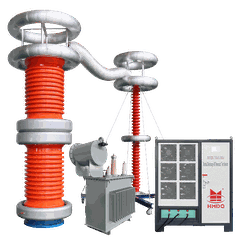

Yo, folks! As a supplier of HV Cable AC Resonant Testers, I often get asked about all sorts of technical stuff regarding these bad boys. One question that pops up quite a bit is, "What is the standby power consumption of an HV Cable AC Resonant Tester?" Well, let's dig into this topic and break it down in a way that's easy to understand.
First off, let's talk about what standby power consumption actually means. Standby power, also known as vampire power or phantom load, is the electricity used by an appliance or device when it's plugged in but not actively in use. You know how your TV might still use a little bit of power even when it's turned off but still plugged into the wall? That's standby power at work.
For an HV Cable AC Resonant Tester, standby power consumption is important for a few reasons. One, it affects the overall energy efficiency of the tester. In today's world, where we're all trying to be more energy - conscious, having a tester with low standby power can save a significant amount of electricity over time. Two, it can impact the operating costs. If the standby power consumption is high, it means you're paying more for electricity even when the tester isn't being used.
Now, the standby power consumption of an HV Cable AC Resonant Tester can vary depending on several factors. The first factor is the design and technology of the tester. Newer models often come with more advanced power management systems that can reduce standby power. For example, some testers use smart sensors to detect when the device is not in use and automatically switch to a low - power mode.
The components used in the tester also play a role. High - quality, energy - efficient components generally consume less standby power. For instance, a tester with a well - designed power supply unit will use less electricity in standby mode compared to one with a lower - quality power supply.
Another factor is the features and functions of the tester. Testers with more advanced features, like built - in displays, communication interfaces, and self - diagnostic systems, may consume more standby power. These features require a certain amount of power to keep them operational even when the main testing function is not in use.
On average, the standby power consumption of an HV Cable AC Resonant Tester can range from a few watts to tens of watts. However, this is just a rough estimate. Some basic models with minimal features might have a standby power consumption of around 2 - 5 watts. On the other hand, more advanced testers with a lot of bells and whistles could consume 10 - 30 watts or even more in standby mode.
If you're in the market for an HV Cable AC Resonant Tester and standby power consumption is a concern for you, here are a few things to look out for. First, check the product specifications. Most manufacturers will provide information about the standby power consumption in the product manual or on their website. Look for testers that specifically mention low standby power or energy - efficient design.
You can also ask the manufacturer or supplier directly. As a supplier, I'm always happy to provide detailed information about the standby power consumption of our testers. We want our customers to make an informed decision and choose a tester that meets their energy - efficiency needs.
Now, let me tell you a bit about the different types of HV Cable AC Resonant Testers we offer. We have the Vehicle - Mounted AC Resonant Tester. This is a great option if you need to perform tests on - the - go. It's designed to be installed in a vehicle, making it highly mobile. Despite its mobility, it's still very energy - efficient, with a relatively low standby power consumption.
We also have the Inductive Resonant Test System. This system is perfect for testing inductive loads and has some advanced features for accurate testing. And of course, we've made sure to keep the standby power consumption in check so that you're not wasting energy when it's not in use.
And then there's our AC Resonant Test Set. This is a versatile tester that can be used for a wide range of applications. It's designed with energy efficiency in mind, and its standby power consumption is optimized to save you money on electricity bills.
In conclusion, understanding the standby power consumption of an HV Cable AC Resonant Tester is crucial if you want to make an energy - efficient and cost - effective choice. By considering factors like design, components, and features, you can find a tester that meets your needs while keeping energy consumption low.
If you're interested in learning more about our HV Cable AC Resonant Testers or have any questions about standby power consumption, feel free to reach out. We're here to help you make the right decision for your testing requirements. Whether you're a small - scale operator or a large - scale industrial company, we have a tester that's perfect for you. So, don't hesitate to contact us for more information and to start the procurement process. Let's work together to find the best HV Cable AC Resonant Tester for your needs.


References
- Electrical Engineering Handbook, various editions
- Manufacturer's product manuals for HV Cable AC Resonant Testers