

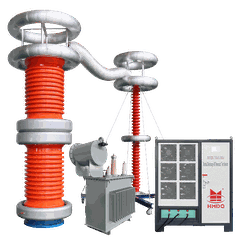



Principle of DC High-Voltage Generator for DC Withstand Voltage Testing

A DC high-voltage generator is used to perform DC withstand voltage tests, which evaluate the insulation integrity of electrical equipment such as cables and generator windings. This testing is based on the following principle:
Applying DC High Voltage: The generator applies a DC voltage to the test object that is several times higher than its normal operating voltage. This process typically lasts for a specific duration, ranging from several minutes to several hours, depending on the object being tested and relevant standards or regulations.
Monitoring leakage current: While the DC high voltage is applied, the minute leakage current flowing through the object under test is measured. Ideally, if the insulation condition of the object is excellent, almost no current will flow. However, if the insulation material has defects or aging issues, a significant leakage current will appear.
Analysis of Results: The insulation condition of the device under test is determined based on the measured leakage current magnitude. Generally, a smaller leakage current indicates good insulation performance; conversely, a larger current suggests potential faults requiring further inspection or corrective action.
Polarization Effect: It is noteworthy that applying DC voltage to certain types of insulating materials may exhibit a phenomenon known as "polarization"-where the leakage current gradually decreases as the voltage application time increases. This occurs due to internal charge redistribution within these materials. Therefore, when conducting such tests, it is sometimes necessary to account for this effect by adjusting test conditions or interpreting results accordingly.
In summary, DC withstand voltage testing provides an effective method for evaluating the insulation quality of various components in electrical systems, ensuring their safe and reliable operation. However, these tests must be performed in compliance with relevant standards and safety regulations to prevent injury to personnel or damage to equipment.


