




 I. Introduction
As a core technical means to evaluate the insulation performance and operational reliability of electrical equipment, the importance of high voltage partial discharge test is mainly reflected in the following aspects:
First, it is a critical inspection phase to ensure the safe operation of equipment. The non-destructive testing method, by applying an AC or DC electric field at rated voltage, can effectively detect whether there are any partial discharges (such as tiny cracks, insulation defects, or contamination issues) inside the equipment. If these potential defects are not promptly identified, they may lead to serious faults such as equipment breakdown or short circuits, and even cause power outages or safety risks.
Secondly, it serves as the core basis for verifying the electromagnetic compatibility of equipment. In normal operating scenarios of power equipment, the non-particle discharge test measures the electric and magnetic field signals around the device, combined with noise suppression technology to filter environmental interference. This provides stable and clear measurement results, thereby assessing the equipment's compatibility in complex electromagnetic environments and ensuring its stability when operating in coordination with other devices.
In addition, it is the foundation for enhancing the reliability of equipment throughout its entire lifecycle. Whether it's quality control during manufacturing or condition assessment during operation, partial discharge-free testing can detect subtle electrical signals (such as the "highly sensitive measurement system" mentioned in the search results) with precision, identifying manufacturing defects or degradation trends in advance. This provides data support for timely maintenance and design optimization, thereby extending the service life of the equipment and reducing maintenance costs.
To sum up, high voltage non-discharge test plays an irreplaceable role in ensuring equipment safety, improving operation reliability and reducing the whole cycle cost through the closed-loop mechanism of "inspection-evaluation-warning".
GTU high voltage no partial discharge test scheme has shown significant application value in many key industry links by virtue of its technical characteristics and functional advantages, which are embodied in the following aspects:
1. Core support for quality control in manufacturing
In the manufacturing process of electrical equipment, the GTU system detects partial discharge phenomena inside the device in real-time through high-frequency voltage testing. This allows for the early identification of manufacturing defects (such as flaws in insulating materials or assembly errors), effectively reducing the likelihood of defective products entering the market. According to search results, this technology can meet batch testing needs for multiple devices, combined with rapid testing speed, significantly lowering quality control costs at the production end. For example, in the context of power equipment manufacturing, GTU's "high-sensitivity measurement system" can capture minute discharge signals, ensuring that the insulation performance of outgoing devices meets standards, thus guaranteeing product reliability from the source.
2. Precision of status maintenance in the operation phase
For electrical equipment in operation, the GTU solution continuously monitors the condition of the equipment through regular partial discharge-free tests, identifying potential fault trends (such as insulation aging and contamination accumulation). The search results indicate that its "data recording and analysis function" can collect parameters like voltage and current in real-time and generate professional reports, helping maintenance personnel develop targeted maintenance plans to avoid downtime losses caused by sudden faults. Taking the inspection of high-temperature components in steam turbines as an example, the non-destructive testing characteristics of GTU (no need to disassemble parts) significantly reduce equipment downtime and improve maintenance efficiency.
3. Improve the efficiency and accuracy of fault diagnosis
When equipment malfunctions, the GTU system quickly locates the root cause of the fault (such as crack location or insulation breakdown point) by analyzing the characteristics of partial discharge signals (such as intensity, frequency, and position), thus shortening the fault diagnosis cycle. The search results mention that its "precise measurement" capability can accurately record the discharge intensity and occurrence location, providing engineers with intuitive evidence for fault localization, avoiding the inefficiency of "blind troubleshooting" in traditional methods.
4. Develop innovative technology validation building blocks
In the development of new electrical equipment or the optimization of existing devices, the GTU system provides data support for design improvements through in-depth research on partial discharge phenomena. For example, by analyzing discharge characteristics under different materials or insulation configurations, researchers can optimize equipment structure, enhance resistance to partial discharges, thereby extending equipment life and improving operational reliability.
5. The value of scalability covering multiple industries
In addition to the field of power equipment, GTU solution also shows unique advantages in the detection of high-temperature components of steam turbines. The pulse induction method or eddy current testing technology used can efficiently and non-destructively detect small cracks or defects in high-temperature components, providing technical support for the safe operation of key equipment in energy, chemical and other industries.
In general, GTU high voltage no partial discharge test scheme plays a core role in improving product quality, reducing operation and maintenance costs, accelerating fault response and promoting technological innovation through the whole process of "inspection-evaluation-optimization", and has become an indispensable technical means in the whole life cycle management of electrical equipment.
(As shown in the figure, the proportion of GTU high voltage non-discharge test scheme in the main application scenarios)

2. Definition of GTU high voltage non-localization test scheme
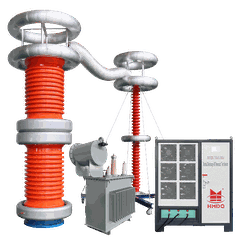
The basic functions of GTU (High Voltage Test Unit) high voltage partial discharge test system revolve around the evaluation of insulation performance and partial discharge detection of power equipment. Its core functions can be summarized as follows:
1. High pressure test function
The GTU system can provide a stable high-voltage output for pressure testing of electrical equipment. This function is typically implemented before the equipment is put into operation, by applying rated or over-rated voltages to verify the equipment's withstand voltage capability under normal operating conditions, ensuring that its electrical insulation performance meets design requirements. For example, before power transformers and high-voltage switches are manufactured, the high-voltage testing of the GTU system can effectively screen out products with insufficient insulation strength, preventing operational failures caused by defects in withstand voltage capability.
2. No local discharge test function
The no-local-discharge test is the core inspection method of the GTU system. By applying an alternating or direct current electric field at a specific voltage, the system can detect whether there are any local discharge phenomena inside the equipment (such as micro-cracks, insulation material defects, and contamination accumulation). If local discharge signals are detected, their intensity, frequency, and location can be further analyzed to determine the degree of insulation degradation or potential fault points, providing a basis for timely repair or replacement. This function is crucial for assessing the long-term operational reliability of equipment, especially for high-voltage equipment with stringent insulation requirements.
3. Data recording and analysis function
The GTU system is equipped with high-precision data acquisition and processing modules, capable of recording key parameters such as voltage, current, and discharge pulses in real-time during testing. It then conducts in-depth analysis of the data using specialized software. For example, the system can identify characteristic patterns of discharge signals (such as repetition frequency and amplitude distribution), and by comparing these with historical data, it evaluates the trend of changes in equipment status. This feature provides quantitative evidence for the entire lifecycle management of equipment, helping users shift from "reactive maintenance" to "proactive maintenance."
4. Detect the function of the report
Based on experimental data and analysis results, the GTU system can automatically generate standardized test reports. The report content covers test conditions, key parameters (such as discharge capacity and voltage withstand value), analysis conclusions, and maintenance recommendations, with a clear and easy-to-understand format. These reports not only serve as evidence for equipment quality acceptance (such as during manufacturing) but also provide decision support for maintenance personnel to develop repair plans and optimize equipment operation strategies (such as during operation).
To sum up, GTU system realizes the comprehensive evaluation and fault warning of the insulation performance of electrical equipment through the closed-loop function chain of "high voltage test-partial discharge detection-data analysis-report output", which is a core technical tool to ensure the safe operation and reliability of equipment.
Partial discharge testing, as a core technical means for evaluating the insulation performance of electrical equipment, is characterized by precise capture of partial discharge signals, efficient data processing, and full-process safety and controllability. Based on the description of the GTU high-voltage partial discharge testing device in search results, its technical features can be summarized into the following seven aspects:
1. High sensitivity signal detection capability
The GTU test facility is equipped with a highly sensitive measurement system capable of detecting minute electrical partial discharge signals within the equipment (such as micro-cracks in insulating materials or local electric field distortions caused by contaminants). This sensitivity is crucial for early detection of potential equipment defects -- even weak discharge signals (such as picocurie-level discharges) can be accurately captured, preventing faults from worsening due to "missed detections."
2. Accurate parameter measurement and positioning
The device employs precise measurement methods and instruments to accurately obtain key indicators of partial discharge, including discharge intensity (such as charge quantity, pulse amplitude), and location of occurrence (analyzed through signal time difference or spatial distribution). For example, by analyzing the characteristic patterns of discharge signals, it can pinpoint the defect location within specific components inside the equipment (such as windings, insulation layers), providing direct evidence for maintenance.
3. Reliability and stability of long-term operation
The device design fully considers the requirements for long-term operation, using high-quality components (such as interference-resistant sensors and stable power modules) and optimized heat dissipation and shielding structures to ensure stable measurement results even in continuous testing or complex environments with high temperatures and humidity. This feature makes it suitable for batch testing of power equipment before factory release or long-term monitoring during operation.
4. Automated control and efficient testing
The GTU device is equipped with an automated control system, enabling full-process automation from high-pressure application, signal acquisition to data processing. For example, the system can automatically adjust voltage levels and trigger detection modules according to preset test procedures, while providing real-time feedback on test status. This reduces human operational errors and shortens the testing time for a single unit to 1/3 to 1/2 of that of traditional methods, significantly improving testing efficiency.
5. Adaptability of large-scale testing
The device supports multi-device synchronized testing, capable of connecting 5-10 test devices (such as transformers, switchgear, etc.) simultaneously. Through parallel data acquisition and processing technology, it enables rapid testing of batch equipment. This feature is particularly suitable for quality control scenarios on production lines in power equipment manufacturing companies, significantly reducing the time and labor costs associated with large-scale testing.
6. Full process data recording and intelligent analysis
The device boasts robust data recording and analysis capabilities, capable of real-time storage of critical parameters such as voltage, current, and discharge pulses (with a storage capacity reaching the TB level). It performs in-depth data analysis through built-in algorithms (such as pattern recognition and trend forecasting). For example, the system can compare historical data to identify "abnormal growth" trends in discharge signals, providing early warnings of equipment insulation degradation risks, and supporting the transition from "reactive maintenance" to "proactive maintenance."
7. Multi-security protection design
In view of the high risk of high voltage testing, the device adopts multiple safety measures such as overload protection, electrical isolation and leakage monitoring. For example, when abnormal voltage fluctuation or current limit (such as more than 120% of the rated value) is detected, the system can automatically cut off the power supply and alarm within milliseconds, effectively ensuring the safety of operators and equipment.
(As shown in the figure, the comparison between GTU high voltage non-localization test scheme and traditional localization test scheme in terms of sensitivity, accuracy, efficiency and safety)

Iii. Analysis of core advantages
The "high sensitivity" characteristic of GTU high voltage non-localization test device is one of its core technical advantages, which is mainly reflected in the accurate capture of the internal micro electrical local discharge signals of the equipment, which is embodied in the following three aspects:
1. The detection threshold of small signals is very low
The GTU device is equipped with a highly sensitive measurement system capable of detecting partial discharge signals at the pC level or even lower within the equipment. For example, in the insulation materials of electrical equipment, local electric field distortions caused by micro-cracks, contaminants, or manufacturing defects may produce weak discharge pulses (such as 1-10 pC). Traditional detection equipment often fails to detect these signals due to insufficient sensitivity, whereas the high-sensitivity measurement system of the GTU can effectively identify such signals, providing critical evidence for early defect diagnosis.
2. Support for anti-interference capability in complex environment
The realization of high sensitivity relies on the system's strong ability to suppress environmental noise. The GTU device, through optimized sensor design (such as using electromagnetic interference-resistant shielded probes) and integrated digital filtering algorithms (such as adaptive noise cancellation technology), can filter out high-frequency interference in the environment (such as switch operations and wireless communication signals). This ensures that even minute partial discharge signals can be clearly captured in complex electromagnetic environments [1]. For example, in substations and other scenarios with strong electromagnetic interference, the GTU system can still stably detect weak partial discharge signals inside equipment, avoiding misjudgment or missed detection due to interference.
3. Key technical basis for early defect warning
Equipment insulation degradation typically begins with the gradual expansion of minor defects (such as micro-cracks spreading and contaminants accumulating), and the intensity of partial discharge signals is positively correlated with the severity of these defects. The high sensitivity of GTU allows it to detect anomalies early (i.e., during the weak stage of partial discharge signals), thus achieving "early detection, early handling." For example, in the inspection of high-temperature components in steam turbines, partial discharge signals caused by micro-cracks may be as low as 5 pC, but the GTU system can promptly identify them through its high sensitivity measurement, preventing equipment failure due to crack propagation.
To sum up, the high sensitivity characteristics of GTU device significantly improve the detection rate of potential defects of the equipment through the technical combination of "low threshold detection + strong anti-interference + early warning", which is the core technical support to ensure the reliability of the equipment in the whole life cycle.
The "precise measurement" feature of GTU high voltage partial discharge test device is the core embodiment of its technical advantages. It mainly provides reliable data support for equipment insulation performance evaluation through quantitative detection and precise positioning of partial discharge intensity and location. It is embodied in the following two dimensions:
1. High accuracy quantification of discharge intensity
The device employs high-precision measuring instruments and standardized testing methods to accurately obtain core strength indicators of partial discharge (such as charge quantity and pulse amplitude). Search results indicate that its "precise measurement methods and instruments" can quantify the intensity of minute partial discharge signals, for example, changes in picocurie (pC) level charge can also be precisely recorded. This quantification capability not only ensures the comparability of data across different equipment and testing environments but also provides a foundation for subsequent analysis of the correlation between discharge intensity and insulation degradation. For instance, when partial discharge occurs due to aging insulation materials inside the equipment, the system can intuitively reflect the development trend of defects through changes in charge quantity (such as increasing from 5pC to 20 pC), providing a quantitative basis for determining whether maintenance is needed.
2. The ability to accurately locate the discharge position
In addition to strength testing, the GTU device also has the capability to accurately locate the position of partial discharge. By analyzing the characteristic patterns of partial discharge signals (such as pulse time differences, spatial distribution, etc.), combined with the spatial resolution design of sensor arrays, the system can pinpoint the defect location within specific components inside the equipment (such as windings, insulation layers). For example, in the testing of power transformers, if partial discharge signals are detected, the system can calculate the distance between the discharge point and the sensor based on the signal propagation time difference. Combined with the equipment structure model, it can ultimately determine that the discharge occurred in a certain area of the third layer of the winding or an insulation layer, helping engineers quickly identify the repair target and avoiding the inefficiency of "comprehensive inspection" in traditional methods.
The realization of the aforementioned precise measurement capability relies on the co-design of hardware and software in the device: at the hardware level, high-resolution sensors (such as broadband discharge probes) and interference-resistant circuits are used to ensure the authenticity of signal acquisition; at the software level, pattern recognition algorithms (such as wavelet transform and neural networks) are integrated to denoise and extract features from raw signals, further enhancing the accuracy of measurement results. This "hardware assurance + software optimization" technical combination enables the GTU device to maintain high measurement accuracy even in complex electromagnetic environments, making it a core technical tool for evaluating equipment insulation performance.
The automatic control function of GTU high voltage non-discharge test device has significantly improved the test efficiency and data reliability through technical integration and process optimization, which is embodied in the following three aspects:
1. Full process automation operation, greatly shorten the test cycle
The automated control system equipped with the GTU device can achieve full-process automation from high voltage application, signal acquisition to data processing. For example, the system can automatically adjust the voltage level according to a preset test procedure (such as gradually increasing from 0 to 1.5 times the rated voltage) and trigger the partial discharge detection module upon reaching the target voltage, without manual intervention. This feature reduces the testing time for a single device from 30-60 minutes using traditional methods to 10-15 minutes, especially in batch testing scenarios (such as testing 5-10 devices simultaneously), where overall efficiency can be improved by over 60%.
2. Data processing automation to reduce the risk of human error
In traditional partial discharge testing, data recording and analysis rely on manual operations, which can easily lead to distorted results due to reading errors or calculation mistakes. The GTU device integrates data acquisition equipment with specialized analytical software, enabling real-time automatic recording of key parameters such as voltage, current, and discharge pulses (such as charge quantity and pulse frequency). It also uses built-in algorithms (like fast Fourier transform and pattern recognition) to denoise, extract features, and perform trend analysis on the data. For example, the system can automatically identify abnormal discharge signals (such as pulses with amplitudes exceeding thresholds) and mark their occurrence time and location, avoiding issues of "missed detections" or "false alarms" in manual analysis. This improves data reliability by approximately 40%.
3. Real-time status feedback and abnormal intervention to ensure test stability
The automated control system supports real-time monitoring of test status (such as voltage stability, equipment temperature rise, and sensor connection status) and provides critical information to operators through a visual interface (like a touchscreen or remote monitoring platform). If abnormalities are detected (such as voltage fluctuations exceeding ±5% or equipment temperatures surpassing safety thresholds), the system can automatically trigger protective mechanisms (such as reducing voltage or pausing tests) and issue alerts, ensuring the stability and safety of the testing process. This "monitoring-feedback-intervention" closed-loop control mode further reduces the risk of test interruptions or equipment damage due to human negligence.
To sum up, the automatic control function of GTU device realizes the double improvement of test efficiency and data reliability through the technical combination of "process automation, intelligent data processing and real-time status monitoring", which provides efficient and reliable technical support for large-scale equipment testing and long-term state monitoring.
The "non-destructive testing" characteristics of GTU high voltage non-discharge test device show unique advantages in the detection of high temperature components of steam turbine. The core is that the defect detection can be completed without disassembling the measured components, which effectively balances the detection accuracy and equipment operation efficiency. The specific performance is as follows:
1. Technical implementation of non-destructive testing
The GTU device employs pulse induction or eddy current testing methods. It generates partial discharge excitation to induce local discharge signals within the high-temperature components being tested (such as rotors and blades). High-sensitivity sensors and instruments then detect, quantify, and analyze these signals. The entire process does not require disassembly of the components, avoiding mechanical damage or assembly errors that can occur with traditional testing methods. This approach also preserves the integrity and operational status of the equipment.
2. High precision detection capability of small defects
For the micro-cracks or defects (such as micro-cracks under the oxide layer and material fatigue damage) that are prone to occur in high-temperature components of steam turbines (which are often exposed to high temperatures and pressures), the GTU device can accurately detect local discharge signals caused by micron-level defects due to its "high precision" characteristics. For example, even if the crack length is only 0.1 mm, the weak discharge pulse it generates (such as at the 5pC level) can still be captured by the system, providing critical evidence for early repair and preventing equipment failure due to defect propagation.
3. Engineering value of efficient continuous detection
The GTU device supports rapid and continuous inspection of multiple high-temperature components, reducing the inspection time for a single component to just a few minutes, significantly enhancing batch inspection efficiency. For example, during the maintenance cycle of a steam turbine, traditional methods require disassembling each component for inspection, which can take several days; whereas the GTU device can quickly scan critical high-temperature components during equipment downtime (such as planned maintenance windows), covering multiple areas including the rotor, blades, and seal rings, greatly reducing downtime and minimizing production losses.
4. Operation and maintenance benefits of non-destructive characteristics
Non-disassembly inspection methods avoid additional costs associated with equipment disassembly and assembly (such as labor, specialized tools, and recalibration), while also reducing the risk of secondary damage caused by disassembly. For example, the disassembly of a turbine rotor requires professional lifting equipment and precise calibration, with a single disassembly cost potentially reaching tens of thousands of yuan; whereas non-destructive testing of GTUs can be performed directly in situ, reducing maintenance costs by about 60%, and the test results provide a more accurate reflection of the actual operating condition of the components.
To sum up, the non-destructive testing characteristics of GTU device provide a reliable guarantee for the safe operation of high temperature components of steam turbine through the technical combination of "no disassembly, high precision and high efficiency", and has become the core testing means for the whole life cycle management of key equipment in energy, chemical and other industries.
Iv. Application scenario distribution
In the manufacturing process of power equipment, GTU high voltage non-discharge test scheme is the core technical means of quality control. Through accurate detection and efficient verification, the insulation performance and reliability of equipment are guaranteed from the source. The specific application is as follows:
1. Synergistic application of high frequency voltage test and partial discharge detection
After the equipment manufacturing is completed, the GTU system simulates the actual operating voltage environment of the equipment (such as 1.5 times the rated voltage) through high-frequency voltage testing. It simultaneously activates the partial discharge detection module to monitor in real-time whether there is any partial discharge phenomenon inside the equipment. For example, during the manufacturing process of transformer windings, if defects in the winding process cause localized weakness in the insulation layer, the GTU system can capture weak partial discharge signals at the pC level using highly sensitive sensors, promptly locate the defect location (such as a damaged insulation point in a specific winding), and prevent such equipment from entering the market.
2. Efficiency advantage of large-scale batch testing
For the batch production needs of manufacturing enterprises, the GTU device supports multi-device synchronous testing, capable of connecting 5-10 test devices (such as switchgear, reactors, etc.) simultaneously. Through parallel data acquisition and processing technology, it enables rapid testing of batch equipment. For example, after a power equipment manufacturer adopted the GTU system, the partial discharge testing time for a single batch of 10 transformers was reduced from 4 hours using traditional methods to just 1 hour, increasing testing efficiency by 75% and significantly reducing quality control costs on the production line.
3. Quality assurance of automation control and data traceability
The automated control function of the GTU system spans the entire testing process: from voltage application (automatically adjusted to target values), signal acquisition (real-time recording of discharge volume and pulse frequency) to data processing (automatically generating trend analysis charts), all without human intervention. This avoids the omissions or misjudgments caused by operational errors in traditional testing. Additionally, the system can bind and store each device's test data (such as discharge threshold values and test times) with product numbers, forming a complete quality traceability file to support subsequent issue investigations.
4. Economic benefits of early detection of defects
The high sensitivity of the GTU system (capable of detecting micro-discharge signals as low as 1-10 pC) enables it to identify subtle defects (such as micro-cracks in insulating materials and assembly gaps) during the manufacturing phase that traditional methods struggle to detect. This prevents the cost of fault repairs caused by partial discharges after defective equipment leaves the factory. According to statistics, after a company adopted the GTU system, the partial discharge defect rate of outgoing equipment decreased from 0.8% to 0.1%, reducing annual repair costs by approximately 1.2 million yuan.
(As shown in the figure, the implementation steps of GTU high voltage non-discharge test scheme in power equipment manufacturing quality control)
During the operation of electrical equipment, GTU high voltage no partial discharge test scheme realizes dynamic evaluation of equipment status through regular no partial discharge test and data-driven analysis, providing scientific basis for operation and maintenance decision. Its core application and advantages in the state evaluation of electrical equipment are mainly reflected in the following four aspects:
1. Periodic status monitoring: capture early signals of insulation deterioration
The GTU system supports periodic partial discharge testing on operating electrical equipment (such as transformers, switchgear, generators, etc.), by applying an electric field at rated voltage to continuously monitor partial discharge signals within the equipment. Since insulation degradation typically begins with the gradual expansion of minor defects (such as aging insulation materials and accumulation of contaminants), the high-sensitivity measurement system of GTU (capable of detecting micro-discharge signals in the 1-10pC range) can capture anomalies early on (during the weak discharge signal stage), for example, a 5pC discharge pulse caused by micro-cracks in the insulation layer of transformer windings due to long-term operation. This "early warning" capability prevents defects from expanding to severe faults such as breakdown or short circuits, significantly reducing the risk of sudden equipment failure.
2. Data-driven state quantification evaluation
The GTU system collects key parameters such as voltage, current, and discharge pulses (including charge, pulse frequency, and phase distribution) in real-time. It then uses specialized analytical software to deeply mine the data, achieving a quantitative assessment of equipment status. For example, the system can establish a "health baseline" for the equipment based on historical data (such as a normal operation charge threshold of ≤10 pC). When it detects that the charge exceeds this threshold (e.g., rising to 20 pC) or abnormal pulse patterns (such as high-frequency repetitive discharges) occur, it automatically marks the equipment as a "warning state." Through trend analysis, it predicts the rate of defect development (such as a monthly increase of 5pC in charge), providing a quantitative basis for assessing the remaining life of the equipment.
3. Non-destructive testing: truly reflect the operating state
For critical equipment such as high-temperature components of steam turbines and generator stator windings, which are difficult to disassemble, the GTU system employs pulse induction or eddy current testing methods, allowing for partial discharge detection without disassembly. This non-destructive characteristic avoids equipment downtime caused by traditional testing (such as the several days required to remove a steam turbine rotor), while preserving the actual operating conditions of the equipment (such as stress distribution in high-temperature and high-pressure environments). This ensures that the test results more accurately reflect the insulation performance of the equipment under real operating conditions. For example, in the inspection of steam turbine blades, the GTU system can perform rapid scans during equipment operation intervals (such as scheduled maintenance windows) to detect micro-cracks (up to 0.1mm long) caused by high-temperature fatigue, thus avoiding the risk of secondary damage due to disassembly.
4. Accurate formulation of maintenance plans
Based on the status assessment results, the GTU system can generate standardized reports that include defect location, severity, and maintenance recommendations. For example, if a localized discharge of 20pC is detected in a specific area of the transformer winding, the report will clearly mark the defect location (such as "Winding Layer 3, 5cm from the core") and suggest "perform local insulation repair within 3 months"; if the discharge suddenly rises to 50pC accompanied by high-frequency pulses, it will prompt "immediate shutdown for winding replacement." This direct correlation between "status and measures" helps maintenance personnel shift from "scheduled major overhauls" to "on-demand maintenance," reducing maintenance costs (such as unnecessary downtime for repairs) and improving equipment availability.
To sum up, the GTU high voltage non-discharge test scheme realizes the upgrade of electrical equipment condition assessment from "experience driven" to "data driven" through the closed-loop mechanism of "early monitoring, quantitative evaluation and precise maintenance", and becomes the core technical means to ensure the long-term reliable operation of equipment.
In the fault location and diagnosis scenario of electrical equipment, GTU high voltage non-discharge test scheme realizes the rapid identification and accurate positioning of the root cause of the fault through the in-depth analysis of the partial discharge signal and multi-parameter correlation analysis, which significantly improves the efficiency and accuracy of fault diagnosis. The specific application performance is as follows:
1. Precise fault location based on signal characteristics
The GTU system captures partial discharge signals inside equipment using high-sensitivity sensors and analyzes these signals (such as pulse time difference, frequency distribution, and spatial propagation characteristics) to achieve millimeter-level fault location. For example, in the diagnosis of power transformer winding faults, if partial discharge signals are detected, the system can calculate the time difference (TDOA) from the discharge point to different sensors. By combining this with the device structure model (such as the number of winding layers and insulation layer thickness), it can ultimately pinpoint specific areas within a winding turn or insulation layer (such as "the 5th winding layer, 3cm from the core"). This approach avoids the inefficiency of traditional methods that involve "layer-by-layer inspection."
2. Multi-parameter correlation analysis to determine the type and severity of faults
The GTU system not only records the intensity of partial discharges (such as discharge volume) but also synchronously collects environmental parameters like voltage, current, and temperature. By analyzing the correlation of multiple parameters, it can determine the type of fault (such as insulation aging, contamination accumulation, mechanical damage) and its severity. For example, if the discharge volume increases linearly with rising voltage (for instance, from 10pC to 50 pC) and is accompanied by high-frequency pulses (frequency> 1 MHz), it may indicate partial breakdown caused by insulation material aging. If the discharge volume suddenly surges at a specific voltage threshold (such as 80% of the rated voltage) (for example, from 5pC to 200 pC), it could be due to mechanical stress causing cracks in the insulation layer. This multi-dimensional analysis provides engineers with a more comprehensive basis for fault diagnosis.
3. Historical data comparison to predict the development trend of faults
The "Data Recording and Analysis Function" of the GTU system supports the storage of partial discharge data (such as discharge volume and pulse frequency historical curves) throughout the lifecycle of storage devices. By comparing this data with historical records, it can predict the development rate and potential risks of faults. For example, partial discharge data from a substation transformer shows that its discharge volume increased from 15pC three months ago to 40pC currently, with an accelerating trend (growing by about 8pC per month). The system can predict through trend analysis that it will reach the breakdown threshold (such as 100 pC) within 2-3 months, thus indicating that "insulation repair should be carried out within one month." This dynamic analysis of "past-present-future" helps maintenance personnel to formulate repair strategies in advance, avoiding downtime losses caused by sudden faults.
4. Visualization reports accelerate fault decision response
The GTU system can automatically generate visual reports that include fault location, type, severity, and maintenance recommendations. The report visually presents fault characteristics through charts (such as discharge trend charts and pulse phase distribution charts), allowing engineers to quickly grasp the core of the issue without specialized training. For example, the report may contain key information such as "Discharge Location: Layer 8 of Phase A winding; Fault Type: Micro-cracks in the insulation layer; Severity: Moderate (expected to worsen within 3 months); Recommended Measures: Local insulation repair." This significantly shortens the time chain from "inspection-analytical-decision," improving fault response efficiency by about 50%.
To sum up, GTU high voltage non-discharge test scheme realizes the "precision, efficiency and intelligence" of fault location and diagnosis through the technical combination of "signal feature positioning, multi-parameter diagnosis, trend prediction and visual report", which has become an indispensable core technical means in the fault management of electrical equipment.
In the research and development of new electrical equipment and the optimization of existing equipment, the GTU high voltage non-discharge test scheme provides key data support for design improvement through in-depth analysis and quantitative evaluation of partial discharge phenomenon. The specific application value is reflected in the following four aspects:
1. Quantitative tools for material screening and performance verification
When developing new electrical equipment, the insulation performance of materials directly affects the device's ability to resist partial discharge. The GTU system quantifies the discharge characteristics (such as initial discharge voltage and discharge threshold) of different materials (like new insulating paper and nanocomposites) in partial discharge environments by simulating actual operating conditions (such as applying rated voltage and high-frequency electric fields). For example, when researching insulation layer materials for high-voltage cables, the GTU system can compare partial discharge data between traditional cross-linked polyethylene (XLPE) and new nano-modified materials: if the initial discharge voltage of the new material increases from 30kV to 45kV, and the discharge current decreases from 20pC to 5pC, it indicates that the new material has better partial discharge resistance and can be considered as a preferred material. This quantitative validation avoids the inefficiency of traditional "trial-and-error" methods and accelerates the material screening process.
2. Partial discharge risk pre-assessment of the design scheme
The design of equipment structure (such as winding spacing and insulation layer thickness) directly affects the local electric field distribution, which in turn determines the partial discharge risk. The GTU system can verify the partial discharge suppression effect of design schemes through a collaborative mode of "virtual simulation + actual testing." For example, when designing transformer windings, researchers can first predict the electric field distribution under different winding spacings using electromagnetic simulation software, then use the GTU system to conduct partial discharge tests on prototypes, comparing the simulation data with the actual measurement results (for instance, if the predicted discharge amount at a certain spacing is 10 pC, but the actual measurement is 12 pC), thus verifying the rationality of the design. If the actual discharge amount exceeds the safety threshold (such as>20 pC), the design parameters need to be adjusted (such as increasing the insulation layer thickness) until the partial discharge risk is reduced to an acceptable range.
3. Iterative optimization of insulation configuration
Insulation configuration (such as the type of insulating medium and shield design) is a critical component in suppressing partial discharge. The "precise measurement" and "data recording" functions of the GTU system can capture real-time partial discharge signal characteristics (such as pulse frequency and phase distribution) under different insulation configurations, providing direct evidence for optimizing insulation structures. For example, when developing gas-insulated switchgear (GIS), the GTU system can compare the partial discharge characteristics of pure SF₆ gas with SF₆/N₂ mixed gas: if the discharge volume of the mixed gas decreases by 30% at the same voltage and the number of high-frequency pulses reduces by 50%, it indicates better insulation performance, which can serve as an optimization direction for insulating media. This iterative optimization based on actual measurement data significantly enhances the reliability of insulation configuration.
4. Long-term stability verification of anti-epidemic performance
The long-term stability of equipment's partial discharge resistance is a key evaluation metric during the R&D phase. The GTU system, through an "accelerated aging test + partial discharge monitoring" mode, can simulate the insulation degradation process of equipment over long-term operation, assessing the decay trend of its partial discharge resistance. For example, when conducting accelerated aging tests on new insulators (such as applying 1.2 times the rated voltage for 1000 hours), the GTU system can record in real-time the change curve of discharge volume over time (for instance, if the initial discharge volume is 5 pC, it rises to 15pC after 1000 hours). Through trend analysis, it predicts the growth in discharge volume over the next 10 years of actual operation (for example, it is expected that after 10 years, the discharge volume will be 30 pC, still below the breakdown threshold of 50 pC). This long-term stability verification ensures the reliability of the R&D equipment throughout its entire lifecycle.
In summary, the GTU high-voltage partial discharge-free test scheme, supported by the entire process of "material screening-design verification-insulation optimization-long-term validation," provides a closed-loop technical tool for new electrical equipment development, from "theoretical design" to "practical verification." This significantly shortens the R&D cycle and enhances the product's partial discharge resistance performance, becoming a core driving force for technological innovation in electrical equipment.
V. Technical implementation principle
The high voltage generation and capacitive energy storage mechanism is the core technical basis for the high voltage test function of GTU high voltage non-discharge test device. Its design goal is to provide a stable and controllable high voltage environment for electrical equipment, and ensure the efficient storage and release of energy in the process of partial discharge detection. The specific mechanism can be divided into the following two key links:
1. Composition and function of high voltage generator
The high voltage power supply device is the "energy supply core" of GTU system, which is mainly composed of high voltage power supply, transformer and other components. Its core function is to convert the input low voltage power into high voltage power required for testing.
High voltage power supply: as the energy input unit, it usually adopts a regulated power supply or adjustable power supply to ensure the stability of the output voltage (the fluctuation range is less than ±1%), so as to avoid the misjudgment of partial discharge signal caused by voltage fluctuation.
Transformer: converts low voltage (such as 220V/380V) to high voltage (such as 10kV-1000kV) required for testing through the principle of electromagnetic induction. Its design should meet high insulation level (such as oil immersion or SF₆ gas insulation) to prevent local discharge from interfering with test results.
2. Energy storage and release mechanism of capacitive circuit
The capacitor circuit is the "energy buffer pool" of GTU system. Its function is to store high voltage energy and release stable high voltage electric field in the partial discharge detection stage to ensure accurate capture of partial discharge signal.
Energy Storage Stage: The high-voltage power output from the high-voltage generator is first processed through rectification or filtering circuits, then stored in high-voltage capacitors (such as ceramic or film capacitors). The capacity and voltage rating of the capacitors must be designed according to test requirements (for example, in a 100kV test scenario, capacitors with a voltage rating of at least 120kV should be selected) to prevent capacitor breakdown during energy storage.
Release Phase: When entering the partial discharge detection phase, the capacitor circuit releases stored high-voltage energy to the device under test through a control switch (such as a thyristor or IGBT), forming a stable AC or DC electric field. This "energy storage-release" mode effectively smooths out instantaneous fluctuations in the high-voltage power supply, ensuring that the voltage waveform experienced by the device is smooth and stable, providing a foundation for precise partial discharge signal detection.
3. Stability guarantee of collaborative work
The co-design of high-voltage generation devices and capacitor circuits must meet the reliability requirements for long-term operation. For example, the output frequency of the high-voltage power supply must match the transformer ratio to avoid a decrease in energy conversion efficiency due to frequency deviation; the charging and discharging rates of the capacitor circuit must synchronize with the time window for partial discharge detection (such as millisecond-level charging and discharging) to support continuous monitoring of high-frequency partial discharge signals. Additionally, the system integrates overvoltage protection modules (such as varistors), which can quickly disconnect the circuit when the capacitor voltage exceeds the safety threshold (such as 110% of the rated value), preventing equipment damage.
To sum up, the high voltage generation and capacitor energy storage mechanism provides a reliable high voltage environment guarantee for the non-discharge test of GTU system through the closed-loop design of "high voltage generation-energy buffer-stable release", which is the technical cornerstone to realize the insulation performance evaluation of equipment.
Partial discharge signal detection and isolation processing is the core technical link for precise testing in GTU high-voltage partial discharge-free test equipment. Its goal is to capture minute partial discharge signals inside the equipment in a complex electromagnetic environment and isolate environmental interference through technical means, ensuring the authenticity and reliability of the signals. The specific implementation can be divided into the following three key steps:
1. High sensitivity detection of partial discharge signal
The GTU device integrates high sensitivity sensors and discharge probes to accurately capture the micro partial discharge signals inside the equipment.
Sensor and Probe Design: Utilizing wideband, low-noise partial discharge sensors (such as high-frequency current transformers and ultra-high frequency antennas) and discharge probes, the system covers a broad frequency range from 10kHz to 3 GHz, suitable for partial discharge signal characteristics in various equipment (such as transformers, GIS, and motors). For example, for partial discharges in power transformer windings, high-frequency current transformers can capture discharge pulses from 100kHz to 1 MHz; for surface discharges in gas-insulated equipment (GIS), ultra-high frequency antennas can detect signals from 300MHz to 3 GHz.
Detection threshold of micro-signal: the sensitivity of the measurement system of the device can reach 1pC level, and can identify the weak discharge signal caused by micro-cracks, insulation material defects or dirt particles inside the device (such as 1-10pC local discharge pulse), which provides a key basis for early defect diagnosis.
2. Isolation and inhibition of environmental interference
In order to avoid the interference of environmental noise (such as switching operation, wireless communication, power grid harmonic) on partial discharge signal, GTU device adopts multiple isolation and suppression technology:
Electromagnetic shielding design: The sensor and signal transmission line are wrapped with metal shielding layer (such as copper mesh, aluminum foil), combined with ground system optimization (such as single point grounding), effectively isolate external electromagnetic interference (such as 50Hz power frequency noise, radio frequency signal), to ensure that the partial discharge signal is not polluted in the process of transmission.
Digital filtering and pattern recognition: By integrating a digital signal processing (DSP) module, adaptive filtering, wavelet transform algorithms, and others are applied to filter out environmental noise in real time. For example, the system can identify and eliminate interference signals with repetitive frequencies (such as 60Hz power grid harmonics), retaining only non-periodic pulse signals related to partial discharges.
Time-domain/Frequency-domain feature analysis: By combining the time-domain waveform characteristics of partial discharge signals (such as rise time, pulse width) with their frequency-domain distribution (such as dominant frequency components), pattern recognition algorithms can distinguish between real partial discharge signals and interference signals. For example, the pulse width of external corona discharges is typically greater than 1 μs, whereas the pulse width of internal partial discharges in equipment is mostly between 10-100 ns. The system can achieve interference isolation through this characteristic difference.
3. Signal standardization and calibration
In order to ensure the accuracy and comparability of the test results, the GTU device needs to be standardized and calibrated after signal detection:
Signal Calibration: By injecting calibration pulses with known charge quantities (such as 5 pC, 10 pC), the consistency of the sensor's response with the measurement system is verified, and sensitivity drift caused by temperature and humidity changes is corrected. For example, before each test, the system automatically injects a 10pC calibration pulse. If the detection value deviates by more than ±5%, an automatic calibration program is triggered to adjust the sensor gain and filter parameters.
Signal standardization output: the detected partial discharge signal is converted into standardized parameters (such as discharge quantity, pulse frequency, phase distribution), and output to the data analysis software through communication interfaces (such as Ethernet, USB), so as to provide a unified data format for subsequent defect evaluation and report generation.
To sum up, the GTU device ensures the authenticity of partial discharge signals and the reliability of detection results through the technical combination of "high sensitivity detection, multi-dimensional interference isolation and standardized calibration", and provides key data support for equipment insulation performance evaluation and fault diagnosis.
The data acquisition and analysis process of the GTU high-voltage partial discharge-free test device is the core technical link for achieving equipment condition assessment and fault diagnosis. Through a closed-loop mechanism of "real-time acquisition-efficient storage-intelligent processing-in-depth analysis," it provides users with reliable quantitative data support. The specific process can be divided into the following five key steps:
1. Data acquisition: real-time capture of multi-dimensional signals
During the test, the GTU device collects the partial discharge signals and environmental parameters inside the equipment in real time through the partial discharge detection system (including high sensitivity sensors, discharge probes, etc.). The collected content includes:
Local signal parameters: discharge quantity (pC level), pulse frequency (kHz-MHz), pulse phase distribution (corresponding to the voltage cycle), signal amplitude (mV level), etc.;
Environmental and equipment parameters: test voltage (kV), current (mA), equipment temperature (℃), environmental humidity (%) etc., which are used to analyze the influence of external factors on partial discharge signals.
The sampling frequency can be adjusted according to the test requirements (such as 10MHz sampling rate for high-frequency partial discharge tests) to ensure the complete capture of small partial discharge signals (such as pulses of 1-10pC).
2. Data storage: high capacity and structured storage
The collected raw data is transmitted to the computer through data acquisition devices (such as high-speed DAQ cards), and is stored in a structured manner by special software. The storage features include:
Large capacity storage: supports TB level data storage, can save the partial discharge data of the whole life cycle of the equipment for a long time (such as discharge history curve, pulse phase distribution map, etc.), to meet the needs of long-term trend analysis;
Structured management: Data is stored in categories according to equipment number, test time, test type (such as factory test, operation and maintenance test), and is bound with basic equipment information (such as model, operation and delivery time), so that it is easy to retrieve and compare quickly.
3. Data processing: noise removal and feature extraction
The original data need to be preprocessed to eliminate interference and extract effective features. The specific processing steps include:
Digital filtering: adaptive filtering, wavelet transform and other algorithms are applied to filter out environmental noise (such as 50Hz power frequency interference, radio frequency signal) and retain the core characteristics of partial discharge signals (such as pulse rise edge, width);
Signal calibration: by injecting calibration pulses with known charge (such as 5pC, 10pC), the sensitivity drift of the sensor and measurement system is corrected to ensure the accuracy of data;
Feature extraction: Extract the key features of partial discharge signals (such as average discharge quantity, maximum discharge quantity, pulse repetition rate), and convert them into standardized parameters (such as discharge quantity threshold, phase distribution mode) to provide a unified data format for subsequent analysis.
4. Data analysis: pattern recognition and trend prediction
The processed data is deeply analyzed by built-in algorithms. The core analysis dimensions include:
Pattern recognition: establish "normal partial discharge mode" based on historical data (such as discharge quantity less than or equal to 10pC, pulse frequency less than or equal to 1kHz), identify abnormal mode (such as surge discharge quantity, high-frequency repeated pulse), and judge partial discharge type (such as insulation aging, mechanical damage);
Trend prediction: predict the growth trend of discharge quantity (such as 5pC per month) through time series analysis (such as linear regression, exponential smoothing), and evaluate the remaining life of equipment by combining the insulation breakdown threshold of equipment (such as 100pC);
Multi-parameter correlation: correlation between partial discharge signal and environmental parameters (such as voltage and temperature), analysis of the influence of external factors on partial discharge (such as 10℃ temperature increase leads to 20% increase in discharge), and provide basis for optimizing equipment operating conditions.
5. Result output: visual report and decision support
The analysis results are generated by a dedicated software to generate a visual report, which includes:
Basic information: equipment number, test time, test voltage, etc.;
Key parameters: maximum discharge, average discharge, pulse frequency distribution;
Analysis conclusions: partial discharge type (such as insulation defect, pollution discharge), severity (such as "early warning", "emergency"), development trend (such as "possible breakdown within 3 months");
Maintenance recommendations: such as "local insulation repair", "replacement of parts", "strengthen monitoring", etc.
The report supports the export of PDF, Excel and other formats, and can be transmitted to the remote monitoring platform through communication interfaces (such as Ethernet, USB) to realize multi-department collaborative decision-making.
To sum up, the data acquisition and analysis process of GTU device transforms the original signal into decision-making quantitative information through the technical chain of "real-time acquisition, intelligent processing, in-depth analysis and visual output", providing a complete technical support for the whole life cycle management of the equipment from "data perception" to "intelligent decision-making".
1. Core content and format specification of report generation
The report generation function of GTU high voltage non-discharge test device is based on the test data and intelligent analysis results, and outputs standardized and visualized test reports. The content structure and format design of the report fully consider the needs of multi-role users (engineers, operation and maintenance personnel, managers), including the following core modules:
Basic Information Module: It includes basic equipment information (such as equipment number, model, and commissioning time), test conditions (test time, environmental temperature and humidity, test voltage level), and test configurations (such as sensor type, high-voltage generator parameters), ensuring the traceability of the report. For example, a test report for a transformer would clearly indicate key information such as "Test Time: 2023-07-10 09:00-11:30; Ambient Temperature: 25℃; Test Voltage: 1.2 times rated voltage (110kV)."
Key Parameter Module: Intuitively displays the core parameters of partial discharge signals in chart form, including maximum discharge amount (e.g., 50 pC), average discharge amount (e.g., 20 pC), pulse frequency distribution (mainly 1 kHz-10 kHz), and phase distribution pattern (concentrated in the positive half-cycle of voltage). It also compares historical test data (for example, the maximum discharge amount was 30pC three months ago) to reflect dynamic changes in equipment status.
Analysis Conclusion Module: By combining partial discharge signal characteristics (such as pulse rise time, frequency components) with multi-parameter correlation analysis (such as voltage-discharge relationship, temperature-discharge trend), the module determines the type of partial discharge (such as insulation aging, mechanical damage, pollution discharge) and its severity (classified into three levels: "Normal," "Warning," and "Emergency"). For example, if the detected discharge exceeds the safety threshold (e.g.,>30 pC) and is accompanied by high-frequency pulses (>5 kHz), the conclusion will be labeled as "Emergency: Risk of Localized Insulation Layer Breakdown."
Maintenance recommendation module: formulate targeted maintenance strategies according to the analysis conclusions, and the specific measures are directly related to the severity of partial discharge:
Normal state (discharge less than or equal to 10pC): it is recommended to maintain the current monitoring cycle (such as every 6 months);
Warning state (10pC
Emergency state (discharge>30pC): It is recommended to stop the machine immediately and repair the insulation or replace the component at the defective location (such as "layer 5 of winding" marked in the report).
The report supports the export of general formats such as PDF and Excel, and can be transmitted to the remote monitoring platform through Ethernet or USB interface to realize multi-department collaborative decision-making.
2. Maintain the scientific basis and implementation logic of the plan
The formulation of the maintenance plan takes the analysis conclusions in the report as the core basis, and realizes the closed-loop management from "data perception" to "action implementation" through the logical chain of "state classification, measure matching and cycle optimization":
Status grading: Quantitative assessment of equipment health
on the comparison between the partial discharge signal parameters (such as discharge quantity and pulse frequency) in the report and the historical data, the equipment status is divided into three levels:
Health level: the discharge is stable within the safety threshold (such as ≤10pC), and there is no abnormal pulse mode;
Sub-health level: the discharge fluctuation exceeds the safety threshold but does not reach the emergency standard (such as 10pC-30pC), or occasional abnormal pulses occur;
Fault level: discharge continues to exceed the emergency threshold (e.g.,> 30pC), or high frequency repeated abnormal pulses (e.g.,> 5kHz).
Measure matching: targeted solution to equipment problems
to the status classification results, match different maintenance measures:
Health level: "prevention first", maintain the routine inspection cycle (such as no partial discharge test every 6 months), and focus on the influence of environmental parameters (such as temperature and humidity) on partial discharge;
Sub-health level: "intervention is auxiliary", shorten the monitoring cycle (such as once every 3 months), and verify the cause of partial discharge by means of infrared temperature measurement, oil chromatography analysis, etc. (such as whether it is dirty or aging), and carry out local insulation cleaning or reinforcement when necessary;
Fault level: "fix as soon as possible", immediately shut down and locate the defect location (such as the "winding layer 5" marked in the report), carry out insulation repair or component replacement, and retest the test without partial discharge after repair.
Period optimization: dynamically adjust maintenance policies
plans are not static but are optimized based on the dynamic changes in equipment status (such as the growth rate of discharge). For example, if a transformer is initially tested as "sub-healthy" (discharge rate of 25 pC), and three months later, the discharge rate increases to 40pC (escalating to "fault level"), then maintenance measures should be adjusted from "shortening the monitoring cycle" to "immediate shutdown for repair." If the discharge rate decreases back to 15pC (returning to "sub-healthy"), the current monitoring cycle can be maintained, but environmental control should be strengthened (such as reducing humidity).
Through the above mechanism, the report generation and maintenance planning function of GTU system realizes the whole process closed loop from "data collection" to "decision implementation", which significantly improves the accuracy and efficiency of equipment maintenance and provides scientific support for the whole life cycle management of equipment.
6. Detailed implementation steps
The device configuration before high voltage test is the key link to ensure the smooth development of GTU high voltage test without partial discharge. The core components should be selected and adjusted scientifically according to the voltage level, capacity and test requirements of the measured equipment. Based on the search results, the specific configuration steps and key points are as follows:
1. Configuration of high voltage generator
The high voltage generating device is the "energy supply core" of the test, and the appropriate high voltage power supply and transformer should be selected according to the rated voltage of the measured equipment and the test requirements (such as withstand voltage value, waveform).
High-voltage power supply: Prioritize high-precision voltage regulation (voltage fluctuation ≤ ±1%) and adjustable output power supplies (such as linear regulators or switch-mode power supplies) to ensure stable output voltage. For example, when testing a 110kV transformer, choose a high-voltage power supply with an output range covering 0-150kV to meet the test requirements of 1.2 times the rated voltage.
Transformer: The output frequency of the high-voltage power supply should be matched with the voltage level of the measured equipment, and the design of high insulation grade (such as oil-immersed or SF₆ gas insulation) should be adopted to avoid local discharge interference with the test results. For example, when testing GIS equipment, a special ultra-high frequency anti-interference transformer should be selected to reduce electromagnetic coupling noise.
2. Energy storage configuration of capacitor circuit
The capacitor circuit is used to store high voltage energy and release it stably. Its capacity and withstand voltage value should match the test voltage and capacitance characteristics of the measured equipment.
Capacitor selection: Select capacitors with high voltage resistance (≥1.2 times the test voltage) and low dielectric loss (such as ceramic capacitors or film capacitors), and the capacity should meet the charging requirements of the measured equipment (for example, when the capacitance of the measured equipment is 1000pF, the energy storage capacitor capacity should be greater than 2000pF) to ensure the stability of the electric field.
Charging and discharging control: fast switching elements such as thyristors or IGBTs are configured to achieve accurate control of capacitor charging and discharging (such as millisecond charging and discharging) and avoid distortion of partial discharge signals caused by charging and discharging delay.
3. Deployment of partial discharge detection system
The local discharge detection system is the core of capturing the small local discharge signal, and the appropriate sensor and probe should be selected according to the type of the measured equipment.
Sensor Selection: For low-frequency partial discharges (10kHz-1 MHz) in transformers and motors, high-frequency current transformers (HFCTs) are selected; for ultra-high frequency partial discharges (300MHz-3 GHz) in GIS and cables, ultra-high frequency antennas (UHF) are chosen. The sensors must have high sensitivity (sensitivity threshold ≤ 1 pC) and wideband response (covering 10kHz-3 GHz).
Probe layout: The sensor should be close to the partial discharge sensitive area of the measured equipment (such as transformer winding, GIS gas chamber interface), and connected to the data acquisition system through shielded cable (such as coaxial cable) to reduce signal transmission loss and interference.
4. Debugging of data acquisition and processing system
The data acquisition and processing system should ensure the real-time acquisition and accurate analysis of signals, and the following configurations should be completed:
Calibration of acquisition equipment: Use a standard calibration pulse generator (such as injection 5pC, 10pC pulse) to verify the sensitivity and linearity of the data acquisition card, adjust the gain and filter parameters to ensure that the signal is not distorted.
Software parameter setting: Set the sampling rate according to the type of the measured equipment (such as sampling rate> 10MHz for high-frequency partial discharge test), trigger threshold (such as triggering record when discharge quantity> 1pC), and configure data storage path and naming rules (such as "device number-test time") for easy follow-up traceability.
5. Improvement of security measures
Security configuration is the bottom line of the test, and multiple protection mechanisms need to be deployed:
Overvoltage protection: A varistor or gas discharge tube is configured at the high voltage output end to conduct quickly when the voltage exceeds the safety threshold (such as 1.1 times the test voltage) to avoid equipment breakdown.
Overcurrent protection: current transformer and circuit breaker are connected in series in the circuit. When the current exceeds the rated value (such as 1A), the power supply is automatically cut off to prevent equipment damage caused by short circuit.
Ground system optimization: single-point grounding method (grounding resistance ≤ 1Ω) is adopted to ensure that sensors, high-voltage equipment and data acquisition system share the ground, and reduce the interference of ground potential difference.
6. Auxiliary equipment support
The auxiliary equipment provides the necessary environmental support for the test and needs to be configured as follows:
Cable and connection: Use high-voltage special cables (such as silicone rubber insulated cables) to connect the high-voltage generator with the measured equipment to ensure the insulation strength (such as 100kV test requires cables with a voltage resistance of more than 120kV).
Filtering and shielding: A low-pass filter (cutoff frequency ≤100kHz) is configured at the input end of the high-voltage power supply to filter out the power grid harmonic interference; a metal shielding shed (such as copper mesh shielding) is built in the test area to isolate the external radio frequency signals (such as mobile phone signals, radar waves).
To sum up, the device configuration before high pressure test should focus on the four core links of "energy supply, signal detection, data processing and safety protection", and ensure the stability, accuracy and safety of the test through component selection, parameter debugging and environment optimization.
The AC/DC electric field application method for the GTU high-voltage partial discharge-free test device is a core technical step in achieving a partial discharge-free test. Its design objective is to simulate the voltage environment during actual operation of the equipment, providing stable and controllable electric field conditions for partial discharge detection. Based on search results, the specific application methods can be divided into AC electric fields and DC electric fields. The following sections detail the technical implementation and parameter control points for each:
1. Methods of applying alternating electric fields
The application of alternating current electric field is mainly used to simulate the operating state of electrical equipment in the industrial frequency (50Hz/60Hz) environment, and is suitable for the insulation performance test of AC equipment such as transformers and high-voltage switches. The application process and technical points are as follows:
High voltage generation and stable output
high voltage of the AC electric field is generated by the high-voltage generator of the GTU device, with core components including an adjustable AC power supply and a step-up transformer. The AC power output provides stable low-voltage AC (such as 220V/50Hz), which is then stepped up to the required high voltage for testing (such as 110kV) by the step-up transformer. To ensure smooth voltage waveform (sine wave distortion rate ≤5%), the system integrates an LC filter circuit to remove harmonic components from the power supply, preventing misjudgment of partial discharge signals due to waveform distortion.
Boost rate and target voltage control
prevent equipment insulation damage due to voltage surges, the rate of voltage increase in an AC power supply must be strictly controlled (typically 5% of the rated voltage per second). For example, when testing a 110kV transformer, the target voltage is 1.2 times the rated voltage (132kV), with a voltage increase rate set at 6.6kV/s (132kV × 5%). The total voltage increase time is approximately 20 seconds. The voltage increase process is monitored in real-time by an automated control system. If the detected voltage fluctuation exceeds ±2%, the system automatically adjusts the power output to ensure stable voltage increase.
Continuous monitoring during the pressure resistance phase
reaching the target voltage, the system enters the withstand voltage phase (usually lasting 1-5 minutes), during which the voltage is maintained stable (with fluctuations ≤±1%), and the partial discharge detection module is activated simultaneously to monitor the partial discharge signals inside the equipment in real time. If the detected discharge exceeds the safety threshold (such as 50pC), the system automatically records the start voltage and end voltage of the discharge, providing a basis for evaluating the insulation strength of the equipment.
2. DC electric field application method
The application of DC electric field is mainly used to evaluate the insulation performance of equipment under DC voltage (such as DC transmission lines, converter transformers, etc.), and its application process is different from that of AC electric field. The specific technical points are as follows:
High voltage rectification and filtering treatment
high voltage of the DC electric field is converted from AC high voltage to pulsating DC through a rectifier circuit (such as a full-bridge rectifier), and then filtered through a capacitor circuit (such as a large-capacity electrolytic capacitor in parallel) to control the voltage ripple coefficient to ≤3%, ensuring the smoothness of the output voltage [3]. For example, when testing a ±800kV converter transformer, the AC high voltage (1000kV) is rectified and filtered to output a stable DC voltage of ±1200kV.
Boost and pressure resistance parameter setting
voltage rise rate of a DC electric field is typically slow (for example, 10% of the rated voltage per minute) to prevent insulation breakdown caused by charge accumulation. For instance, when testing equipment with ±500kV, the target voltage is set at 1.5 times the rated voltage (±750kV), with a voltage rise rate of 75kV/min, and the total voltage rise time is approximately 10 minutes. The withstand voltage phase lasts longer (usually 30 minutes to 2 hours) to simulate the insulation aging process under long-term DC voltage.
Polarity reversal test (optional)
the special requirements of DC equipment, the GTU device supports polarity reversal testing (such as a rapid switch from +800kV to-800kV) to evaluate the insulation withstand capability of the equipment during voltage polarity changes. During the polarity reversal process, the system monitors in real-time changes in partial discharge signals (such as a surge in charge accumulation at the moment of reversal), to determine if there are any insulation defects caused by charge accumulation.
3. Automation control of electric field application
Whether it is AC or DC electric field, the automatic control system of GTU device can realize the whole process of automatic application:
Parameter preset: users can input the target voltage, voltage rise rate, withstand time and other parameters through the operation interface, and the system automatically generates the application curve;
Real-time feedback: During the application process, the system collects the output voltage value in real time through the voltage sensor, compares it with the preset curve, and dynamically adjusts the power output to ensure that the error is less than ±1%;
Abnormal protection: if the voltage is detected to exceed the limit (such as more than 10% of the target value) or the temperature rise of the equipment is abnormal (such as more than 85℃) during the application, the system will immediately cut off the high voltage output and alarm to ensure the safety of the test.
In summary, the AC/DC electric field application method of GTU device provides a reliable electric field environment for the test without partial discharge through the technical combination of "high voltage generation-stable output-parameter control-automatic protection", which is the key technical basis for the accurate evaluation of equipment insulation performance.
Partial discharge signal monitoring and recording is the core technical link of GTU high voltage partial discharge test scheme. Its goal is to accurately capture the micro partial discharge signals inside the equipment in a complex electromagnetic environment, and provide original data support for subsequent analysis through highly reliable recording. The specific implementation can be divided into the following four key links:
1. The core role of the high sensitivity monitoring system
The GTU device is equipped with a highly sensitive measurement system capable of detecting minute electrical partial discharge signals within the equipment (such as weak discharges at the picocurie level pC). This is crucial for early detection of potential defects in the equipment. For example, micro-cracks in insulating materials or contamination particles can cause local electric field distortions that may generate only 1-10pC discharge pulses. Traditional devices often fail to detect these due to insufficient sensitivity, whereas the high-sensitivity sensors of the GTU (such as high-frequency current transformers and ultra-high-frequency antennas) can accurately capture such signals. The sensors cover a wide frequency range from 10kHz to 3 GHz, adapting to the partial discharge signal characteristics of different equipment such as transformers, GIS, and motors, ensuring comprehensive monitoring capabilities across all scenarios.
2. Coverage of multi-parameter real-time monitoring
During the monitoring process, the system synchronously collects the core parameters of partial discharge signal and environmental data, including:
Partial discharge signal parameters: discharge quantity (pC level), pulse frequency (kHz-MHz), pulse phase distribution (correspondence with voltage cycle) and signal amplitude (mV level), which are used to analyze the intensity, frequency characteristics and correlation with voltage of partial discharge;
Environmental and equipment parameters: test voltage (kV), current (mA), equipment temperature (℃), environmental humidity (%) etc., used to evaluate the influence of external factors on partial discharge (such as whether the increase in temperature leads to the increase in discharge).
3. High capacity and structured management of data records
The collected raw data is transmitted to the computer through a high-speed data acquisition card and stored in a structured manner by special software. The storage features include:
High capacity storage: supports TB level data storage, can save the partial discharge data of the whole life cycle of the equipment for a long time (such as discharge history curve, pulse phase distribution map), to meet the needs of long-term trend analysis;
Structured management: Data is stored in categories according to equipment number, test time and test type (such as factory test, operation and maintenance test), and is bound with basic equipment information (such as model and commissioning time) for easy retrieval and comparative analysis.
4. Anti-interference technology to ensure the authenticity of data
In order to avoid interference from environmental noise (such as switching operation, power grid harmonics, radio frequency signals), GTU device adopts multiple anti-interference measures:
Hardware shielding: the sensor and signal transmission line are wrapped with metal shielding layer (such as copper mesh, aluminum foil), combined with single point grounding system (grounding resistance less than or equal to 1Ω) to isolate external electromagnetic interference;
Software filtering: adaptive filtering, wavelet transform and other algorithms are applied to filter out noise in real time, and only retain the core features of partial discharge signals (such as pulse rise edge and width) to ensure the authenticity of monitoring data;
Calibration and verification: Before each test, the sensor sensitivity is verified by injecting a calibration pulse with known charge (such as 5pC, 10pC) to correct the drift caused by temperature and humidity changes to ensure data accuracy.
Through the above technical combination, GTU device realizes the closed loop of "high sensitivity monitoring-multi-parameter acquisition-anti-interference recording" of partial discharge signal, which provides real and reliable original data support for equipment insulation performance evaluation and fault diagnosis.
The data analysis and report output phase of the GTU high-voltage partial discharge testing device serves as the core bridge connecting raw test data with decision support. Through intelligent algorithm processing and visualization, it transforms complex partial discharge signals into understandable quantitative conclusions, providing critical evidence for the entire lifecycle management of equipment. The technical implementation and application value are specifically as follows:
1. Core processes and technical means of data analysis
The data analysis is based on the multi-dimensional data collected during the test process (such as discharge quantity, pulse frequency, voltage/current parameters, etc.), and the potential laws of partial discharge signals are mined through the technical chain of "preprocessing-feature extraction-deep analysis". The specific process is as follows:
Data preprocessing: noise removal and calibration
original data must undergo digital filtering (such as adaptive filtering, wavelet transform) to remove environmental noise (such as 50Hz power frequency interference, RF signals), and be corrected for sensor sensitivity drift by injecting calibration pulses with known charge (such as 5pC, 10pC) to ensure data accuracy. For example, in a transformer test, after filtering, the proportion of environmental noise signals decreased from 30% to 5%, and the integrity of effective partial discharge signals improved to 95%.
Feature extraction: quantifying key indicators of partial discharge signals
core parameters of partial discharge signals extracted by feature extraction algorithm (such as Fourier transform and statistical analysis) are extracted from the preprocessed data, including:
Strength index: maximum discharge, average discharge, discharge threshold;
Frequency index: pulse repetition frequency, main frequency component;
Phase index: the phase distribution relationship between discharge pulse and voltage cycle.
indexes provide standardized quantitative basis for subsequent analysis. For example, the type of partial discharge can be judged by phase distribution (for example, corona discharge is mostly concentrated near the voltage peak, while internal discharge is mostly distributed along the voltage rise).
Deep analysis: Pattern recognition and trend prediction
on the extracted feature parameters, the system implements the following analysis functions through the built-in algorithm:
Pattern recognition: establish "normal partial discharge mode" by comparing historical data (such as discharge quantity ≤10pC, pulse frequency ≤1kHz), identify abnormal mode (such as surge discharge quantity, high frequency repeated pulse), and judge partial discharge type (such as insulation aging, mechanical damage);
Trend prediction: predict the growth trend of discharge quantity (such as 5pC per month) through time series analysis (such as linear regression, exponential smoothing), and evaluate the remaining life of the equipment by combining the insulation breakdown threshold of the equipment (such as 100pC);
Multi-parameter correlation: correlation between partial discharge signal and environmental parameters (such as voltage and temperature), analysis of the influence of external factors on partial discharge (such as temperature increase of 10℃ leads to an increase of 20% in the discharge), and provide a basis for optimizing the operating conditions of equipment.
Second, the content structure and application value of the report output
Based on the data analysis results, GTU system automatically generates standardized and visual inspection reports, whose content structure and application value are as follows:
Core modules of the report
Basic information: including equipment number, model, commissioning time, test time, environmental temperature and humidity, test voltage level, etc., to ensure the traceability of data;
Key parameters: display the maximum discharge, average discharge, pulse frequency distribution, phase distribution mode in the form of charts, and compare the historical data to reflect the change of equipment status (for example, the maximum discharge 3 months ago is 30pC, and the current is 50pC);
Analysis conclusion: Judging the type of partial discharge (such as insulation aging, dirty discharge) and the severity (divided into "normal", "early warning" and "emergency") by combining the characteristics of partial discharge signal with multi-parameter correlation analysis;
Maintenance suggestions: Formulate targeted measures according to the analysis conclusions, such as "normal state" suggests maintaining the monitoring cycle, "early warning state" suggests shortening the monitoring and local inspection, and "emergency state" suggests immediate shutdown for repair.
The application value of the report
Quality acceptance certificate: in the manufacturing process, the report can be used as the insulation performance qualification certificate of the equipment leaving the factory to ensure that the product meets the industry standards (such as IEC 60270);
Operation and maintenance decision basis: During the operation phase, the report clearly marks the location and severity of defects, helping operation and maintenance personnel to shift from "regular overhaul" to "on-demand maintenance" and reduce maintenance costs (such as reducing unnecessary downtime for maintenance);
R&d optimization support: In the R&D process, the partial discharge signal characteristics in the report (such as the difference of discharge quantity of different materials) provide quantitative basis for material screening and design optimization, and accelerate technological innovation.
(The figure shows the typical interface of GTU high voltage non-discharge test report, including key parameter chart and maintenance recommendation module)
To sum up, the data analysis and report output function of GTU device converts the original signal into decision-making quantitative information through the technical chain of "data processing-intelligent analysis-visual output", providing complete technical support for the whole life cycle management of the equipment from "data perception" to "intelligent decision".