

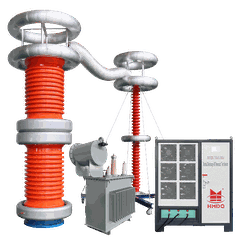



As a supplier of High Voltage AC Resonant Test Systems, I've seen firsthand how voltage spikes can really mess with these systems. Voltage spikes are sudden, brief increases in voltage that can happen for a bunch of reasons. In this blog, I'll talk about what causes these spikes, how they impact our High Voltage AC Resonant Test Systems, and what we can do to deal with them.


What Causes Voltage Spikes?
There are several things that can lead to voltage spikes. One common cause is lightning strikes. When lightning hits a power line or a nearby object, it can send a huge surge of electricity into the electrical system. This surge can cause a voltage spike that can damage sensitive equipment, including High Voltage AC Resonant Test Systems.
Another cause of voltage spikes is switching operations. When electrical devices are turned on or off, there can be a sudden change in the electrical current. This change can create a voltage spike. For example, when a large motor is started, it can draw a large amount of current, which can cause a voltage drop in the electrical system. When the motor stops, the sudden decrease in current can cause a voltage spike.
Faults in the electrical system can also cause voltage spikes. A short circuit, for instance, can cause a sudden increase in current, which can lead to a voltage spike. Ground faults, where electricity flows through an unintended path to the ground, can also cause voltage spikes.
The Impact of Voltage Spikes on High Voltage AC Resonant Test Systems
Damage to Components
Voltage spikes can cause serious damage to the components of a High Voltage AC Resonant Test System. These systems are made up of various components, such as capacitors, inductors, and transformers. Voltage spikes can cause overheating, insulation breakdown, and even physical damage to these components.
For example, a capacitor is designed to store electrical energy. When a voltage spike occurs, the capacitor may be unable to handle the sudden increase in voltage. This can cause the capacitor to overheat and eventually fail. Similarly, inductors and transformers can also be damaged by voltage spikes. The insulation in these components can break down, leading to short circuits and other problems.
Inaccurate Test Results
High Voltage AC Resonant Test Systems are used to test the insulation of electrical equipment. These tests are crucial for ensuring the safety and reliability of electrical systems. However, voltage spikes can interfere with these tests and lead to inaccurate results.
When a voltage spike occurs during a test, it can cause the test voltage to deviate from the desired value. This can make it difficult to accurately assess the insulation of the equipment being tested. In some cases, the voltage spike may even cause the test to fail, leading to unnecessary retesting and delays.
System Downtime
If a High Voltage AC Resonant Test System is damaged by a voltage spike, it may need to be repaired or replaced. This can result in system downtime, which can be costly for businesses. During the downtime, the system cannot be used to perform tests, which can delay projects and impact productivity.
How to Protect High Voltage AC Resonant Test Systems from Voltage Spikes
Surge Protectors
One of the most effective ways to protect High Voltage AC Resonant Test Systems from voltage spikes is to use surge protectors. Surge protectors are devices that are designed to divert excess voltage away from the equipment. They work by detecting a voltage spike and then redirecting the excess voltage to the ground.
There are different types of surge protectors available, including plug-in surge protectors and whole-house surge protectors. Plug-in surge protectors are typically used to protect individual devices, while whole-house surge protectors are installed at the main electrical panel to protect the entire electrical system.
Voltage Regulators
Voltage regulators are another important tool for protecting High Voltage AC Resonant Test Systems from voltage spikes. Voltage regulators are devices that maintain a constant voltage level, regardless of the input voltage. They work by adjusting the output voltage to compensate for any changes in the input voltage.
By using a voltage regulator, you can ensure that your High Voltage AC Resonant Test System receives a stable voltage supply, even in the presence of voltage spikes. This can help to prevent damage to the system and ensure accurate test results.
Proper Grounding
Proper grounding is essential for protecting High Voltage AC Resonant Test Systems from voltage spikes. Grounding provides a path for excess electrical current to flow safely into the ground. By ensuring that your system is properly grounded, you can reduce the risk of damage from voltage spikes.
When installing a High Voltage AC Resonant Test System, it is important to follow the manufacturer's instructions for grounding. This may involve installing a grounding rod or connecting the system to an existing grounding system.
Our High Voltage AC Resonant Test Systems
At our company, we offer a range of High Voltage AC Resonant Test Systems, including the Inductive Resonant Test System, the Vehicle-Mounted AC Resonant Test Set, and the AC Series Resonant Test Device. These systems are designed to be reliable and accurate, even in the presence of voltage spikes.
We understand the importance of protecting your equipment from voltage spikes, which is why we incorporate surge protection and voltage regulation into our systems. Our systems are also designed to be easy to use and maintain, so you can focus on your testing needs without having to worry about technical issues.
Conclusion
Voltage spikes can have a significant impact on High Voltage AC Resonant Test Systems. They can cause damage to components, lead to inaccurate test results, and result in system downtime. However, by taking the appropriate measures to protect your system, such as using surge protectors, voltage regulators, and proper grounding, you can minimize the risk of damage from voltage spikes.
If you're in the market for a High Voltage AC Resonant Test System, we encourage you to contact us to discuss your needs. Our team of experts can help you choose the right system for your application and provide you with the support you need to ensure its proper operation. Don't let voltage spikes disrupt your testing process. Contact us today to learn more about our High Voltage AC Resonant Test Systems and how we can help you.
References
- Electrical Engineering textbooks on power systems and electrical insulation testing.
- Manufacturer's documentation for High Voltage AC Resonant Test Systems.
- Industry standards and guidelines related to electrical safety and testing.


