

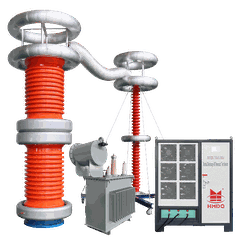




In the world of electrical engineering, safety is non-negotiable. Every cable, transformer, switchgear, or motor must withstand the stresses of daily operation-including unexpected voltage spikes, environmental wear, or aging components. This is where an AC withstand voltage tester (also called a hipot tester or dielectric strength tester) steps in. Let's break down what this critical tool is, how it works, and why it's a cornerstone of electrical maintenance and manufacturing.
What Exactly Does an AC Withstand Voltage Tester Do?
At its core, an AC withstand voltage tester is designed to verify whether an electrical device or component can safely endure a specified alternating current (AC) voltage without breaking down. Think of it as a "stress test" for insulation.
Here's the key principle: Electrical equipment relies on insulation (like rubber, plastic, or oil) to separate conductive parts and prevent accidental current flow (e.g., a short circuit or electric shock). Over time, insulation can degrade due to heat, moisture, mechanical stress, or electrical overloads. The AC withstand voltage tester applies a controlled high AC voltage to the insulation, simulating extreme operating conditions to check if it holds up. If the insulation fails (e.g., through arcing or current leakage), the tester detects it-alerting technicians to potential hazards before they escalate.
How It Works: The Science Behind the Test
While designs vary, most AC withstand voltage testers follow a similar workflow:
1.
Voltage Selection: Operators set the desired test voltage (e.g., 1kV, 5kV, or higher, depending on the equipment being tested) and duration (typically 1–5 minutes). Standards like IEC 60034 or IEEE C57.12.00 often dictate these parameters.
2.
Ramp-Up Phase: The tester gradually increases the output voltage from zero to the target level. This slow ramp prevents sudden surges that could damage the test subject unnecessarily.
3.
Hold Phase: Once the target voltage is reached, it's maintained for the set duration. During this period, the tester continuously monitors two things:
•
Leakage Current: Even healthy insulation allows a tiny amount of current to "leak" through. Excessive leakage indicates compromised insulation.
•
Breakdown Detection: If the voltage exceeds the insulation's breakdown threshold, a sudden surge in current (or visible arcing) signals failure.
4.
Result Analysis: After the test, the device either confirms "pass" (insulation held) or "fail" (breakdown or excessive leakage). Some advanced models log data for compliance reports.
Where Are AC Withstand Voltage Testers Used?
These testers are ubiquitous in industries where electrical safety is paramount. Here are three common scenarios:
•
Manufacturing Quality Control: Before leaving the factory, transformers, circuit breakers, or cables undergo AC withstand tests to ensure they meet industry standards. For example, a cable manufacturer might test each batch to guarantee it can handle 10kV AC without failing.
•
Power Grid Maintenance: Utilities regularly test high-voltage equipment like transformers, switchgear, and insulators. A regional power company, for instance, might use a portable AC withstand tester during routine substation inspections to catch aging insulation before it causes outages.
•
Industrial Facilities: Factories with heavy machinery (e.g., motors, compressors) rely on these tests to prevent unplanned downtime. A food processing plant, for example, could test its motor control centers annually to avoid costly production halts due to insulation failure.
Why It Matters More Than You Think
Skipping an AC withstand voltage test might save time in the short term, but the risks are severe. A single insulation breakdown can lead to:
•
Electrical Fires: Arcing from failed insulation can ignite nearby materials.
•
Equipment Damage: A breakdown in one component (e.g., a transformer) can cascade into system-wide failures.
•
Safety Hazards: Electric shocks or arc flashes pose life-threatening risks to technicians.
By proactively testing insulation integrity, businesses not only comply with safety regulations (like OSHA or IEC) but also protect their assets and personnel.
Final Thoughts
An AC withstand voltage tester isn't just another piece of lab equipment-it's a guardian of electrical systems. Whether you're manufacturing critical components, maintaining a power grid, or ensuring factory safety, understanding how this tool works and why it's needed can make all the difference. Next time you see a technician hooking up a high-voltage probe to a transformer, remember: they're not just testing voltage-they're testing reliability.
By prioritizing regular AC withstand voltage testing, you're not just investing in equipment-you're investing in peace of mind.


