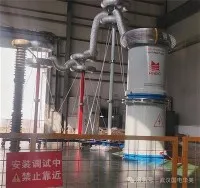
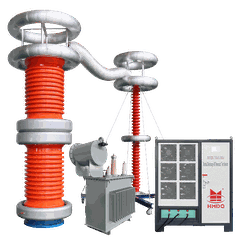




Transformer maintenance and testing are critical practices for ensuring the reliability and longevity of electrical transformers. These processes involve systematic inspections, diagnostics, and preventive measures to detect potential failures before they disrupt power systems. Let's dive into a pivotal aspect: Insulation Resistance Testing.
Why Insulation Resistance Matters
Insulation degradation accounts for ~40% of transformer failures. Over time, thermal stress, moisture ingress, and contamination weaken insulation materials, leading to:
Reduced dielectric strength
Partial discharges
Catastrophic short circuits
Regular insulation resistance testing (e.g., using Megger tests) identifies early degradation. This non-destructive method measures leakage current across windings and predicts insulation health without taking equipment offline.
How Insulation Resistance Testing Works
Polarization Index (PI) Test:
Measures insulation resistance over 10 minutes.
A PI ratio >2.0 indicates healthy insulation; <1.0 signals contamination.
Example: A utility in India prevented a substation outage by detecting a PI drop of 1.5, prompting timely cleaning.
Dielectric Absorption Ratio (DAR):
Compares 60-second vs. 30-second resistance readings.
Ideal DAR: 1.4–1.6. Values below 1.0 require immediate action.
Beyond Insulation: Dissolved Gas Analysis (DGA)
While insulation testing targets solid materials, DGA monitors transformer oil for fault gases:
Key gases: Hydrogen (H₂), Methane (CH₄), Acetylene (C₂H₂)
Critical thresholds:
C₂H₂ > 3 ppm indicates arcing
H₂ > 100 ppm suggests overheating
A thermal fault case in China was resolved by correlating rising methane levels with loose connections, avoiding a $200K replacement.
How to Choose Testing Equipment
Prioritize devices with:
Automated temperature correction
Guard terminal functionality (to cancel surface leakage)
Compliance with IEC 60422 and IEEE 62 standards