

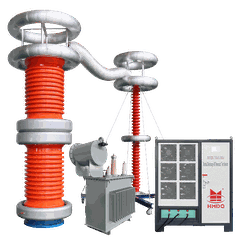



Hey there! I'm a supplier of Breakdown Voltage Test Equipment, and today I wanna talk about how to transport this kind of equipment. Breakdown voltage test equipment is super important for electrical safety and quality control. Whether it's a 60kV/2mA DC Hipot Tester, a Portable Hipot Tester, or a 300kV/5mA DC Hipot Tester, getting it to the destination in one piece is crucial.
Pre - transport Preparation
First things first, you gotta do a thorough inspection of the equipment. Check for any visible damages like cracks on the casing, loose wires, or broken connectors. If you find any issues, it's better to fix them before transporting. You don't want to arrive at the destination only to find out that the equipment is malfunctioning because of pre - existing problems.
Next, clean the equipment. Dust and debris can cause problems during transportation, like short - circuits or clogging of ventilation holes. Use a soft, dry cloth to wipe the exterior, and if necessary, use compressed air to clean the internal components gently.
Documentation is also key. Make sure you have all the necessary manuals, calibration certificates, and warranty information. These documents can be a lifesaver if there are any issues during transit or after installation.
Packaging
The right packaging can make or break the transportation of breakdown voltage test equipment. You need to use high - quality packaging materials. For starters, foam padding is a must. It helps absorb shocks and vibrations during transit. Wrap the equipment in multiple layers of foam, especially around the delicate parts like the display and control panels.
Place the wrapped equipment in a sturdy cardboard box. The box should be slightly larger than the equipment to allow for the foam padding. Seal the box securely with strong packing tape. You can also add corner protectors to the box to prevent it from getting damaged at the edges.
If the equipment is large or heavy, consider using a wooden crate. Wooden crates are more durable and can provide better protection against impacts. However, they are also more expensive and heavier, so you need to factor that into your transportation costs.
Labeling
Proper labeling is essential. Mark the boxes with clear instructions like "Fragile", "This Side Up", and "Handle with Care". You can also label the boxes with the equipment's name and model number for easy identification. This helps the handlers know how to handle the package correctly.
Choosing the Right Transportation Method
There are several transportation methods available, and the choice depends on various factors like the distance, urgency, and size of the equipment.
Road Transport
If the destination is relatively close, road transport can be a good option. You can use a dedicated truck or a courier service. When using a truck, make sure the truck is clean and dry. Secure the packages inside the truck to prevent them from shifting during transit. You can use straps or ropes to hold the boxes in place.
Courier services are convenient as they offer door - to - door delivery. However, you need to choose a reliable courier with experience in transporting fragile and high - value equipment. Check their reviews and insurance policies before handing over your package.
Air Transport
For long - distance or urgent deliveries, air transport is the way to go. Airlines have strict regulations regarding the transportation of electrical equipment. You need to ensure that the equipment is properly packaged and labeled according to the airline's requirements. You may also need to provide additional documentation like a hazardous materials declaration if the equipment contains any potentially dangerous substances.
Sea Transport
If the destination is overseas, sea transport can be a cost - effective option. But it takes longer. You need to use a shipping container to protect the equipment from the harsh marine environment. Make sure the container is sealed properly to prevent water and moisture from getting in.
Insurance
No matter which transportation method you choose, it's highly recommended to get insurance for the equipment. Accidents can happen during transit, and insurance can help you recover the cost if the equipment gets damaged or lost. Shop around for different insurance providers and compare their coverage and premiums.


Tracking
Most transportation companies offer tracking services. Use this feature to keep an eye on your package's whereabouts. You can check the status of the delivery in real - time and be informed if there are any delays or issues.
Post - transport Inspection
Once the equipment arrives at the destination, do another inspection. Unpack the equipment carefully and check for any damages that may have occurred during transit. If you find any problems, document them immediately and contact the transportation company and the insurance provider.
Test the equipment to make sure it's working properly. Follow the startup procedures in the manual and perform some basic tests. If the equipment doesn't work as expected, don't try to fix it yourself. Contact the manufacturer's technical support team for assistance.
Conclusion
Transporting breakdown voltage test equipment requires careful planning and attention to detail. From pre - transport preparation to post - transport inspection, every step is important to ensure that the equipment arrives safely and in good working condition.
If you're in the market for high - quality breakdown voltage test equipment, we've got a wide range of products like the 60kV/2mA DC Hipot Tester, Portable Hipot Tester, and 300kV/5mA DC Hipot Tester. We're always here to help with your procurement needs and can provide expert advice on transportation. If you're interested in purchasing or have any questions, don't hesitate to reach out and start a procurement discussion.
References
- "Electrical Equipment Packaging and Transportation Guidelines" - Industry Best Practices Handbook
- "Transportation Regulations for High - Voltage Equipment" - International Shipping and Logistics Journal
- "Insurance Options for High - Value Equipment Transport" - Insurance Industry Review


