

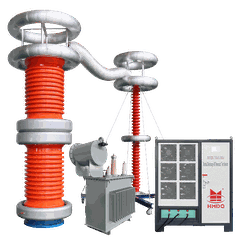



As a supplier of Insulation Cylinder Oil Immersed Test Transformers, I've had the privilege of delving deep into the intricacies of these remarkable pieces of equipment. One of the most critical aspects that often comes under scrutiny is the electromagnetic interference (EMI) characteristics of these transformers. In this blog, I'll share my insights on this topic, shedding light on what makes these transformers unique in terms of EMI and how it impacts their performance.
Understanding Electromagnetic Interference
Electromagnetic interference refers to the disruption of an electrical circuit by an external electromagnetic field. This interference can come from a variety of sources, including power lines, radio waves, and other electrical equipment. In the case of insulation cylinder oil - immersed test transformers, EMI can have a significant impact on their operation and the accuracy of the tests they perform.
There are two main types of EMI: conducted and radiated. Conducted EMI is transmitted through electrical conductors, such as power cables and signal wires. Radiated EMI, on the other hand, is transmitted through the air as electromagnetic waves. Both types of EMI can cause problems for insulation cylinder oil - immersed test transformers, leading to inaccurate test results, equipment malfunctions, and even safety hazards.
EMI Characteristics of Insulation Cylinder Oil Immersed Test Transformers
Shielding
One of the key features of insulation cylinder oil - immersed test transformers is their shielding. The insulation cylinder acts as a physical barrier, reducing the amount of radiated EMI that can penetrate the transformer. Additionally, the oil inside the transformer provides further shielding, as it has good dielectric properties and can absorb electromagnetic waves.
The design of the insulation cylinder is crucial in minimizing EMI. It is typically made of a high - quality insulating material, such as epoxy resin or fiberglass, which has excellent electrical insulation properties. The cylinder is also designed to be as airtight as possible, preventing the leakage of electromagnetic waves.
Grounding
Proper grounding is essential for reducing conducted EMI in insulation cylinder oil - immersed test transformers. The transformer is usually grounded to the earth through a grounding conductor, which provides a low - impedance path for the flow of electrical current. This helps to prevent the build - up of static electricity and reduces the risk of electrical shock.
In addition to the main grounding conductor, the transformer may also have additional grounding points, such as for the control circuits and the enclosure. These grounding points help to ensure that all parts of the transformer are at the same electrical potential, reducing the likelihood of EMI.
Filtering
Filtering is another important technique for reducing EMI in insulation cylinder oil - immersed test transformers. Filters are used to remove unwanted frequencies from the electrical signals, preventing them from interfering with the operation of the transformer.
There are several types of filters that can be used, including low - pass filters, high - pass filters, and band - pass filters. Low - pass filters allow low - frequency signals to pass through while blocking high - frequency signals. High - pass filters do the opposite, allowing high - frequency signals to pass through while blocking low - frequency signals. Band - pass filters allow a specific range of frequencies to pass through while blocking all others.
Impact of EMI on Transformer Performance
Test Accuracy
EMI can have a significant impact on the accuracy of the tests performed by insulation cylinder oil - immersed test transformers. For example, if there is a high level of EMI in the test environment, it can cause the test results to be inaccurate. This can lead to incorrect decisions being made about the condition of the equipment being tested.
To ensure accurate test results, it is important to minimize the effects of EMI. This can be achieved through proper shielding, grounding, and filtering, as well as by using high - quality test equipment.


Equipment Reliability
EMI can also affect the reliability of insulation cylinder oil - immersed test transformers. High levels of EMI can cause the transformer to malfunction, leading to downtime and increased maintenance costs. In some cases, EMI can even cause permanent damage to the transformer.
To improve the reliability of the transformers, it is important to design them to be as resistant to EMI as possible. This includes using high - quality materials, proper shielding, and effective filtering.
Mitigating EMI in Insulation Cylinder Oil Immersed Test Transformers
Using High - Quality Components
Using high - quality components is one of the most effective ways to mitigate EMI in insulation cylinder oil - immersed test transformers. High - quality components are less likely to generate EMI and are more resistant to the effects of external EMI.
For example, using high - quality insulation materials in the insulation cylinder can reduce the amount of radiated EMI. Similarly, using high - quality electrical components, such as capacitors and inductors, can reduce the amount of conducted EMI.
Proper Installation and Maintenance
Proper installation and maintenance are also crucial for mitigating EMI in insulation cylinder oil - immersed test transformers. During installation, it is important to ensure that the transformer is properly grounded and that all electrical connections are secure.
Regular maintenance is also important to ensure that the transformer is operating at its best. This includes checking the insulation resistance, the oil quality, and the performance of the filters.
Related Products for EMI Mitigation and Testing
If you're looking for products to help with transformer oil testing and EMI mitigation, we offer a range of high - quality instruments. The Three Cup Transformer Oil Breakdown Voltage Tester is an essential tool for testing the dielectric strength of transformer oil, which can be affected by EMI. The 10kVA/50kV Oil Immersed Test Transformers are designed to provide reliable and accurate testing in various environments. And the Vacuum Oil Filter can help improve the quality of the transformer oil, reducing the risk of EMI - related issues.
Conclusion
In conclusion, understanding the electromagnetic interference characteristics of insulation cylinder oil - immersed test transformers is crucial for ensuring their reliable operation and accurate test results. By implementing proper shielding, grounding, and filtering techniques, as well as using high - quality components and following proper installation and maintenance procedures, we can minimize the effects of EMI.
If you're in the market for insulation cylinder oil - immersed test transformers or related testing equipment, we're here to help. Our team of experts can provide you with the guidance and support you need to make the right choice for your specific requirements. Contact us today to start a discussion about your procurement needs.
References
- Grover, P. D. (2007). Transformer Engineering: Design, Technology, and Diagnostics. John Wiley & Sons.
- Alexander, C. K., & Sadiku, M. N. O. (2012). Fundamentals of Electric Circuits. McGraw - Hill.
- Paul, C. R. (2006). Introduction to Electromagnetic Compatibility. John Wiley & Sons.


