
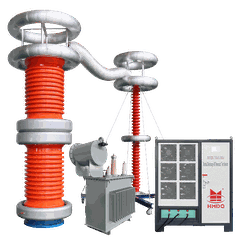




Understanding the prices of 60 kV/2 mA DC hipot testers
When investing in high-voltage test equipment, such as a 60 kV/2 mA DC hipot tester, price is often the primary concern. However, focusing solely on the initial cost can lead to overlooking important factors such as technological advancement, safety, and long-term value. This article discusses the key factors that influence price and how to evaluate the true value of a tester.
Key factors affecting price:
Advanced technology and innovation
Modern Hipot testers are equipped with advanced technologies such as digital control systems, precise voltage regulation, and real-time data monitoring. These features improve accuracy and reliability, but also increase production costs. Testers with patented safety mechanisms or intelligent calibration features typically command a higher price due to reduced operational risks and higher performance.
Safety standards and compliance
Equipment that complies with international standards (e.g., IEC, IEEE) requires thorough testing and high-quality materials, which affects the price. A 60 kV/2 mA DC Hipot tester designed with overload protection, arc detection, and fail-safe mechanisms ensures operator safety and prevents damage to test samples, justifying the higher investment.
Durability and build quality
Industrial testers made from durable components and insulating materials offer longer service life and consistent performance. While lower-cost options may use cheaper parts, they often come with higher maintenance costs or frequent replacements.
Global market dynamics
Prices are influenced by supply chain logistics, import duties, and regional demand. For example, testers shipped to Belt and Road countries or Latin American markets may incur additional costs due to compliance with local electrical standards.
Why the value exceeds the initial cost?
A cheap tester may seem attractive, but it may lack important features such as automatic discharge or a convenient interface. Investing in a technologically advanced device guarantees the efficiency of testing processes, reduced downtime, and compliance with changing industry standards. In addition, reputable manufacturers often provide technical support and warranties, which add long-term value.
Make an informed decision , Before purchasing, consider the following:
Test requirements (e.g., routine maintenance or research applications).
Total cost of ownership, including maintenance and training.
Supplier reliability and after-sales support.
Although prices vary depending on specifications, a 60 kV/2 mA DC Hipot tester is a fundamental investment in electrical safety and reliability. A focus on quality and innovation ensures an optimal return on investment for your high-voltage testing needs.


