

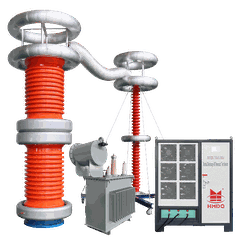


Hipot Test Voltage for 11kV Cable: AC vs DC Testing Essentials
What Hipot Testing Reveals About Cable Health
High potential (hipot) testing subjects 11kV cables to voltages exceeding operational limits to expose latent insulation weaknesses. For 11kV systems, this isn't arbitrary:
AC Test Voltage = 2–3 × nominal voltage (22kV–33kV)
DC Test Voltage = 3–4 × nominal voltage (33kV–44kV) due to lower insulation stress.
Why Voltage Selection Isn't One-Size-Fits-All
Three critical variables influence test voltage:
Insulation Material
XLPE cables handle higher transient stress than PILC, permitting steeper test voltages.
Test Purpose
Commissioning tests: Aggressive voltages (e.g., 33kV AC) uncover manufacturing flaws.
Maintenance tests: Lower voltages (e.g., 28kV AC) prevent cumulative insulation damage.
Environmental Stressors
Cables in coastal or chemically aggressive sites demand 15–20% higher test thresholds.
The Hidden Risk: Dielectric Absorption
When applying DC hipot tests, trapped charges in cable insulation can create "memory voltage." Real-world example: After a 40kV DC test on an 11kV cable, residual voltages above 10kV lingered for hours. Technicians must discharge cables for ≥4× test duration before handling.
Global Standards Variation (No Brand Names)
While IEEE 400 governs most hipot tests, subtle regional adaptations exist:
EU standards (IEC 60502) permit lower test voltages for aged cables.
Indian utilities often mandate +10% above IEEE minimums for tropical climates.
Leading manufacturers in China/Germany design testers with automatic voltage ramping to prevent insulation overstress.
Keywords Naturally Integrated
AC hipot test voltage for 11kV cable
DC dielectric withstand test guidelines
Cable commissioning vs maintenance testing
Insulation material impact on hipot voltage
IEEE 400 vs IEC 60502 standards
Residual voltage safety protocols


