

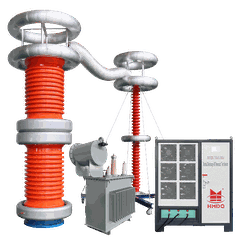



Understanding the technology behind six-phase relay testers for modern power systems
In the field of electrical power systems, ensuring the reliability and safety of protective devices is critical. Six-phase relay testers have established themselves as essential tools for validating the performance of relays and other protective equipment. These advanced devices use cutting-edge technology to simulate real-world conditions, enabling engineers to perform comprehensive testing with high accuracy. This article takes an in-depth look at the technology behind six-phase relay testers, focusing on their multi-phase testing capabilities and how they contribute to the integrity of modern power systems.
The Importance of Multi-Phase Testing Capability
One of the most prominent features of a six-phase relay tester is its ability to simultaneously generate and control six independent phase-by-phase voltages and currents. This capability is essential for testing complex protection schemes, such as transformer differential protection or busbar protection systems. By reproducing multi-phase fault conditions such as phase-to-phase or phase-to-ground short circuits, these testers enable thorough verification of relay responses across diverse scenarios. Phase-to-phase synchronisation precision ensures testing complies with international standards governing measuring relays and protective equipment, such as IEC 60255.
Applications in different power systems
The flexibility of six-phase relay testers makes them indispensable in a variety of applications. In traditional electrical substations, they are used to verify the synchronisation of protective relays, ensuring uninterrupted operation in the event of faults. Similarly, in renewable energy facilities, such as solar or wind farms, these testers help validate the protection systems that manage the challenges of grid integration. Their use extends to industrial plants where customised protection systems require rigorous testing. Supporting a wide range of test modes, these devices play a critical role in strengthening system resilience and preventing costly service interruptions.
Conclusion
Six-phase relay testers represent a significant technological advance in the field of electrical system protection. Their ability to perform multi-phase tests, combined with advanced features such as automatic sequencing and high precision, makes them valuable tools for ensuring grid stability. As electrical systems evolve and become more complex, the demand for reliable testing solutions continues to grow. Industry professionals are encouraged to evaluate these technologies to improve their testing methods and ensure compliance with international standards. For those seeking reliable and innovative test equipment, understanding the technology behind these instruments is the first step toward achieving excellent system performance.


