

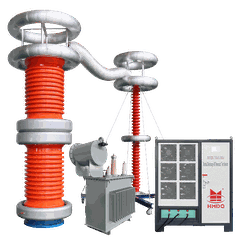


Measuring the leakage current of an AC Test Transformer - Dry Type is a crucial aspect in ensuring its safety, reliability, and compliance with relevant standards. As a trusted supplier of AC Test Transformer - Dry Type, I understand the significance of accurate leakage current measurement. In this blog, I will guide you through the process of measuring the leakage current of a dry - type AC test transformer, from understanding the basics to practical measurement steps.
Understanding Leakage Current in Dry - Type AC Test Transformers
Leakage current refers to the current that flows through unintended paths in an electrical device. In the context of a dry - type AC test transformer, leakage current can occur due to several factors. One of the main reasons is the insulation resistance between the windings and the transformer's enclosure or other conductive parts. Over time, insulation can degrade due to factors such as aging, moisture ingress, or mechanical stress, leading to an increase in leakage current.
Another factor contributing to leakage current is capacitive coupling. The transformer windings have capacitance with respect to the ground and other components. When an AC voltage is applied, a small current can flow through these capacitances, which is also considered part of the leakage current. Measuring leakage current is essential because excessive leakage current can indicate potential insulation problems, which may lead to electrical failures, short - circuits, or even pose a safety hazard to operators.
Importance of Measuring Leakage Current
- Safety Assurance: High leakage current can pose a risk of electric shock to personnel working around the transformer. By regularly measuring the leakage current, we can ensure that the transformer operates within safe limits and reduce the risk of electrical accidents.
- Equipment Reliability: Monitoring leakage current helps in detecting early signs of insulation degradation. By taking preventive measures in a timely manner, we can extend the lifespan of the transformer and avoid costly breakdowns.
- Compliance with Standards: Many electrical standards and regulations specify the maximum allowable leakage current for electrical equipment, including dry - type AC test transformers. Measuring leakage current ensures that the transformer meets these standards and can be legally used in various applications.
Tools and Equipment Required for Measuring Leakage Current
To measure the leakage current of a dry - type AC test transformer, you will need the following tools and equipment:
- Leakage Current Meter: A high - quality leakage current meter is essential for accurate measurement. It should be capable of measuring small currents with high precision.
- Insulation Resistance Tester: This tool is used to measure the insulation resistance of the transformer windings. A low insulation resistance value may indicate a high leakage current.
- Voltage Source: You will need a stable AC voltage source to apply the test voltage to the transformer.
- Test Leads: High - quality test leads are required to connect the measuring instruments to the transformer.
Preparation Before Measuring Leakage Current
Before starting the leakage current measurement, it is important to take the following preparatory steps:
- Visual Inspection: Conduct a visual inspection of the transformer to check for any obvious signs of damage, such as cracks in the insulation, loose connections, or signs of overheating.
- Isolation: Ensure that the transformer is properly isolated from the power source and all other electrical circuits. This will prevent any interference during the measurement process.
- Cleaning: Clean the transformer terminals and the measuring instruments to remove any dirt, dust, or moisture that may affect the measurement accuracy.
Step - by - Step Guide to Measuring Leakage Current
- Initial Insulation Resistance Measurement:
- Use an insulation resistance tester to measure the insulation resistance between the primary and secondary windings, as well as between each winding and the ground. A low insulation resistance value may indicate a high leakage current. Record the insulation resistance values for future reference.
- Connect the Leakage Current Meter:
- Connect the test leads of the leakage current meter to the appropriate terminals of the transformer. Make sure the connections are secure and there is no loose contact.
- Apply the Test Voltage:
- Use a stable AC voltage source to apply the rated test voltage to the transformer. The test voltage should be in accordance with the transformer's specifications and relevant standards.
- Measure the Leakage Current:
- Once the test voltage is applied, read the leakage current value from the leakage current meter. It is important to allow the current to stabilize before taking the measurement. Record the leakage current value.
- Repeat the Measurement:
- Repeat the measurement several times to ensure the accuracy of the results. Calculate the average leakage current value based on the multiple measurements.
Interpreting the Leakage Current Measurement Results
After obtaining the leakage current measurement results, it is important to interpret them correctly. The acceptable leakage current value depends on various factors, such as the transformer's voltage rating, insulation class, and application. Generally, a lower leakage current value indicates better insulation quality.


If the measured leakage current exceeds the acceptable limit, it may indicate a problem with the transformer's insulation. In such cases, further investigation is required to identify the root cause of the problem. This may involve conducting additional tests, such as a partial discharge test, or inspecting the transformer for physical damage.
Troubleshooting High Leakage Current
If the measured leakage current is higher than the acceptable limit, the following steps can be taken to troubleshoot the problem:
- Check for External Factors: Ensure that there are no external factors, such as moisture or dirt, affecting the measurement. Clean the transformer and its terminals and repeat the measurement.
- Inspect the Insulation: Conduct a detailed inspection of the transformer's insulation for any signs of damage or degradation. If damage is found, the insulation may need to be repaired or replaced.
- Check the Connections: Loose or faulty connections can also cause high leakage current. Check all the connections in the transformer and ensure they are tight and secure.
Using Related Testing Equipment
In addition to the basic tools for measuring leakage current, there are other high - voltage testing equipment that can be used in conjunction with the process. For example, the 200kV/2mA DC Hipot Tester can be used to perform high - voltage DC withstand tests on the transformer. This can help in detecting any hidden insulation defects that may not be apparent during normal AC leakage current measurements.
The Console Of Power Frequency withstand Voltage Test is another useful piece of equipment. It allows for precise control of the test voltage during power - frequency withstand voltage tests, which are important for ensuring the transformer's ability to withstand normal operating voltages without breakdown.
The 60kV/2mA DC Hipot Tester is suitable for testing transformers with lower voltage ratings. It provides a reliable way to check the insulation integrity of the transformer at a specific DC voltage level.
Conclusion
Measuring the leakage current of a dry - type AC test transformer is a critical process for ensuring its safety, reliability, and compliance with standards. By following the steps outlined in this blog, you can accurately measure the leakage current and take appropriate actions based on the measurement results.
As a supplier of AC Test Transformer - Dry Type, we are committed to providing high - quality products and technical support. If you have any questions about measuring leakage current or need assistance in choosing the right testing equipment, please feel free to contact us for procurement and further discussions. We look forward to working with you to ensure the optimal performance of your electrical systems.
References
- Electrical Safety Standards for Transformers, International Electrotechnical Commission (IEC)
- High - Voltage Testing Techniques, IEEE Standards Association


