

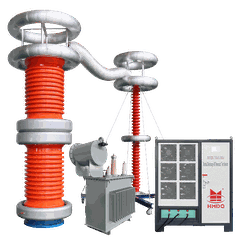


As a supplier of Container AC Resonant Test Systems, I understand the importance of ensuring these high - tech devices remain in optimal condition. Vibration can pose a significant threat to the integrity and functionality of such systems. In this blog, I will share some effective strategies on how to prevent the Container AC Resonant Test System from being damaged by vibration.


Understanding the Impact of Vibration on Container AC Resonant Test Systems
Before delving into prevention methods, it's crucial to understand how vibration can harm these systems. Container AC Resonant Test Systems are complex pieces of equipment with numerous sensitive components such as capacitors, inductors, and control circuits. Excessive vibration can cause mechanical stress on these components, leading to loose connections, cracked circuit boards, or even physical damage to the delicate parts.
Moreover, vibration can disrupt the precise electrical resonance required for the proper functioning of the test system. Resonance is a critical principle in these systems, and any interference caused by vibration can result in inaccurate test results, reduced efficiency, and ultimately, system failure.
Selecting the Right Installation Location
The first step in preventing vibration damage is to choose an appropriate installation location. A stable and vibration - free environment is ideal for the Container AC Resonant Test System. Avoid areas near heavy machinery, traffic routes, or other sources of continuous vibration.
If possible, install the system on a dedicated concrete slab or a vibration - isolating platform. Concrete provides a solid and stable base that can absorb and dampen vibrations. Vibration - isolating platforms, on the other hand, are specifically designed to reduce the transmission of vibrations from the floor to the equipment. These platforms often use materials such as rubber or springs to isolate the system from external vibrations.
Securing the System Properly
Once the installation location is selected, it's essential to secure the Container AC Resonant Test System properly. Use appropriate mounting hardware, such as bolts and brackets, to firmly attach the system to the installation surface. Make sure all connections are tight and that the system is level.
In addition to mounting the system, consider using vibration - dampening pads or mounts. These can be placed between the system and the mounting surface to further reduce the impact of vibrations. Vibration - dampening pads are typically made of rubber or other flexible materials that can absorb and dissipate vibration energy.
Regular Maintenance and Inspection
Regular maintenance and inspection are key to preventing vibration damage. Establish a maintenance schedule that includes checking the system for loose connections, damaged components, and signs of vibration - related wear.
During inspections, pay special attention to the mounting hardware, cables, and connectors. Tighten any loose bolts or screws, and replace any damaged components immediately. Inspect the vibration - dampening pads or mounts for signs of wear or damage, and replace them if necessary.
Regularly clean the system to remove dust and debris, which can also contribute to vibration - related problems. Dust can accumulate on the components and cause overheating, which can in turn lead to increased vibration and damage.
Using Anti - Vibration Technology
Advancements in anti - vibration technology have provided several options for protecting the Container AC Resonant Test System. One such option is the use of active vibration control systems. These systems use sensors to detect vibrations and then generate counter - vibrations to cancel them out. Active vibration control systems can be highly effective in reducing the impact of external vibrations on the test system.
Another option is the use of passive vibration isolation devices. These devices, such as rubber mounts or spring - based isolators, work by absorbing and dissipating vibration energy. They are relatively simple and cost - effective solutions for reducing vibration damage.
Training and Operator Awareness
Proper training of operators is essential for preventing vibration damage. Operators should be educated on the importance of vibration prevention and the proper handling and operation of the Container AC Resonant Test System.
Train operators to recognize the signs of vibration - related problems, such as unusual noises or vibrations during operation. Instruct them on how to perform basic maintenance tasks, such as checking for loose connections and cleaning the system.
Encourage operators to report any potential issues immediately so that they can be addressed before they cause significant damage.
Additional Considerations for Different Operating Environments
If the Container AC Resonant Test System is used in a mobile or vehicle - mounted application, additional precautions are necessary. In such cases, the system is exposed to vibrations from the vehicle's movement, as well as road conditions. Consider using a Vehicle - Mounted AC Resonant Tester that is specifically designed to withstand these vibrations.
These testers often feature enhanced vibration - isolation mechanisms and ruggedized construction to ensure reliable operation in mobile environments. Additionally, make sure the vehicle is properly maintained to reduce vibrations caused by engine or suspension problems.
For applications that require partial discharge (PD) testing, an AC Resonant Test System with PD can be used. These systems are designed to provide accurate PD measurements while also being protected from vibration - related damage.
In some cases, the Container AC Resonant Test System may be used in conjunction with an Inductive Resonant Test System. When using multiple test systems together, ensure that they are properly installed and isolated from each other to prevent vibration interference.
Conclusion
Preventing the Container AC Resonant Test System from being damaged by vibration requires a comprehensive approach that includes proper installation, regular maintenance, the use of anti - vibration technology, and operator training. By following these strategies, you can ensure the longevity, reliability, and accuracy of your test system.
If you are interested in learning more about our Container AC Resonant Test Systems or need assistance with vibration prevention, please feel free to contact us for a detailed discussion and procurement negotiation. We are committed to providing high - quality products and excellent customer service to meet your testing needs.
References
- "High - Voltage Testing Technology" by John G. Kelly
- "Vibration Analysis and Control" by Daniel J. Inman


