

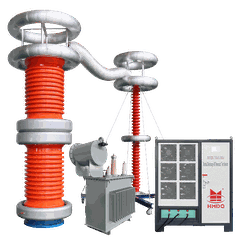


Hey there! As a supplier of Variable Frequency Power Supplies (VFPS), I often get asked whether a VFPS is more expensive than a regular power supply. Well, let's dig into this topic and break it down.
First off, what's the difference between a VFPS and a regular power supply? A regular power supply, also known as a fixed - frequency power supply, provides a constant output frequency. It's like a one - trick pony, doing its job well within a specific, unchanging frequency range. On the other hand, a VFPS is a bit of a superhero. It can adjust its output frequency according to the needs of the equipment it's powering. This flexibility makes it a great fit for a wide variety of applications, from industrial machinery to high - tech research facilities.
Now, to the million - dollar question: is it more expensive? In most cases, yes, a VFPS is pricier than a regular power supply. There are a few reasons for this.
Reasons for the Higher Cost
1. Advanced Technology
VFPSs are built with more advanced technology. They need sophisticated control circuits to be able to vary the output frequency accurately. These circuits involve high - precision components and complex algorithms. For example, the microcontrollers used in VFPSs are designed to handle multiple tasks simultaneously, such as monitoring the output frequency, adjusting the voltage, and ensuring stable power delivery. Developing and manufacturing these advanced components comes at a cost, which is then reflected in the price of the VFPS.
2. Flexibility and Customization
As I mentioned earlier, VFPSs offer a high degree of flexibility. They can be customized to meet the specific requirements of different applications. Some customers might need a VFPS that can operate within a very narrow frequency range, while others might require a wider range. This customization means that the manufacturer has to invest more time and resources in the design and production process. For instance, if a customer needs a VFPS with a unique output frequency profile, the manufacturer might have to develop a special firmware and test it thoroughly before it can be shipped. All these additional steps add to the overall cost.
3. Quality and Performance
VFPSs are generally built to a higher standard of quality and performance. They are designed to provide a stable and reliable power supply, even under challenging conditions. This means using better - quality materials and more rigorous testing procedures. For example, the capacitors and inductors used in VFPSs are often of a higher grade than those in regular power supplies. These components are more resistant to heat, humidity, and electrical interference, which helps to ensure the long - term reliability of the VFPS. The testing procedures for VFPSs are also more comprehensive, including tests for frequency accuracy, voltage regulation, and electromagnetic compatibility. All these factors contribute to the higher cost of VFPSs.
Applications Justifying the Cost
Even though VFPSs are more expensive, there are many applications where the cost is well - justified.
1. Industrial Automation
In industrial automation, machines often need to operate at different speeds and frequencies. A VFPS can provide the variable power required to control these machines effectively. For example, in a manufacturing plant, a conveyor belt might need to run at different speeds depending on the production requirements. A VFPS can adjust the power supply to the motor driving the conveyor belt, allowing it to operate at the optimal speed. This not only improves the efficiency of the production process but also reduces energy consumption. In the long run, the savings in energy costs and increased productivity can offset the higher initial cost of the VFPS.
2. Research and Development
In research and development, scientists and engineers often need to test equipment under different power conditions. A VFPS can provide the flexibility to simulate these conditions accurately. For example, in a laboratory, a researcher might be testing a new electronic device that needs to operate at different frequencies. A VFPS can be used to provide the variable power supply required for the testing. This allows the researcher to gather more accurate data and develop better - performing products. The value of the research and the potential for innovation can far outweigh the cost of the VFPS.


3. High - Voltage Testing
In high - voltage testing applications, such as Compensation Capacitor Of Resonant Test Set, AC Resonant Test System for CVT, and AC Resonant Test Set, a VFPS is essential. These applications require a precise and variable power supply to ensure accurate testing results. A VFPS can provide the necessary variable frequency and voltage to meet the requirements of these tests. The safety and accuracy of high - voltage testing are of utmost importance, and a VFPS can help to achieve these goals.
Making the Decision
So, when it comes to deciding between a VFPS and a regular power supply, it all boils down to your specific needs. If you only need a simple, fixed - frequency power supply for a basic application, then a regular power supply might be the more cost - effective choice. However, if you have an application that requires variable frequency, flexibility, and high - quality performance, then a VFPS is definitely worth considering.
As a VFPS supplier, I understand that cost is an important factor for our customers. That's why we strive to offer the best - quality VFPSs at competitive prices. We also provide excellent customer service and technical support to ensure that our customers get the most out of their VFPSs.
If you're interested in learning more about our Variable Frequency Power Supplies or have any questions about whether a VFPS is the right choice for your application, I'd love to hear from you. Contact us to start a discussion about your specific requirements, and let's see how we can help you find the perfect power solution.
References
- "Power Electronics: Converters, Applications, and Design" by Ned Mohan, Tore M. Undeland, and William P. Robbins.
- "Variable Frequency Drives: Selection, Application, and Troubleshooting" by D. W. Hart.


