



As a supplier of the GTU PD AC Hipot Test System, I often receive inquiries about its power consumption. Understanding the power consumption of this system is crucial for both cost - effectiveness and operational planning. In this blog, I will delve into the factors that influence the power consumption of the GTU PD AC Hipot Test System and provide a comprehensive analysis.
Understanding the GTU PD AC Hipot Test System
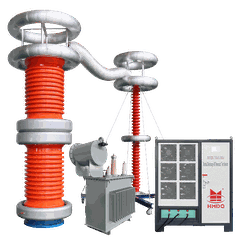
The GTU PD AC Hipot Test System is a specialized piece of equipment designed for high - voltage testing. It is used to detect insulation weaknesses and partial discharges in electrical components and systems. The system is able to generate high - voltage AC signals to simulate real - world operating conditions and evaluate the performance of the tested objects.
One of the key components of the GTU PD AC Hipot Test System is the high - voltage generator. This generator is responsible for producing the high - voltage output required for the test. The power consumption of the system is mainly determined by the power requirements of the high - voltage generator and other associated components such as control units, sensors, and display devices.
Factors Affecting Power Consumption
- Output Voltage and Current
The power consumption of the GTU PD AC Hipot Test System is directly related to the output voltage and current. According to the power formula (P = VI) (where (P) is power, (V) is voltage, and (I) is current), as the output voltage and current increase, the power consumption of the system also increases. For example, if the system is set to a higher voltage level to test a more robust electrical component, more power is needed to generate the required high - voltage output. - Test Duration
The length of the test also has a significant impact on power consumption. A longer test duration means that the system is operating for a longer period, consuming more power. In some cases, the test may need to be conducted for several hours to ensure the reliability of the tested object. During this time, the system continuously draws power to maintain the high - voltage output. - Efficiency of the System
The efficiency of the GTU PD AC Hipot Test System plays an important role in power consumption. A more efficient system will convert a higher percentage of the input power into useful high - voltage output, resulting in lower power consumption. Modern GTU PD AC Hipot Test Systems are designed with advanced technologies to improve efficiency, such as using high - quality transformers and power electronics.
Measuring Power Consumption
To accurately measure the power consumption of the GTU PD AC Hipot Test System, a power meter can be used. The power meter is connected to the system's power input and measures the real - time power consumption. By recording the power consumption data during different test scenarios, we can analyze the power consumption pattern and identify areas for improvement.
In general, the power consumption of the GTU PD AC Hipot Test System can vary depending on the specific model and configuration. For example, the High Voltage GTU AC Hipot Tester may have different power consumption characteristics compared to other models. The power consumption also depends on the load being tested. A heavier load may require more power to maintain the high - voltage output.
Comparison with Other High - Voltage Testing Equipment
When comparing the power consumption of the GTU PD AC Hipot Test System with other high - voltage testing equipment, such as the High Voltage AC Withstand Tester, we can find that the GTU PD AC Hipot Test System is designed to be more energy - efficient in many cases. This is because it is equipped with advanced power management technologies and optimized circuit designs.


However, it is important to note that the power consumption also needs to be considered in the context of the test requirements. If a more accurate and comprehensive test is required, the power consumption may be relatively higher. But the benefits of a reliable test result often outweigh the additional power cost.
Impact of Power Consumption on Operational Costs
The power consumption of the GTU PD AC Hipot Test System has a direct impact on operational costs. Higher power consumption means higher electricity bills. For companies that conduct a large number of high - voltage tests, these costs can add up over time. Therefore, it is essential to optimize the power consumption of the system to reduce operational costs.
One way to reduce power consumption is to use the system in an energy - efficient mode. Some GTU PD AC Hipot Test Systems are equipped with energy - saving features, such as automatic shutdown after a certain period of inactivity or adjustable power output based on the test requirements.
Future Developments in Power Consumption
As technology continues to advance, we can expect to see further improvements in the power consumption of the GTU PD AC Hipot Test System. New materials and circuit designs may be used to increase the efficiency of the high - voltage generator and other components. Additionally, the integration of smart control systems can optimize the power consumption based on real - time test conditions.
Conclusion
In conclusion, the power consumption of the GTU PD AC Hipot Test System is influenced by multiple factors, including output voltage and current, test duration, and system efficiency. By understanding these factors, we can better manage the power consumption of the system and reduce operational costs.
If you are interested in our GTU PD AC Hipot Test System and would like to discuss procurement details, feel free to reach out. We are committed to providing high - quality products and excellent service.
References
- Electrical Engineering Handbook, Third Edition, CRC Press
- Power Electronics: Converters, Applications, and Design, Third Edition, John Wiley & Sons


