

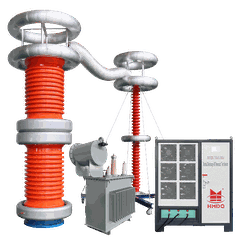



What is the shock and vibration resistance of a vlf hipot tester?
In the realm of electrical testing, VLF (Very Low Frequency) hipot testers play a crucial role in ensuring the safety and reliability of electrical equipment. These testers are designed to apply a high voltage at a very low frequency to detect insulation weaknesses in cables, motors, and other electrical components. One of the key factors that determine the performance and durability of a VLF hipot tester is its shock and vibration resistance.
Understanding Shock and Vibration Resistance
Shock resistance refers to the ability of a VLF hipot tester to withstand sudden impacts or jolts without suffering damage or malfunction. Vibration resistance, on the other hand, pertains to the tester's capacity to operate effectively in environments where it is exposed to continuous or intermittent vibrations. Both shock and vibration can have a significant impact on the internal components of a VLF hipot tester, potentially leading to inaccurate test results, component failure, or even complete equipment breakdown.
Importance of Shock and Vibration Resistance
In real - world applications, VLF hipot testers are often used in various industrial settings, including construction sites, power plants, and manufacturing facilities. These environments are prone to shocks and vibrations due to heavy machinery, transportation, and other factors. A VLF hipot tester with poor shock and vibration resistance may not be able to provide reliable test results, which can compromise the safety and integrity of the electrical systems being tested.
For example, during transportation, a VLF hipot tester may be subjected to rough handling, bumps, and vibrations. If the tester is not designed to withstand these conditions, the internal components such as circuit boards, capacitors, and transformers may become loose or damaged. This can lead to inaccurate voltage readings, erratic test results, or even permanent damage to the tester.
Design Features for Shock and Vibration Resistance
To ensure high shock and vibration resistance, VLF hipot testers are typically designed with several key features.
- Robust Enclosure: The enclosure of a VLF hipot tester is usually made of high - strength materials such as aluminum or rugged plastic. These materials are able to absorb and dissipate the energy from shocks and vibrations, protecting the internal components. For example, an aluminum enclosure provides a good balance of strength and light weight, making it suitable for both portable and stationary VLF hipot testers.
- Internal Mounting and Bracing: Inside the enclosure, the components are carefully mounted and braced to prevent movement during shocks and vibrations. This may involve using shock - absorbing mounts, rubber gaskets, and rigid brackets to secure the circuit boards, transformers, and other critical parts. By minimizing the movement of internal components, the risk of damage due to impact or vibration is significantly reduced.
- Quality Components: Using high - quality components is essential for ensuring shock and vibration resistance. Components such as capacitors, resistors, and connectors are selected for their durability and ability to withstand mechanical stress. For instance, military - grade capacitors are often used in VLF hipot testers because they are designed to operate in harsh environments and can withstand high levels of shock and vibration.
Testing the Shock and Vibration Resistance
Manufacturers of VLF hipot testers conduct rigorous testing to ensure that their products meet the required standards for shock and vibration resistance. These tests typically involve subjecting the testers to simulated shocks and vibrations using specialized equipment.
- Shock Testing: In shock testing, the VLF hipot tester is exposed to a series of sudden impacts of different magnitudes and directions. The tester is then evaluated for any signs of damage or malfunction. For example, the tester may be dropped from a certain height onto a hard surface to simulate a real - world drop during transportation or handling.
- Vibration Testing: Vibration testing involves subjecting the tester to continuous or intermittent vibrations at different frequencies and amplitudes. The tester is monitored for any changes in performance, such as variations in voltage output or test results. This helps to ensure that the tester can operate reliably in environments where it is exposed to vibrations, such as near heavy machinery.
Our VLF Hipot Testers and Their Shock and Vibration Resistance
As a leading supplier of VLF hipot testers, we take pride in the shock and vibration resistance of our products. Our testers are designed with the latest technology and high - quality materials to ensure maximum durability and reliability.
For example, our 30kV Hipot VLF Hipot Tester is built with a rugged aluminum enclosure that provides excellent protection against shocks and vibrations. The internal components are carefully mounted and braced to prevent movement, ensuring accurate test results even in harsh environments.
Our 80kV VLF With Tan Delta Measurement is another product that offers superior shock and vibration resistance. It is designed to withstand the rigors of industrial use, making it suitable for a wide range of applications.
In addition, our 80kV AC VLF Hipot Test Set is engineered with advanced features to enhance its shock and vibration resistance. The high - quality components and robust design ensure that the tester can provide reliable performance in challenging environments.
Conclusion
The shock and vibration resistance of a VLF hipot tester is a critical factor that determines its performance and durability. A tester with high shock and vibration resistance can provide accurate and reliable test results, even in harsh industrial environments. As a supplier of VLF hipot testers, we are committed to providing products that meet the highest standards of shock and vibration resistance.
If you are in the market for a VLF hipot tester and are concerned about shock and vibration resistance, we invite you to contact us for more information. Our team of experts can help you choose the right tester for your specific needs and provide you with detailed information about the shock and vibration resistance of our products. We look forward to the opportunity to work with you and help you ensure the safety and reliability of your electrical systems.


References
- Electrical Testing Handbook: This comprehensive handbook provides in - depth information on various electrical testing methods, including the use of VLF hipot testers. It also covers topics related to the design and performance of electrical testing equipment, including shock and vibration resistance.
- Industry Standards for Electrical Testing Equipment: These standards, such as those set by the International Electrotechnical Commission (IEC), define the requirements for shock and vibration resistance of electrical testing equipment, including VLF hipot testers.
- Manufacturer's Product Documentation: The product documentation provided by VLF hipot tester manufacturers contains detailed information about the shock and vibration resistance of their products, including test results and design features.


