

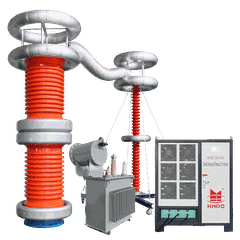


Advanced Intelligent Pipeline Detector: Revolutionizing Infrastructure Inspection
Infrastructure maintenance demands precision, safety, and efficiency-especially for pipeline systems transporting critical resources like oil, natural gas, and water. Traditional inspection methods typically rely on time-consuming manual checks or basic electronic tools, which may overlook subtle defects and require shutdowns for assessment. Smart pipeline inspection devices effectively address these challenges by integrating cutting-edge technologies such as artificial intelligence (AI), IoT connectivity, and advanced sensor systems. This article delves into the core functions and application scenarios of such devices, focusing on their critical role in enhancing system reliability and reducing operational risks.

Key Features of Smart Pipeline Inspection Devices
▶Artificial Intelligence-Supported Data Analysis: Unlike traditional inspection devices, smart versions analyze data in real time using machine learning algorithms. They minimize false alarms and increase diagnostic accuracy by identifying characteristic patterns of corrosion, cracks, or blockages.
▶Non-Destructive Testing (NDT) Capabilities: These devices use ultrasonic, magnetic flux leakage, or electromagnetic technologies to assess pipeline integrity without causing damage. This feature supports continuous monitoring during pipeline operation.
▶Automatic Reporting and Alert Systems: Integrated software generates detailed pipeline health reports and sends instant notifications to operators when anomalies are detected. This proactive approach helps prevent failures and efficiently plan maintenance.
▶Multi-Environment Compatibility: Designed for complex conditions ranging from underground pipelines to subsea systems, these devices are manufactured from robust materials with waterproof properties.
Key Industry Applications
Smart pipeline detectors are widely used in the following fields:
▣ Oil and Gas Industry: Ensuring compliance with safety standards by monitoring corrosion or leaks in pipelines located in remote or hazardous areas.
▣ Water Management Systems: Detecting leaks or sediment buildup within municipal water supply networks.
▣ Industrial Facilities: Assessing the condition of pipelines transporting chemicals or high-temperature liquids.
Conclusion
The smart pipeline detector represents a significant advance in infrastructure technology, integrating artificial intelligence, durability, and user-friendly interfaces to address today's challenges. By providing early fault detection and reducing manual interventions, this technology helps optimize maintenance costs and increase safety across a range of industries. As the technology continues to evolve, such monitoring devices will gradually incorporate new features such as predictive analytics and drone-assisted fault detection, further strengthening their key role in the development of sustainable infrastructure.


