

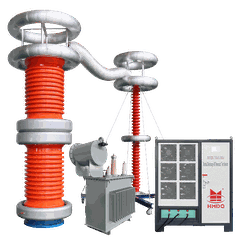



The evolution of insulating oil testing: the introduction of full automation
Introduction
The evaluation of the quality of insulating materials, particularly transformer oil, plays a critical role in ensuring the reliability of electrical power supply systems. Traditional dielectric strength testing methods often involved manual operations, which resulted in variability and potential errors. The development of fully automated devices for testing the dielectric strength of insulating oil represents a significant advance in quality assurance protocols for the maintenance of electrical equipment.

Basic technology: automated testing mechanism
Current single-cup dielectric strength testers use advanced automation technology that simplifies the entire testing process. These systems automatically control the rate of voltage increase, continuously monitor the test samples, and accurately identify failure points without manual intervention. Automation includes several critical functions:
- Intelligent voltage control with programmable rise rates
- Automatic mixing mechanisms for consistent oil sample preparation
- Continuous monitoring of parameters during testing
- Instantaneous fault detection and voltage shutdown
- Self-checking functions for system monitoring
The use of microprocessor-controlled systems enables the precise execution of testing procedures that strictly comply with international standards, ensuring consistent testing conditions and completely eliminating the variability associated with manual operation.
Increased operational efficiency and safety
The transition to fully automated testing has significantly improved operational efficiency. Research shows that automated systems not only significantly reduce testing cycles, but also improve the consistency of results. Automation technology minimizes the need for continuous operator supervision, allowing technicians to focus on interpreting data rather than performing procedures.
Integrated safety features offer additional benefits: an automatic discharge mechanism that activates after a fault quickly dissipates stored energy, while comprehensive protection systems ensure that personnel remain away from high-voltage environments during operation. Safety interlock systems require that all safety conditions be met before testing can begin, fully complying with modern laboratory safety standards.
Application in preventive maintenance programs
Electricity providers and industrial facilities are increasingly integrating automated dielectric strength testing into preventive maintenance strategies. The consistency of automated testing allows for a more reliable analysis of the temporal evolution of the condition of insulating oil. This data-driven approach supports maintenance teams in the following areas:
- Determining accurate reference values for new insulating oils
- Effectively monitoring degradation patterns
- Making informed decisions about oil management or replacement
- Preventing unexpected transformer failures through preventive maintenance
Documented applications demonstrate that regular automated testing can extend transformer life while optimizing maintenance costs. The accurate data generated facilitates condition-based maintenance decisions rather than scheduled maintenance.
Technical Considerations for Optimal Performance
To maximize automated testing system benefits, several technical aspects require attention. Proper electrode maintenance is essential for accurate results, as surface conditions directly influence field distribution. Regular calibration verification ensures measurement traceability. Environmental conditions, particularly temperature and humidity, should be controlled to minimize their impact on test outcomes.
The selection of appropriate test parameters should correspond with specific application requirements. Different voltage increase rates and test sequences may be necessary depending on whether testing serves acceptance criteria for new oil or condition assessment for in-service oil.
Future Developments and Industry Trends
The insulating oil testing sector continues evolving toward greater integration and connectivity. Emerging technologies include cloud-based data storage for historical trend analysis, remote monitoring capabilities, and integration with comprehensive asset management systems. These advancements support the industry's progression toward digital transformation and smart grid implementation.
Conclusion
Fully automatic dielectric strength measurement devices represent a significant advancement in insulation oil quality assessment technology. The automation of test procedures not only increases efficiency and repeatability, but also improves data security and reliability. As electrical systems become increasingly complex and reliability requirements increase, the use of automated testing technology will continue to become more widespread. These systems provide the technical basis for condition-based, effective maintenance strategies that ensure the long-term reliability of basic electrical installations.


