

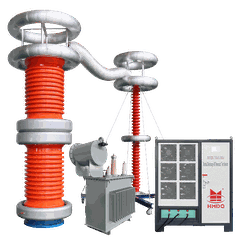



The key role of vacuum oil filtration in modern electrical systems
In the field of high-voltage electrical equipment maintenance, cleaning insulating oil is vital. Impurities such as moisture, gases, and solid particles can reduce dielectric strength, causing equipment failure or reduced performance. Vacuum oil filter systems solve these problems through innovative technologies designed to restore and maintain oil quality. This article examines the basic principles and advantages of vacuum oil filtration and highlights its importance in industrial applications.

How vacuum oil filtration works
Vacuum oil filters operate using a multi-stage purification process:
Dehydration and degassing: Under vacuum conditions, moisture and dissolved gases evaporate from the oil at lower temperatures, preserving the integrity of the oil.
Particle removal: Multi-level filtration captures solid contaminants using precision filters.
Oil circulation: Clean oil is returned to the system, maintaining stable viscosity and chemical stability.
This method ensures thorough cleaning without altering the fundamental properties of the oil, making it ideal for transformers, distribution devices, and other critical applications.
Key benefits of advanced filtration technology
Modern vacuum oil filters feature patented functions that increase their effectiveness:
- Increased dielectric strength: By reducing moisture content to below 10 ppm, filtration restores the insulating properties of the oil, minimizing the risk of failure.
- Energy efficiency: automated control systems optimize the vacuum level and flow rate, reducing energy consumption during operation.
- Compliance with environmental requirements: closed-loop systems prevent oil spills and promote sustainable development by extending the life of the oil.
These innovations comply with IEC 60296 international standards, guaranteeing reliability in a variety of climatic conditions, from tropical humid regions to arid climates.
Applications in various industrial sectors
Oil vacuum filtration is essential:
- Energy production: maintenance of transformer oil in electrical substations.
- Industrial facilities: protection of manufacturing equipment operating on oil-insulated systems.
- Renewable energy: supporting the infrastructure of wind farms and solar power facilities in harsh conditions.
Case studies of projects carried out in Belt and Road partner countries show that regular oil maintenance can reduce unplanned downtime by up to 40%.
Conclusion: investing in long-term reliability
The introduction of vacuum oil filtration is a proactive measure to protect electrical infrastructure. By prioritising oil cleanliness, operators not only increase safety, but also achieve significant cost savings by extending the service life of equipment. As technology advances, integration with IoT-based monitoring systems will continue to revolutionise predictive maintenance strategies.


