

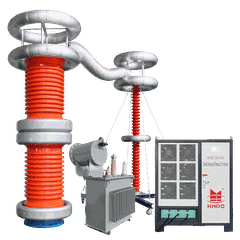


The high voltage AC resonant test system is a critical tool for evaluating the insulation integrity and operational reliability of electrical equipment. By simulating high-voltage conditions, this system helps identify potential failures in transformers, cables, and switchgear, ensuring compliance with industry safety standards.
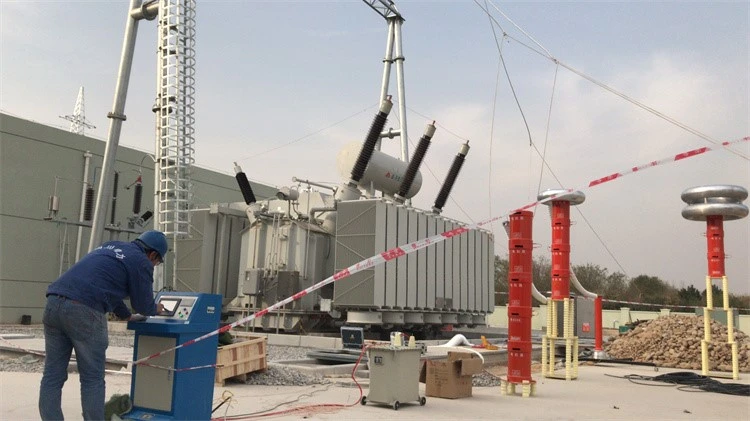
How Does a High Voltage AC Resonant Test System Work?
The system leverages resonant frequency technology to generate controlled high-voltage AC outputs. By matching the inductance of the test object with a variable capacitor, it creates a resonant circuit that minimizes energy loss while delivering precise voltage levels. This method ensures:
Efficient testing with reduced power consumption
Accurate detection of insulation defects
Safe operation through automatic overvoltage protection
Core Advantages of Resonant Testing Technology
Enhanced Safety
Advanced protection mechanisms prevent equipment damage and operator risks during high-voltage tests.
Energy Efficiency
Resonant technology cuts power requirements by up to 80% compared to traditional testing methods.
Wide Compatibility
Supports testing for various equipment, including GIS systems, power cables, and generators.
Key Application Scenarios
Power Utilities: Routine maintenance of substation equipment
Manufacturing: Quality control for high-voltage components
Research Labs: Development of next-generation insulation materials
Maintenance Tips for Optimal Performance
Regularly calibrate voltage and frequency outputs
Keep the system in a dry, temperature-controlled environment
Schedule annual inspections by certified technicians
Future Trends in High-Voltage Testing
The integration of IoT-enabled monitoring and AI-driven diagnostics is transforming resonant test systems. These innovations enable predictive maintenance and real-time data analysis, further improving testing accuracy and operational efficiency.
Why Choose Modern Resonant Test Systems?
Investing in an advanced high voltage AC resonant test system ensures compliance with international standards like IEC 60270 and IEEE 4. Its ability to balance precision, safety, and cost-effectiveness makes it indispensable for industries prioritizing electrical safety and equipment longevity.


