

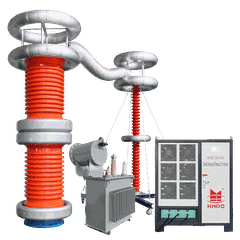


The Hidden Superpower: Frequency Tuning Precision
For engineers battling megavolt insulation tests, HV resonant testing systems are game-changers. But the unsung hero isn't just high voltage-it's intelligent frequency tuning. Here's why this feature makes or breaks your testing process:
**➤ Why Tuning Matters: The Resonance Paradox**
Resonant systems work by matching the test setup's natural frequency to minimize input power. Get this wrong, and you'll face:
Energy waste from oversized generators
Inconsistent test voltages risking "false negative" failures
Thermal runaway in test objects
Modern systems solve this with auto-tracking resonance technology. By continuously adjusting output frequency (within 30–300Hz range), they maintain resonance despite load fluctuations.
**➤ The Safety Multiplier Effect**
When resonance is precisely matched:
Power consumption plummets (up to 90% vs. conventional testers)
Voltage regulation achieves <1% ripple
Overcurrent protection activates milliseconds before catastrophic discharges
A European utility avoided substation explosions during cable testing after switching to resonant systems. The precise frequency control contained internal faults safely.
**➤ ROI Beyond Voltage:**
Test transformers in 15-30 minutes instead of hours
Enable on-site GIS maintenance without multi-megawatt generators
Measure tan δ (dielectric loss) during tests for predictive diagnostics
Conclusion: Beyond High Voltage, Into Smart Voltage
HV resonant testing isn't about brute force-it's about precision control. Frequency tuning transforms these systems from power hogs into diagnostic powerhouses. Whether testing 132kV cables or EHV transformers, optimized resonance means faster approvals, safer grids, and 5X lab productivity.


