




Introduction
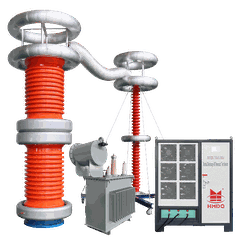
In the ever-evolving environment of electrical infrastructure, the demand for flexible and reliable high-voltage (HV) testing solutions has never been higher. Container-type HV test equipment offers a significant innovation that meets the needs of modern power systems by combining portability, durability and advanced functionality. These systems are designed for use in a variety of environments, from remote substations to international projects, and enable critical diagnostic tasks to be performed efficiently and safely.

Key features of containerised HV test systems
Containerised HV test equipment integrates high-voltage test devices into a standardised, portable container. This design offers several distinct advantages:
1.Mobility and rapid deployment
•The container design allows for transport by road, rail or sea, making it ideal for projects in remote locations or areas with developing infrastructure.
•Units can be pre-configured and tested prior to transport, reducing on-site installation time and minimising operational delays.
2.Environmental protection and durability
•Designed to operate in harsh conditions, these enclosures protect against dust, moisture, and extreme temperatures, ensuring stable operation in difficult conditions.
•The durable construction materials comply with international safety and durability standards.
3.Modular and scalable design
•Container systems can be configured to include various high-voltage test devices, such as AC/DC withstand test devices, partial discharge analyzers, or transformer test systems.
•This modularity allows users to adapt the equipment to specific project requirements, ensuring a cost-effective and versatile solution.
4.Compliance with international standards
•These systems are designed to comply with international standards, including IEC 60060 for high-voltage testing, ensuring reliable and accurate results across different regions and applications.
Applications and use cases
Containerised high-voltage test equipment is widely used in situations where traditional fixed installations are impractical or ineffective. Common applications include:
•Substation commissioning and maintenance:
Mobile test containers enable efficient on-site diagnostics of transformers, circuit breakers, and switchgear, reducing downtime and improving grid reliability.
•International projects and remote sites:
These systems are particularly useful for infrastructure projects in regions with limited access to permanent testing facilities, as they enable development in different geographical areas.
•Emergency response and temporary installations:
In the event of power grid failures or natural disasters, containerised units can be deployed quickly to restore and validate high-voltage equipment, ensuring rapid service restoration.
Advantages for global distribution
The portability and standardisation of high-voltage test systems in containers make these systems highly suitable for international use. These solutions, which integrate advanced technologies and comply with globally recognised standards, facilitate the following:
•Efficient logistics: The standard dimensions of containers simplify transport and handling, reducing shipping costs and complexity.
•Compliance with local regulations: Equipment can be configured to meet regional regulatory requirements, ensuring seamless operation in different markets.
•Knowledge transfer: Container systems often include integrated documentation and training resources, supporting the development of competencies in emerging markets.
Conclusion
With the continuous development of the energy sector, innovations in testing technologies will play a decisive role in ensuring the stability and efficiency of electrical networks worldwide. Containerized solutions represent a step forward in making advanced diagnostic methods more accessible and adaptable to requirements.
