

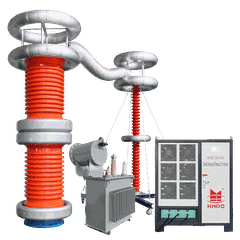


The pricing of high-voltage resonance testing equipment mainly considers key factors and value considerations
High-voltage resonance test systems are important devices in the energy sector, enabling the safe and efficient testing of electrical equipment such as power cables, transformers and gas-insulated switchgear. When assessing the price of these advanced systems, various technical and operational factors come into play that have a significant impact on both the initial investment and long-term value.
Core technology and performance characteristics
- The price structure of resonance testing systems depends mainly on their basic technical characteristics. Systems designed for higher voltage and current values are naturally more expensive because they have more robust components and stricter insulation requirements. The frequency tuning range-typically between 30 and 300 Hz-also affects the complexity and cost of the system. Modern systems with automatic tuning and a wide frequency range generally offer more value, even though their purchase costs may be higher.
- Systems with advanced control technologies, such as digital signal processing and computer control, generally offer better test accuracy and operational safety. While these technological improvements affect the price, they ultimately provide superior test efficiency and data accuracy that justify the investment for serious test applications.
Application-specific configuration requirements
- Different test scenarios require specific configurations, which affect the price of the system. Cable testing applications may require systems with specific voltage stabilisation features, while transformer testing emphasises power output characteristics. The need for portable and fixed installations also leads to significant price differences, as mobile systems require a more compact design and additional protection features.
- Systems designed for international projects, especially in areas with challenging environmental conditions, often have enhanced durability features. These adaptations affect the initial price but ensure reliable performance in a variety of operating environments, from tropical climates to high altitudes.
Quality components and manufacturing standards
The quality of the components used in resonance test systems has a major impact on both performance and price. High-quality materials in the resonance reactor, high-voltage transformer and control systems contribute to better heat management, greater efficiency and longer service life. Systems manufactured to international standards typically undergo more rigorous quality control processes, which is reflected in their pricing structure but ensures greater operational reliability.
Advanced manufacturing techniques, including computer-aided design and automated testing procedures, contribute to system consistency and accurate performance. These production methods increase manufacturing costs but result in equipment that provides accurate and repeatable test results - critical factors for high-voltage testing applications.
Operational efficiency and total cost of ownership
Although the initial price is an important factor, the total cost of ownership provides a more comprehensive basis for assessment. Systems with higher energy efficiency ratings may have higher initial costs, but offer significant savings through reduced energy consumption during long-term test operations. Modern systems with optimised designs typically require less maintenance and offer better operating economics throughout their lifetime.
The integration of safety and protection features contributes to the initial price but reduces potential downtime and maintenance costs. Systems with comprehensive protection mechanisms – including overvoltage, overcurrent and thermal protection – ensure equipment safety and test reliability.
Making informed investment decisions
When evaluating the prices of resonance testing systems, specialists must consider the specific requirements of their testing applications, the expected workload, and long-term operational needs. Systems that offer the right technical specifications for the intended applications, combined with robust architecture and advanced features, typically provide the best value despite differences in initial prices.
The selection process should prioritise technical suitability, operational reliability and safety features rather than focusing solely on initial cost considerations. Equipment that complies with international testing standards and incorporates the latest technological advances ultimately delivers superior performance and a better return on investment.
For organisations involved in the testing and maintenance of high-voltage equipment, investing inresonance testing systems is a strategic decision that impacts test accuracy, operational reliability, and overall project efficiency. By understanding the factors that influence pricing and focusing on a comprehensive value analysis, professionals can make informed decisions that support their technical requirements and operational goals.
Welcome to follow our company for the latest industry news. If you are interested in any products, please feel free to contact us at any time.


