

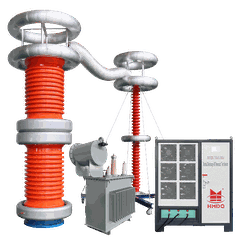



Are there any environmental requirements for using a DC high voltage generator?
As a supplier of DC high voltage generators, I often receive inquiries from customers about the environmental requirements for using these devices. In this blog post, I will delve into the environmental factors that can affect the performance and safety of DC high voltage generators and provide some guidance on how to ensure optimal operation.
Temperature and Humidity
One of the most critical environmental factors for DC high voltage generators is temperature. Extreme temperatures can have a significant impact on the performance and lifespan of the generator. High temperatures can cause the insulation materials to degrade, leading to increased leakage current and potential breakdown. On the other hand, low temperatures can make the insulation materials brittle, increasing the risk of mechanical damage.
Most DC high voltage generators are designed to operate within a specific temperature range, typically between -20°C to 50°C. It is essential to ensure that the operating environment stays within this range to prevent any adverse effects on the generator. If the temperature exceeds the recommended range, additional cooling or heating measures may be required.
Humidity is another important factor to consider. High humidity can cause condensation on the generator's components, which can lead to electrical short circuits and corrosion. It is recommended to keep the relative humidity below 85% to prevent these issues. In areas with high humidity, dehumidifiers can be used to maintain a suitable environment.
Altitude
Altitude can also affect the performance of DC high voltage generators. As the altitude increases, the air density decreases, which can lead to a reduction in the dielectric strength of the air. This means that the generator may experience more frequent electrical discharges at higher altitudes.
Most DC high voltage generators are designed for operation at sea level or up to a certain altitude. If you plan to use the generator at a high altitude, it is important to check the manufacturer's specifications to ensure that it is suitable for the intended altitude. In some cases, additional insulation or ventilation may be required to compensate for the reduced air density.


Dust and Contamination
Dust and other contaminants can accumulate on the generator's components, which can affect its performance and reliability. Dust can act as an insulator, increasing the risk of electrical arcing and overheating. It can also clog the ventilation system, reducing the cooling efficiency of the generator.
To prevent dust and contamination, it is important to keep the generator in a clean and dust-free environment. Regular cleaning and maintenance of the generator's components can help to remove any accumulated dust and debris. Additionally, using air filters and enclosures can help to protect the generator from external contaminants.
Electromagnetic Interference (EMI)
DC high voltage generators can generate electromagnetic interference (EMI), which can affect the performance of other electronic devices in the vicinity. EMI can cause interference with communication systems, control circuits, and other sensitive equipment.
To minimize the impact of EMI, it is important to use proper shielding and grounding techniques. The generator should be installed in a shielded enclosure to prevent the emission of electromagnetic radiation. Additionally, all electrical connections should be properly grounded to reduce the risk of electrical interference.
Safety Considerations
In addition to the environmental factors mentioned above, it is also important to consider the safety requirements for using a DC high voltage generator. High voltage can be extremely dangerous, and proper safety precautions must be taken to prevent accidents and injuries.
Before using a DC high voltage generator, it is important to read and understand the manufacturer's instructions and safety guidelines. The generator should be operated by trained personnel who are familiar with the proper procedures and safety precautions. Additionally, appropriate personal protective equipment (PPE) should be worn, such as gloves, safety glasses, and insulated clothing.
Conclusion
In conclusion, there are several environmental requirements that need to be considered when using a DC high voltage generator. Temperature, humidity, altitude, dust, and electromagnetic interference can all affect the performance and safety of the generator. By ensuring that the operating environment meets the recommended specifications and taking appropriate safety precautions, you can ensure the optimal performance and reliability of your DC high voltage generator.
If you are in the market for a DC high voltage generator, we offer a wide range of products to meet your needs. Our DC Hipot Generator is designed to provide reliable and accurate high voltage testing. We also offer other high voltage testing equipment, such as the AC Power Frequency Withstand Voltage Tester and the Insulating Mat Withstand Voltage Test Bench.
If you have any questions or would like to discuss your specific requirements, please feel free to contact us. We are here to help you find the right solution for your high voltage testing needs.
References
- Manufacturer's instructions and safety guidelines for DC high voltage generators.
- Industry standards and regulations for high voltage testing equipment.


