

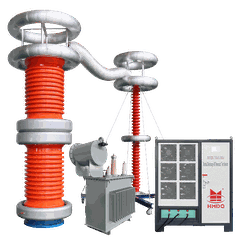


As a supplier of Automatic Power Frequency Testers, I often get asked whether our testers can be used in a noisy electrical environment. This is a crucial question for many industries, especially those dealing with high - voltage equipment and power generation. In this blog, I'll delve into the details of using an Automatic Power Frequency Tester in such challenging conditions.
Understanding the Automatic Power Frequency Tester
Before discussing its performance in a noisy environment, let's briefly understand what an Automatic Power Frequency Tester is. An Automatic Power Frequency Tester is a specialized device used to measure the power frequency of electrical systems. It is commonly employed in various applications, such as testing generators, transformers, and other high - voltage equipment. This tester can accurately measure the frequency of the alternating current (AC) in the system, which is essential for ensuring the proper functioning and safety of electrical devices.
The main advantage of an automatic tester is its ability to perform measurements quickly and accurately without the need for manual intervention. It can display the measured frequency on a digital screen, and some advanced models can even store the data for further analysis.
Characteristics of a Noisy Electrical Environment
A noisy electrical environment is characterized by the presence of electromagnetic interference (EMI) and radio - frequency interference (RFI). These interferences can be caused by a variety of sources, such as electrical motors, power converters, and lightning strikes. In a power generation plant, for example, large generators and transformers can generate significant amounts of EMI.
The interference in a noisy electrical environment can manifest in different ways. It can cause fluctuations in the measured frequency, introduce errors in the readings, and even damage the testing equipment if it is not properly protected.
Can an Automatic Power Frequency Tester Work in a Noisy Environment?
The answer is yes, but with certain considerations. Our Automatic Power Frequency Testers are designed with advanced shielding and filtering technologies to minimize the impact of EMI and RFI. These technologies help to isolate the testing circuit from the external interference sources, ensuring that the measured frequency is as accurate as possible.
Shielding
Shielding is an important feature of our testers. The housing of the tester is made of materials that can block electromagnetic waves. For example, we use metal enclosures that act as a Faraday cage, preventing the external EMI from entering the internal circuitry of the tester. This shielding not only protects the internal components but also helps to maintain the integrity of the electrical signals being measured.
Filtering
Filtering is another key technology used in our Automatic Power Frequency Testers. The internal circuitry is equipped with high - performance filters that can remove the unwanted frequencies caused by interference. These filters are designed to pass only the frequencies within the power frequency range (usually 50Hz or 60Hz), effectively eliminating the noise from the measurement.
However, it's important to note that there are limits to the shielding and filtering capabilities. In extremely noisy environments, such as those close to large electrical motors or high - power transmitters, the interference may still be strong enough to affect the accuracy of the measurements.
Case Studies
Let's look at some real - world examples to illustrate the performance of our Automatic Power Frequency Testers in noisy electrical environments.
Power Generation Plant
In a large power generation plant, there are numerous generators and transformers operating simultaneously, creating a highly noisy electrical environment. Our testers were installed to measure the power frequency of the generators. Despite the high levels of EMI, the testers were able to provide accurate and stable frequency measurements. The shielding and filtering technologies effectively reduced the impact of the interference, allowing the operators to monitor the power frequency in real - time and ensure the stable operation of the generators.
Industrial Manufacturing Facility
In an industrial manufacturing facility, there are many electrical machines and equipment that generate EMI. Our Generator Power Frequency Tester was used to test the power frequency of the on - site generators. The tester was able to work reliably in this noisy environment, providing accurate frequency readings. This helped the facility managers to detect any potential issues with the generators and take timely maintenance actions.
Factors Affecting Performance in Noisy Environments
Although our Automatic Power Frequency Testers are designed to work in noisy environments, there are several factors that can affect their performance.
Distance from Interference Sources
The closer the tester is to the interference source, the stronger the interference it will receive. For example, if the tester is placed right next to a large electrical motor, the EMI from the motor can significantly affect the measurement accuracy. It is recommended to keep the tester at a safe distance from the interference sources to minimize the impact.
Type of Interference
Different types of interference have different characteristics and frequencies. Some types of interference, such as high - frequency RFI, may be more difficult to filter out than low - frequency EMI. Our testers are designed to handle a wide range of interference frequencies, but in some cases, additional measures may be required to deal with specific types of interference.
Environmental Conditions
Environmental conditions, such as temperature and humidity, can also affect the performance of the tester. High temperatures can cause the internal components to overheat, which may affect the accuracy of the measurements. Humidity can also cause corrosion of the internal circuitry, leading to malfunctions. Therefore, it is important to ensure that the tester is used in a suitable environmental condition.
Precautions and Best Practices
To ensure the accurate and reliable operation of our Automatic Power Frequency Testers in a noisy electrical environment, the following precautions and best practices should be followed:
Proper Installation
The tester should be installed in a location that is away from strong interference sources. It should be mounted on a stable surface to avoid vibrations, which can also affect the measurement accuracy.
Grounding
Proper grounding is essential for reducing the impact of EMI. The tester should be connected to a good quality ground to provide a path for the interference current to flow safely to the ground.
Regular Maintenance
Regular maintenance of the tester is necessary to ensure its long - term performance. This includes cleaning the internal and external components, checking the integrity of the shielding and filtering components, and calibrating the tester periodically.
Conclusion
In conclusion, our Automatic Power Frequency Testers can be used in a noisy electrical environment. Thanks to the advanced shielding and filtering technologies, they are able to provide accurate and reliable frequency measurements even in the presence of significant EMI and RFI. However, it is important to consider the factors that can affect the performance and follow the best practices to ensure the optimal operation of the testers.


If you are in need of a high - quality Automatic Power Frequency Tester for your noisy electrical environment, we are here to help. Our AC Test Transformer - Dry Type also offers excellent performance and can be used in conjunction with our testers. Feel free to contact us for more information and to discuss your specific requirements. We look forward to the opportunity to serve you and assist in your procurement process.
References
- "Electromagnetic Compatibility in Electrical Systems", IEEE Press
- "Power Frequency Measurement Techniques", International Journal of Electrical Engineering Research


