

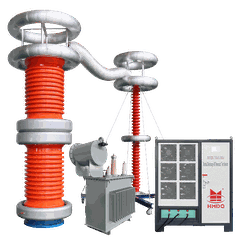



As a trusted supplier of AC Test Transformers, I understand the significance of proper storage to maintain the performance and longevity of these valuable pieces of equipment. In this blog, I'll share some essential guidelines on how to store a AC Test Transformer properly.
Understanding the AC Test Transformer
Before delving into storage methods, it's crucial to have a basic understanding of the AC Test Transformer. These transformers are designed to generate high - voltage alternating current for testing electrical equipment such as cables, switchgear, and insulators. They typically consist of a cylindrical housing that encloses the core and windings, which are the key components responsible for voltage transformation.
Importance of Proper Storage
Proper storage of a AC Test Transformer is vital for several reasons. Firstly, it helps to prevent damage to the internal components. Moisture, dust, and extreme temperatures can all have a detrimental effect on the insulation and electrical properties of the transformer. Secondly, correct storage ensures that the transformer is ready for use when needed, reducing downtime and maintenance costs.
Ideal Storage Conditions
Temperature
The temperature of the storage area plays a significant role in the preservation of the AC Test Transformer. The ideal temperature range for storage is between 5°C and 40°C. Temperatures outside this range can cause the insulation materials to expand or contract, leading to cracks and reduced insulation resistance. In cold temperatures, the oil inside the transformer may thicken, affecting its ability to dissipate heat effectively. On the other hand, high temperatures can accelerate the aging process of the insulation.
Humidity
Humidity is another critical factor. The relative humidity in the storage area should be kept below 70%. High humidity can lead to the formation of condensation on the transformer's surface, which can penetrate the insulation and cause short - circuits. To control humidity, you can use dehumidifiers in the storage room.


Ventilation
Good ventilation is essential to prevent the build - up of heat and moisture. The storage area should have proper air circulation to remove any hot air and moisture generated within the transformer. This can be achieved by installing fans or vents in the storage room.
Storage Location
Indoor Storage
Indoor storage is highly recommended for AC Test Transformers. An indoor environment provides protection from the elements such as rain, snow, and direct sunlight. A clean, dry, and well - ventilated warehouse or storage facility is an ideal location. Make sure the storage area is free from any sources of vibration, as excessive vibration can damage the internal components of the transformer.
Avoiding Contaminants
The storage area should be free from dust, dirt, and chemical contaminants. Dust can accumulate on the transformer's surface and in the ventilation channels, reducing its cooling efficiency. Chemical contaminants, such as acids or solvents, can corrode the metal parts and damage the insulation.
Storage Preparation
Cleaning
Before storing the AC Test Transformer, it should be thoroughly cleaned. Use a soft, dry cloth to remove any dust or dirt from the surface. For stubborn dirt, a mild cleaning solution can be used, but make sure to dry the transformer completely after cleaning.
Inspection
Conduct a detailed inspection of the transformer before storage. Check for any signs of damage, such as cracks in the housing, loose connections, or damaged insulation. If any issues are found, they should be addressed before storage.
Disconnecting
Disconnect all electrical connections from the transformer. This includes the input and output cables, as well as any control wires. This helps to prevent electrical shorts during storage and also makes it easier to move and handle the transformer.
Storage Methods
Vertical Storage
Storing the AC Test Transformer in a vertical position is generally recommended. This allows the oil inside the transformer to settle properly and helps to prevent the formation of air pockets. When storing vertically, make sure the transformer is placed on a stable and level surface to prevent it from tipping over.
Protection
Use a protective cover to shield the transformer from dust and moisture. The cover should be made of a durable, waterproof material. Additionally, if the transformer has any exposed terminals, they should be covered with insulating caps to prevent accidental contact.
Regular Maintenance During Storage
Even when the AC Test Transformer is in storage, it requires regular maintenance. Inspect the transformer at least once every three months. Check the oil level, if applicable, and make sure there are no signs of leakage. Also, monitor the temperature and humidity of the storage area to ensure they remain within the ideal range.
Related Products
If you are also interested in other high - voltage testing equipment, we offer a wide range of products. For example, our Oil Type Transformer Hipot Tester 10 - 100kVA is a reliable tool for testing oil - type transformers. Our DC Hipot Test Set is suitable for performing direct - current high - potential tests, and the 200kV AC DC Digital Voltage Hipot Meter provides accurate voltage measurement.
Contact for Purchase
If you are in the market for a AC Test Transformer or any of our other high - voltage testing equipment, we invite you to contact us for a detailed discussion. Our team of experts is ready to assist you in finding the right product for your specific needs.
References
- Electrical Equipment Maintenance Handbook
- Standards for High - Voltage Test Transformers


